Editor’s Note
This article explores the unconventional journey of Leibish Polnauer, who transitioned from film studies to becoming a successful diamond dealer, blending his visual sensibilities with entrepreneurial acumen.
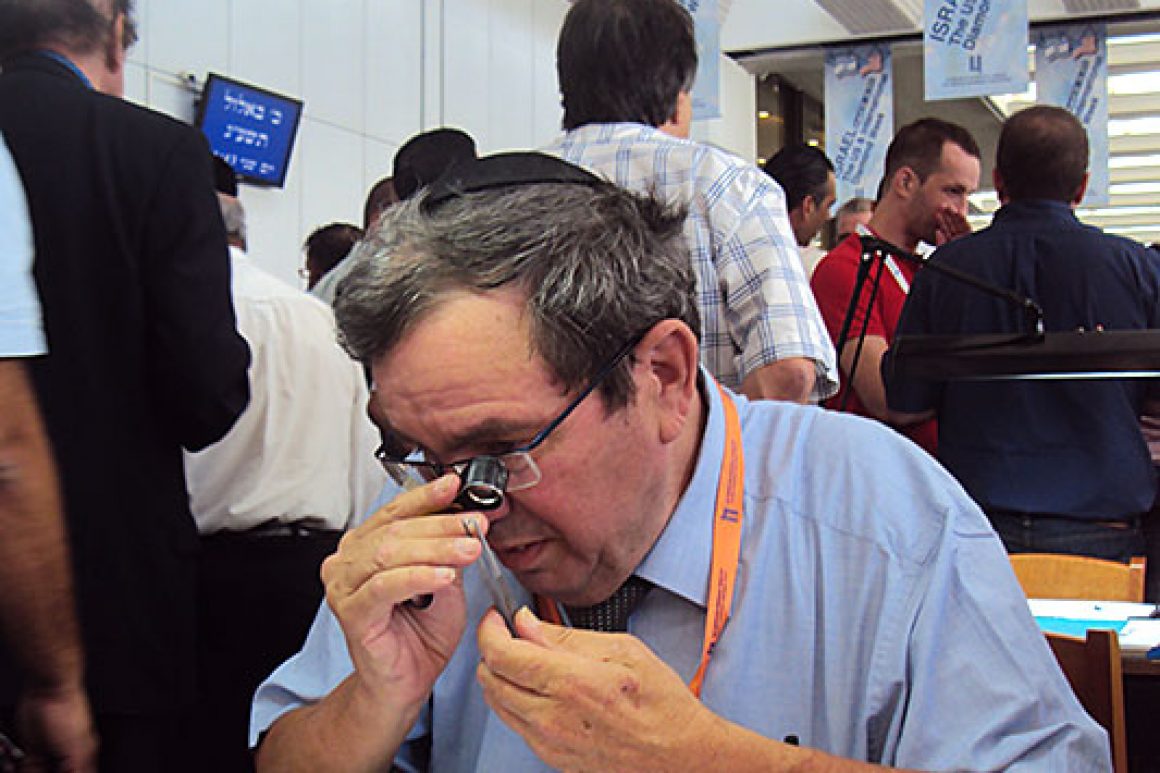
Leibish Polnauer’s path to becoming a renowned diamond dealer is not the usual one. In the 1970s, the Hungarian-born Polnauer first studied at the Munich Film School before moving to Israel and getting married. It was there that he discovered his passion for diamonds – “perhaps due to my preference for visual things,” as he says. With annual sales of around $16 million and 35 employees, he is one of the medium-sized entrepreneurs in the industry. His business premises – like those of the other resident companies – are housed in one of the four skyscrapers that belong to the exchange.
Leibish Polnauer makes slow progress on his way to his office. The reason is not only the densely packed people in the hall; the small man with the straw hat also has to shake hands and exchange pleasantances every few moments. He is walking through the Trading Floor, the heart of the world’s second-largest diamond exchange in Ramat Gan near Tel Aviv.
In this huge hall, not only do the approximately 3000 exchange members from Israel meet, but often diamond dealers from all over the world as well. They buy and sell cut, uncut, and colored diamonds. Polnauer is one of them. He founded “Leibish Company – Fancy Color Diamonds” more than 30 years ago and has built a reputation as an expert in rare colored stones.
All four buildings are connected and form their own cosmos: doctors practice here, hairdressers cut hair, there are restaurants for every taste, travel agencies, and much more. Anyone who doesn’t want to doesn’t have to leave the diamond city. For security reasons, the approximately 15,000 employees are simply not allowed to during working hours.
The controls are meticulous. Not only is a passport required, but fingerprints are also taken. Without a special card, which is scanned together with a finger at every door, one cannot get far inside the building either.
In the Trading Hall, simple tables are set up in long rows. There, the dealers sit with a loupe around their neck, the tweezers always within reach to examine the stones. It depends on weight (carat), color, cut, and clarity. The loupes are standardized so that, for example, everyone has the same conditions regarding clarity. At many tables, Yiddish is spoken; many ultra-Orthodox Jews are seen. They have been connected to the diamond trade for centuries. The stones were easily transportable in case of recurring pogroms – if necessary, in a piece of folded paper in a trouser pocket. This transport system has been preserved to this day. Even the most valuable pieces are wrapped in paper – the so-called “briefken.” Penciled on it is the number of stones contained, as well as carat and color.
The way of concluding a deal has also been preserved:
Translated, this means “luck and blessing,” and even the Indian, Chinese, and Russian dealers who dominate the world market today preserve this piece of history.
Despite globalization, the diamond business is a very personal one, based on trust.
And such things get around quickly.
So-called blood diamonds also violate ethics and morals – this is what stones are called whose proceeds financed civil wars in the classic mining areas in Africa. The diamond industry fell into disrepute and therefore established the Kimberley Process in 2003 in cooperation with human rights groups, a kind of certification system to combat illegal diamond trade. Israel was one of the first of a total of 80 countries to join.
However, diamonds mined under inhuman conditions, exploitation, disregard for human rights, and brutality, such as in Zimbabwe, have not yet been included in the charter. This has led to massive criticism and the withdrawal of various human rights groups from the Kimberley Process. Eli Izhakoff, until recently president of the global umbrella organization World Diamond Council (WDC), does not see this quite so negatively. Much has already been achieved –
As a marketplace, Israel has long established itself; the severe crisis two years ago has also been overcome. Demand in countries like China and India has increased:
The situation is still different in the European market, which is considered difficult due to the economic crisis.
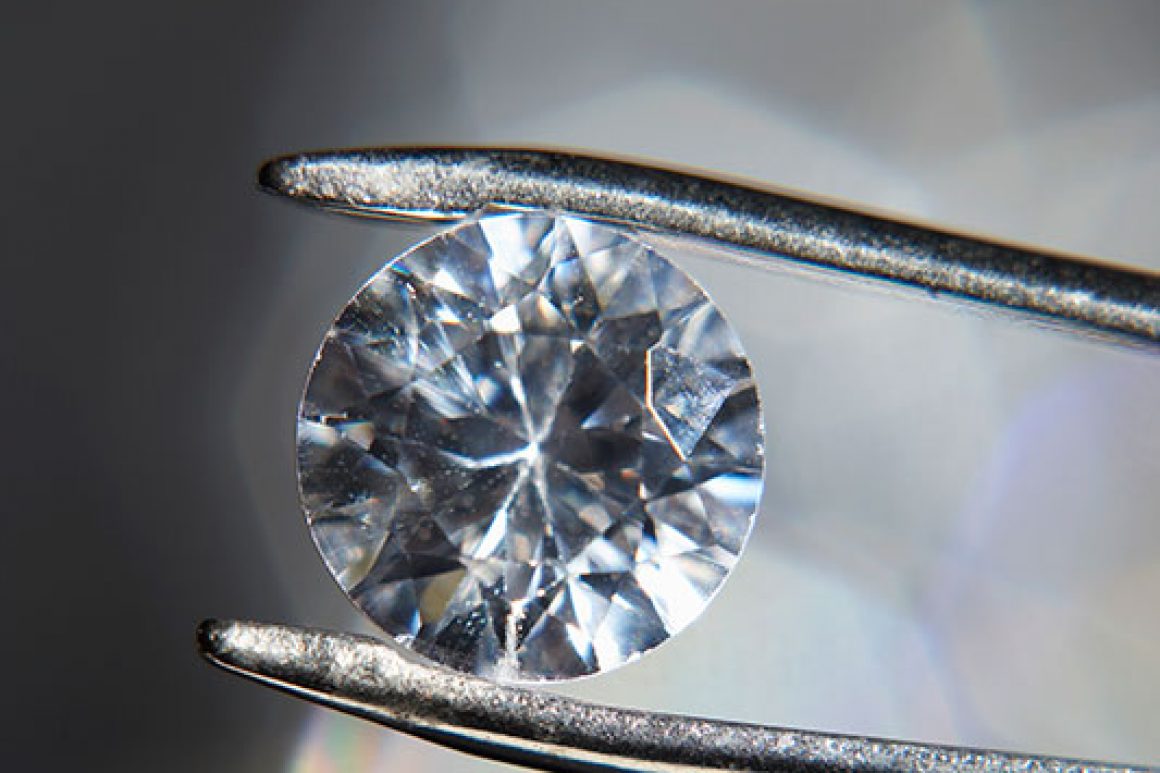
And something else is troubling diamond dealers there: love. It is fading, which the industry attributes to the dramatic decline in weddings in Europe – by almost half since the 1970s – and the rise in divorces. One of the most successful advertising strategies has therefore become a boomerang: transient love doesn’t need a diamond.