Editor’s Note
As vintage styles enjoy a resurgence, designer David Gotlib looks ahead to expanding his brand in 2026, marking a decade of crafting heirloom-worthy jewelry.

Brooches are back. Antique diamonds are all the rage. With trends like these making certain styles cool again, it’s an amazing time to work in jewelry for David Gotlib, a designer of cufflinks that evoke a sense of history and are worthy of keeping for generations.
Gotlib says he is expanding his eponymous brand in 2026, and is ready for the adventure. As he celebrates 10 years for his business, he wants more people to experience his Antwerp atelier—lifting the curtain on his work for his clients and giving others in the industry a place to gather and share ideas.
A lifelong jeweler, Gotlib is known for his devotion to cufflinks—it’s the only thing David Gotlib makes. His uses 18k gold, natural diamonds, and vibrant colored gemstones. And he’s not going to alter what he does just because, say, a certain pop singer has suddenly made antique diamonds popular.
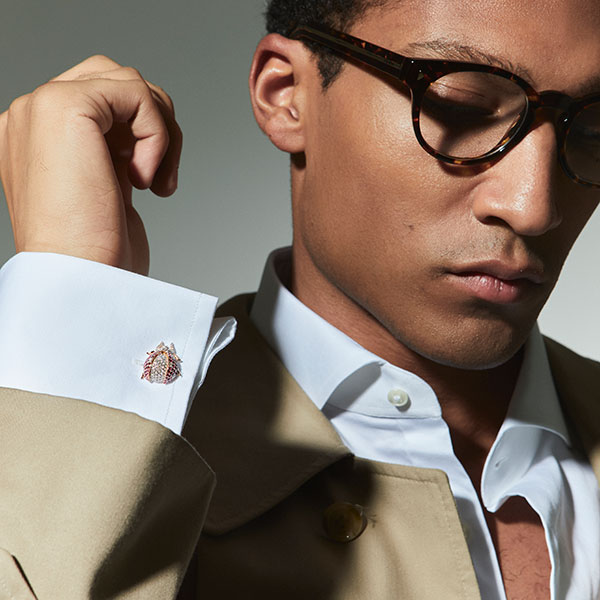
David Gotlib is president of the Antwerp Diamond Bourse and a former president of the Antwerp World Diamond Centre.
Gotlib was inspired to start his jewelry label by an heirloom pair of cufflinks—ones that his grandfather had worn regularly for more than three decades. Gotlib’s grandmother gave them to him on the occasion of Gotlib’s eldest son’s bar mitzvah. The gift still resonates with him.
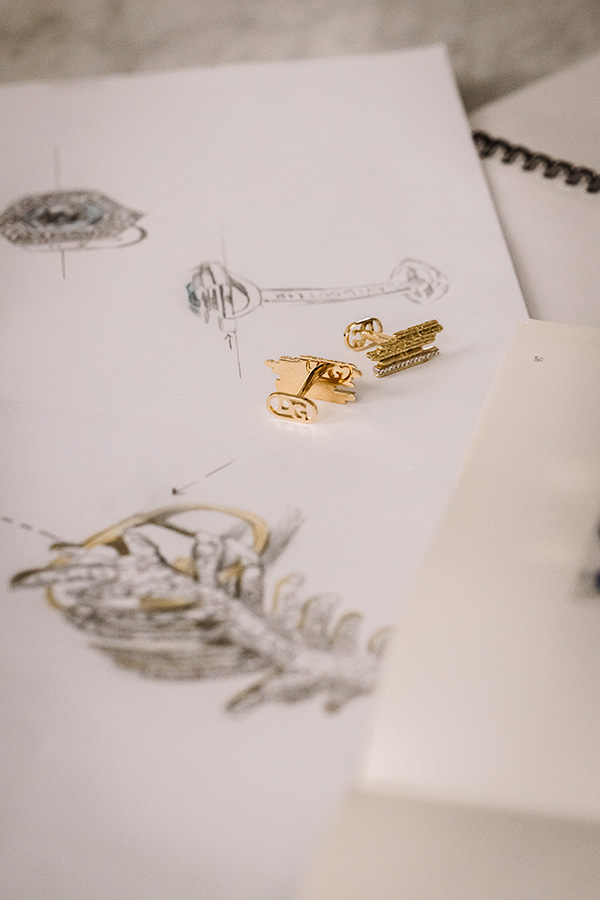
As Gotlib releases new collections—which he hopes to do in 2026—all his cufflinks fit within a larger world of the brand. His early pieces were about line, symmetry, engineering, and discipline. He wanted to master structure before he allowed himself to break it, he says.
Then he created Chroma, and color became a part of his design world. Gotlib added the Astor and Metropole styles last year. Today his work balances two impulses: the rigor of form and the freedom of expression.
He notes that on the Chameleon Red cufflinks, which are one of his favorite sets, the color of the rhodolite center stones changes subtly as the light shifts—so even cufflinks someone might wear for years can still surprise them.