Editor’s Note
This article highlights a critical juncture for the global luxury market. Based on a recent Bain & Company report, it examines the sector’s potential for its most significant setbacks in 15 years, driven by economic turbulence and shifting market dynamics.

Turbulence will be the new baseline for luxury as it faces its biggest potential setbacks in 15 years, a recent report said.
New York—The global luxury sector is facing a downturn as it battles economic turbulence and market disruptions, Bain & Company said in its latest report on the luxury market, released last month in collaboration with Altagamma.
The sector is up against its “biggest potential setbacks for at least 15 years,” said the report, citing economic issues as well as societal and cultural shifts.
It is facing its first slowdown since the financial crisis of 2008/2009, excluding the COVID-19 pandemic.
According to the report, the personal luxury goods segment posted a post-pandemic rebound of €369 billion ($435 billion) in 2023 while sales were down 1 percent (flat when adjusted for currency fluctuations) to €364 billion ($429 billion) last year.
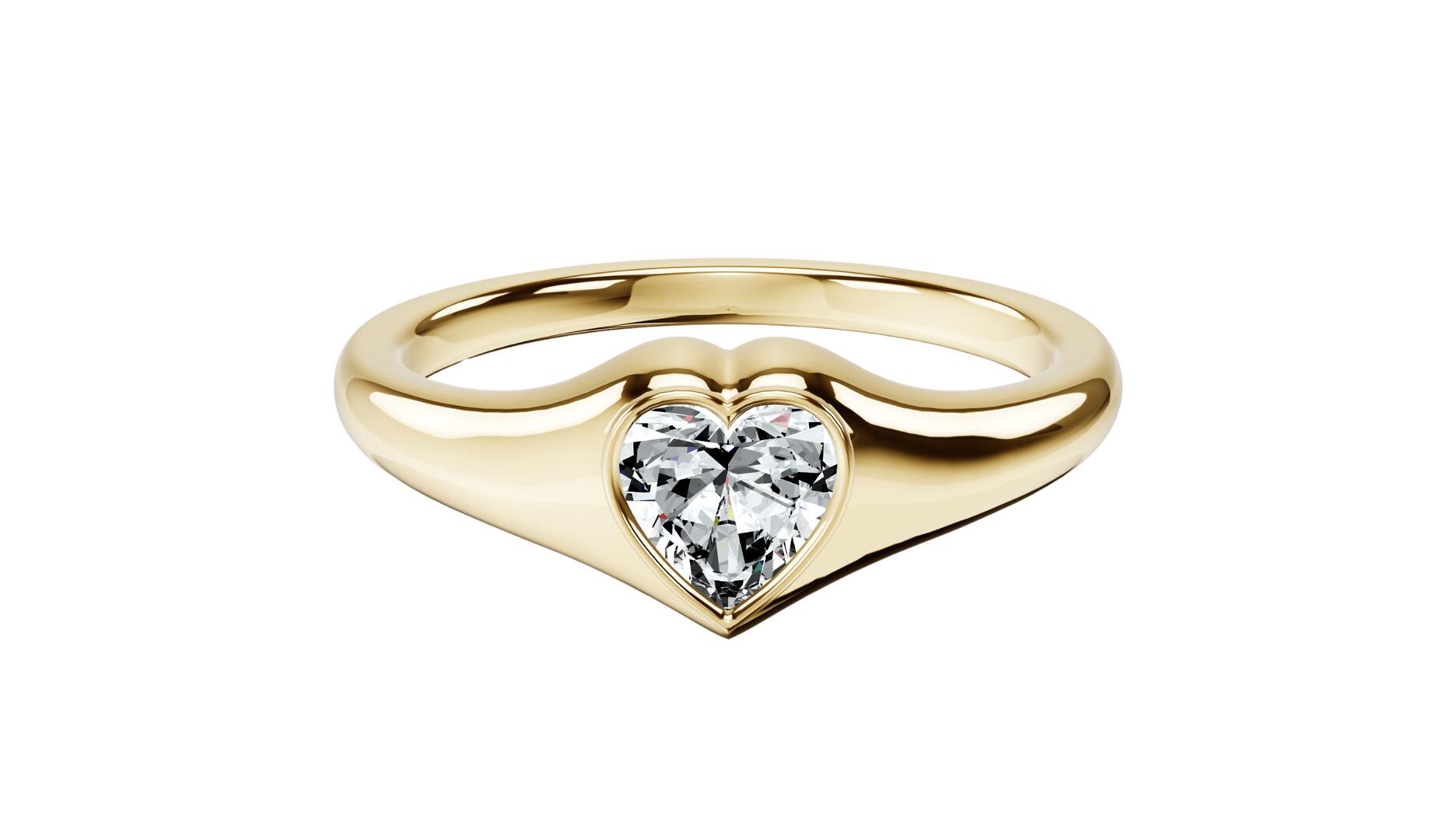
For some luxury brands, the slowdown has continued into the first quarter of this year, with jewelry the shining exception.
Luxury conglomerate LVMH, which owns Louis Vuitton and Tiffany & Co., among others, reported that Q1 revenue was down 2 percent, though sales were up in its jewelry and watch division.
Similarly, Kering saw sales sink in Q1 amid Gucci’s ongoing struggles while sales for its jewelry brands, which include Pomellato and Boucheron, grew.
However, armed with strong fundamentals and a resilient spirit, the luxury market’s long-term prospects remain bright, it said.
Here are five key takeaways from the report.
Demand for luxury goods has softened in the United States and China.
There is a growing polarization in the luxury market, said the report, noting varying performances in different parts of the world.
In the U.S. and in mainland China, the two most important luxury markets, the report noted a period of softened demand due to “economic turbulence.”
In the U.S., tariffs have led to volatility, which is affecting the market and consumers’ willingness to spend.
In China, the middle-class consumers are in “wait-and-see” mode, said Bain.
In China, there’s a small but growing consumer interest in “new” local luxury brands.
As for other markets, Europe and Japan have been hurt by weakening tourism but local demand has somewhat offset the decline.
Notably, European consumers have continued to show an interest in jewelry and ready-to-wear clothing, especially in destination locations and for value-driven formats.
The luxury market remains strong in the Middle East, Latin America, and parts of Southeast Asia.
While spending habits vary by generation, brand engagement is down across the board.
The growing polarization noted above also applies to different generations of consumers.

Gen Z consumers are “split between a perceived need for self-expression and a desire for conformity.”
Financial pressures have made millennials more cautious, but they are responding to “fresh brand engagement,” said the report.
Older consumers, meanwhile, value meaningful experiences over goods.
Across all demographics, however, brand engagement has declined since 2022, the report said.
Brand-related searches are down for more than 40 percent of the brands, said Bain, while social media follower growth sank 90 percent.
Engagement rates are down by 40 percent, which the report attributes to “price fatigue and stagnant creativity.”
Claudia D’Arpizio, a partner at Bain & Co., encouraged brands to focus on their strengths and to prioritize quality, creativity, and authenticity.
The divergence continues across product categories.
Jewelry remains strong, as it did last year, alongside apparel and eyewear, with “uber-luxury” items and those in the aspirational segment posting positive performances.
Watches, leather goods, and footwear are facing headwinds, “unless backed by true innovation,” according to the report.