Editor’s Note
This article explores a notable trend in China’s financial landscape, where a demographic often overlooked by traditional markets—middle-aged and older women, colloquially known as ‘aunties’—is driving a significant surge in precious metals investment. Their collective action, fueled by a blend of cultural tradition, risk aversion, and a search for tangible assets, offers a compelling case study in grassroots financial behavior and its impact on global commodity markets.
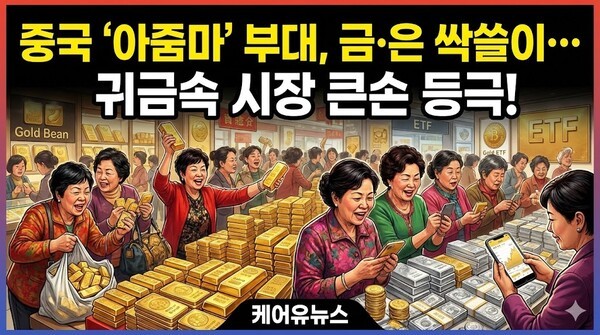
A middle-aged Chinese woman encountered at a precious metals market in Beijing is purchasing gold due to anxiety about the recent economic situation and global affairs. She is browsing gold bracelets, necklaces, and rings for herself and relatives ahead of the upcoming Lunar New Year (Spring Festival), having steadily accumulated thousands of dollars worth of gold over the past few years.
At the center of the storm currently shaking global precious metals markets are individual Chinese investors like Ms. Tian.
According to data from the World Gold Council, Chinese investors purchased approximately 432 metric tons of gold bars and coins in 2025. This represents a sharp 28% increase compared to the previous year and is a massive scale, accounting for nearly one-third of the world’s total gold purchases last year.
The reason for their enthusiasm for gold is the lack of suitable investment alternatives in China. The real estate market is in a prolonged slump, the domestic stock market is too volatile, and bank deposit interest rates remain very low. Consequently, from shrewd middle-aged female investors known as ‘Dama’ to Generation Z, many Chinese are flocking to gold as a safe store of value. The Wall Street Journal reported this on February 9 (local time).
The investment methods have also become very convenient. Many are easily purchasing gold ETFs through smartphone apps like WeChat or Alipay, as if ordering coffee, leading to record inflows into gold ETFs in China last year. Simultaneously, the preference for physical gold remains strong, with scenes of people lining up to buy 1-gram ‘gold beans’ sold in glass bottles.
Of course, there have been crises. On January 30, when President Donald Trump nominated Kevin Warsh as the next Federal Reserve Chair, the US dollar strengthened, causing gold and silver prices to plummet, recording their largest single-day drop in decades. During this process, individual investors who bought at the peak complained of their losses on social media, saying they were “cut down like chives.”
Nevertheless, Chinese investors’ love for precious metals continues unabated. As the recent gold price correction period began, gold bar sales have actually regained momentum, and some investors are turning their attention to silver, which they judge to have greater upside potential than gold. Some investors have already started hoarding silver, showing an optimistic attitude that they can withstand a slight price drop.