Editor’s Note
In a significant shift within the luxury sector, Chanel has overtaken Louis Vuitton as the world’s most valuable brand. This article examines the “ultra-high-price strategy” behind this change and how leading brands are reinforcing their exclusive appeal.
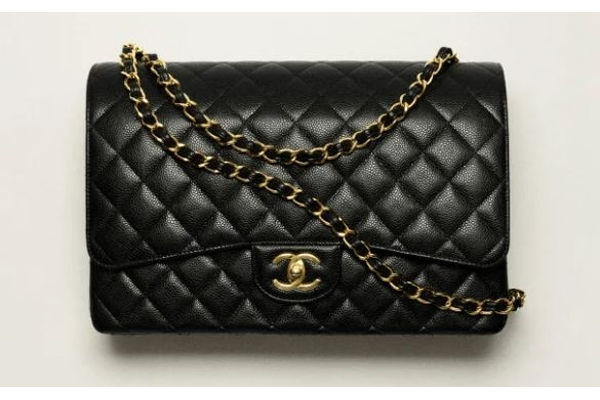
A tectonic shift has occurred in the luxury goods industry as Louis Vuitton, which had consistently held the top spot, lost its crown. With Chanel’s strategy proving effective, a trend of price hikes continues among major luxury brands. Consequently, changes are inevitable in the calculations of the domestic distribution industry, which has relied on luxury goods as a growth engine.
According to a report by Brand Finance, a UK-based brand valuation consultancy, on the 15th, Chanel recorded a brand value of $37.9 billion in 2024, leaping from 3rd to 1st place in the fashion sector. With a 45% increase compared to the previous year, it ascended to the top of the global luxury brand fashion sector.
Louis Vuitton, the ‘immovable No. 1’, followed with $32.9 billion, falling to 2nd place in the fashion sector and 3rd place overall in the luxury sector. Hermès ($19.9 billion) and Dior ($17.3 billion) followed.
The industry analyzes Chanel’s advance as a ‘victory of the ultra-high-price strategy’. Since the COVID-19 pandemic, Chanel has raised prices multiple times, with some product prices more than doubling compared to 2019. However, demand has grown even stronger, with open runs continuing.
As this ultra-high-price strategy proves effective, luxury brands are also emphasizing their own premium and embarking on price hikes. Chanel Korea announced on the 13th that it will raise the price of the Classic Maxi Handbag from 18.92 million won to 20.33 million won, a 7.5% increase.
The Classic 11.12 bag was raised from 16.66 million won to 17.90 million won (7.4%), and the Boy Chanel Small Flap Bag also increased from 9.86 million won to 10.60 million won (7.5%). Chanel also raised prices for some products sold domestically in January and June of last year.
Luxury watchmaker Rolex raised the price of the Submariner Oyster 41mm to 15.54 million won (5.7% increase) and the Land-Dweller 40 to 25.31 million won (6.9% increase) effective from the 1st of this month. Rolex also raised product prices in January and July of last year, respectively.
Hermès raised the retail prices of some bags and accessories at domestic stores starting from the 5th. For the popular ‘Picotin’ bag, the price rose from 5.17 million won to 5.45 million won, a 5.4% increase.
Additionally, Tiffany & Co., the jewelry brand under the LVMH group, has also decided to raise prices of products sold in Korea by 5-10% starting from the 26th of next month.
While luxury brands cite reasons such as rising raw material prices and increased manufacturing costs for the price hikes, the relevant industry interprets it as a strategy to enhance scarcity and premium image rather than cost burden.
As the luxury industry shifts its strategy to focus on loyal customers, it is expected to have a significant impact on the domestic distribution industry. This is because department stores and others that have promoted luxury goods have successfully managed their performance despite the triple whammy of high prices, high interest rates, high exchange rates, and a consumption slump.