Editor’s Note
This article examines the shifting dynamics of the global gold trade, contrasting the established dominance of Switzerland with the ambitious, high-profile rise of the United Arab Emirates as a new challenger.

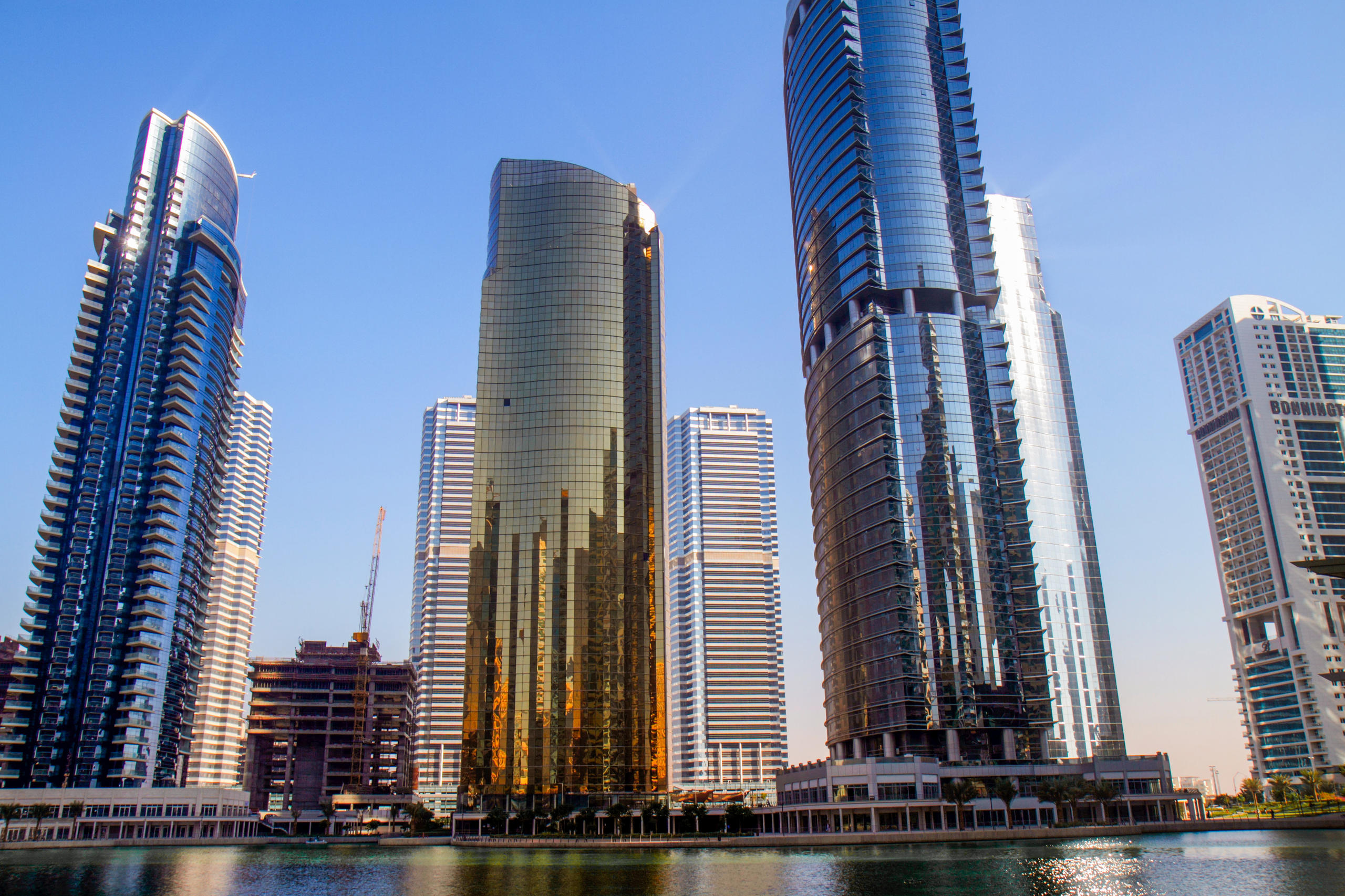
In Dubai, gold is omnipresent. It glitters in the shop windows of the historic Old Souk; the modern skyscrapers on the desert city’s skyline pay homage to the precious metal with their gleaming facades. In stark contrast to Switzerland’s understated conservatism, the United Arab Emirates (UAE) boldly promotes its status as an emerging hub for gold trade.
Switzerland, located in the heart of Europe, has dominated the global gold industry for decades thanks to its refining capacity and trading volumes. However, the UAE, situated at the crossroads of the West and the increasingly affluent East, is challenging Switzerland’s dominance. These two vastly different countries are intricately linked, and the competition is intensifying.
The UAE, particularly Dubai, is rising as an international gold trading center. Since 2012, the UAE has attracted global players by leveraging its strategic location, modern infrastructure, and business-friendly policies. While Switzerland boasts a well-established financial system and a regulated market, the UAE offers a dynamic and innovative environment. Sanctions against Russia following the war in Ukraine have also benefited the shift of gold trade to Dubai.
How significant is the threat posed by the UAE to Switzerland?
says Australian gold expert Marcena Hunter.
Switzerland primarily sources gold from industrial mines worldwide, while the UAE sources more from small-scale mining operations in sub-Saharan Africa, Latin America, and South Asia. By value, Switzerland has been the world’s leading gold importer and exporter, but the rapid growth of the UAE’s gold industry has propelled it into the top five.
Nevertheless, Switzerland remains the preferred choice for those seeking precision and reliability in gold transactions. Swiss banks and refiners claim adherence to strict regulations and place increasing emphasis on the ethical sourcing of gold. Members of the Association of Swiss Precious Metal Producers and Traders (ASFCMP) have ceased sourcing gold from Dubai. Last year, Valcambi, Switzerland’s largest refiner, left the association due to irreconcilable differences over responsible gold sourcing. The association, which coordinates communication and lobbying for the Swiss gold industry, has long prided itself on its code of conduct.
The Financial Action Task Force (FATF), the global watchdog for anti-money laundering and combating the financing of terrorism, officially placed the UAE on its “grey list” of jurisdictions requiring enhanced monitoring in June 2022, citing strategic deficiencies. The UAE’s gold industry has drawn attention for facilitating problematic transactions.

says Christoph Wild, former CEO of Swiss refiner Argor-Heraeus and president of the ASFCMP.
Wild adds:
Others note that while the UAE remains a destination for undocumented mined gold, it is working to strengthen its regulatory framework. Hunter, who leads the extractives portfolio at the Global Initiative Against Transnational Organized Crime, points out:
In fact, gold is the UAE’s main export to Switzerland. Experts say problematic gold, whether from conflict zones in Africa or gold seeking to circumvent Western sanctions on Russia, can easily flow into Switzerland via the UAE.
Dubai hosted the 11th annual Precious Metals Conference in November, bringing together numerous players from the gold industry, from regulators and experts to bankers, traders, refiners, and even individuals like Alain Goetz, who is under EU sanctions for trading conflict gold from the Democratic Republic of Congo.
Russian representatives were present in such numbers they had their own dedicated table. They discussed headaches like export tariffs and sanctions with current and potential Chinese partners. While speakers talked about due diligence, others explored potential business deals, including for Sudanese gold linked to conflict financing. The event painted Dubai as the center of a gold trade that is growing and shifting eastward.
The Dubai Multi Commodities Centre (DMCC), a free trade zone, has been crucial to the UAE’s rise in the global gold market. It hosts major refiners including Emirates Gold. Emirates Gold’s new Swiss CEO, Daniele Provenzale, who attended the conference but declined an interview request, was reportedly shocked when the company was suspended as a London Bullion Market Association (LBMA) and UAE Good Delivery refiner over money laundering concerns.

In 2021, the UAE issued a set of Good Delivery standards, rules governing gold settlement and trade. It requires annual audits of gold industry participants to ensure compliance with anti-money laundering and responsible sourcing regulations.
Lars Johansson, an independent consultant with Swiss firm Secure Supply Chains and a regular at the precious metals conference, predicts:
Andrew Naylor, head of the Middle East region and public policy at the World Gold Council, acknowledges the potential danger to Switzerland’s dominance but does not see it as a zero-sum game, as the two countries serve different segments of the market. He notes:
The Arab nation’s gold industry has come a long way since Swiss citizen Mohamad Shakarchi founded Emirates Gold, a refiner and mint, in Dubai in 1992. While Switzerland is home to five of the world’s largest and most important gold refiners, the UAE has twice as many gold refiners, albeit much smaller in scale. In 2022, the UAE signed a trade agreement with India, the world’s second-largest consumer of gold jewelry after China and a key client for Swiss refiners.
But Naylor points out that Switzerland retains competitive advantages in other areas. Switzerland is a major gold custody center, offering vaulting services for high-net-worth individuals and institutions, an area where the UAE does not compete. Both countries have relatively small over-the-counter trading markets.
Dubai is also absent from the gold investment sphere. Globally, exchange-traded funds (ETFs) hold over 3,000 tonnes of gold. About half of this is held by US-listed ETFs. London follows with 600 tonnes, Germany and Switzerland each hold around 340 tonnes, while the UAE does not even rank in the top 20.
The UAE’s efforts to strengthen regulation have been recognized by the FATF. Many industry insiders also note that gold is gold, and a market will always exist for so-called “dirty gold.” However, Switzerland is also tightening regulations and relying on its reputation to maintain a competitive edge over the UAE and other refining centers.
Louis Marechal, an extractives expert and OECD advisor, told SWI swissinfo.ch: