Editor’s Note
This article explores the timeless allure of natural diamonds, examining their geological rarity, inherent qualities, and enduring status as symbols of prestige in high jewelry.
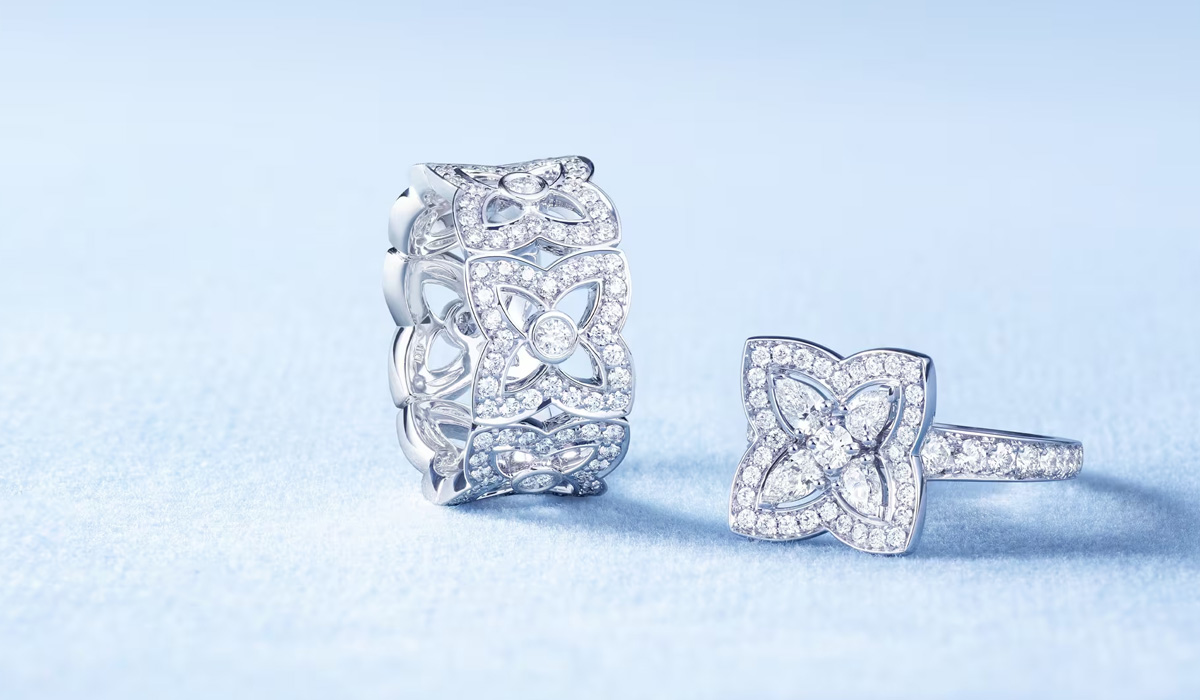
Formed billions of years ago in the Earth’s core, natural diamonds remain one of the world’s rarest and most coveted materials. Their brilliance, unparalleled hardness, unique structural characteristics, and historical aura make them stones imbued with emotion and prestige. Major houses like Cartier, Van Cleef & Arpels, Harry Winston, Chopard, or Boucheron have built their legacies around exceptional natural diamonds, worn by iconic figures such as Grace Kelly, Elizabeth Taylor, Marilyn Monroe, or more recently, Rihanna.
A natural diamond is not just a gem; it is a witness to time. Giving or receiving a natural diamond means inscribing a story for the ages, passing down a memory, affirming a (timeless) promise.
However, this precious stone is also the product of a complex industrial model. The extraction of natural diamonds raises numerous ethical and environmental questions: working conditions in some African mines, impact on local ecosystems, traceability challenges, carbon footprint… Criticisms that tarnish its image, particularly among younger generations.
From the jeweler’s point of view, natural diamonds retain an unmatched prestige. Their rarity, brilliance, and unique inclusions make them exceptional precious stones, the result of geological processes from time immemorial. In the workshops of major houses, natural diamonds continue to be cut, set, and polished with an almost spiritual rigor.
But concurrently, younger brands like Oscar Massin, VRAI, or JEM are redefining jewelry creation around lab-grown stones. Luxury is no longer defined by the stone itself, but by the message it carries: a “clean,” sustainable, traceable stone with reduced impact. These houses do not pit tradition against modernity; they reconcile them in a contemporary gesture, adapted to today’s sensibilities.
The historical leader of the diamond market, De Beers remains one of the most influential players in the sector. With mining operations in South Africa, Botswana, Namibia, and Canada, the company controls a significant portion of the global supply. Through its commercial channels like “Sightholders” (privileged traders), De Beers sells parcels of rough diamonds at regular intervals. The brand has also developed its own consumer-facing label, De Beers Jewellers, as well as Forevermark, dedicated to traceability and ethics. Concurrently, it invests in blockchain-based traceability tools with its Tracr platform to meet new market expectations.
ALROSA is the leading diamond producer in Russia and one of the largest in the world by volume. Its activities are concentrated in the remote regions of Yakutia, Siberia, where it operates mines rich in high-quality diamonds. Long discreet on the Western stage, ALROSA has established itself as a key supplier for Asia and the Middle East. Since the conflict in Ukraine, its access to Western markets has been restricted. Nevertheless, the company continues to play a leading role in the industry, with a vertically integrated supply chain and regular sales of rough diamonds to authorized traders.
Rio Tinto is a major Anglo-Australian mining group, known for its expertise in natural resource extraction. Its subsidiary Rio Tinto Diamonds made history with the Argyle mine in Australia, famous for its rare pink, red, and violet diamonds. Although this mine closed in 2020, the company remains active through its stakes in Canadian mines (notably Diavik). Rio Tinto emphasizes responsible sourcing and transparency, with initiatives such as the “Chain of Custody” program guaranteeing diamond traceability from mine to end customer.
Petra Diamonds is a recognized South African player, specializing in exceptional diamonds. It notably operates the legendary Cullinan mine, famous for producing some of the largest diamonds ever discovered, several of which are now part of the British Crown Jewels. Petra sells its stones through international auctions. Its strategy is based on valorizing unique diamonds, intended for collectors and high jewelry houses, and on commitments to sustainable development in mining communities.