Editor’s Note
Gold has surged past the $4,700 mark, setting a new record. This article examines the key drivers behind the rally, including renewed trade tensions and shifting expectations for U.S. monetary policy.
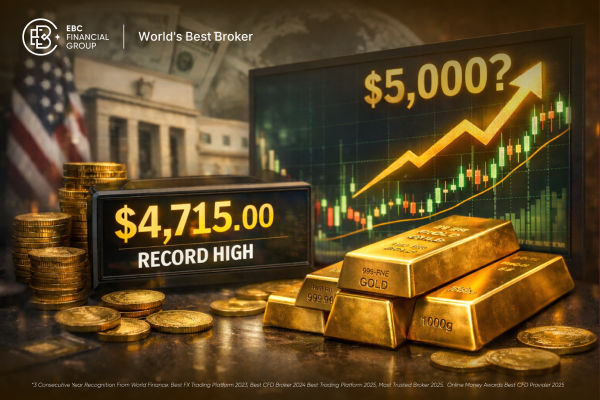
Gold prices have breached another key psychological level. On January 20, 2026, the spot gold price reached above $4,700 for the first time, hitting a new all-time high of approximately $4,715 per ounce.
This rally has a clear narrative: the threat of trade wars has re-emerged, markets are uneasy about political pressure on the US Federal Reserve, and investors are still hoping for a potential path towards easier monetary policy.
The next question everyone asks at new highs is: Can gold reach $5,000 soon? The direct answer is yes, it’s possible, but the path won’t be easy. Some major banks have already indicated the possibility of the $5,000 level, while also warning of the real risk of a sharp price decline if the economic scenario improves.
Importantly, Citi Research has set a $5,000 price target for gold over the next three months, citing geopolitical tensions expected to remain elevated in the near future.
JP Morgan Global Research has also published the view that gold prices are expected to reach $5,000 by the fourth quarter of 2026, with central bank and investor demand listed as key supporting factors.
1) Trade War Risk Pushing Investors Towards Safe Havens
The most immediate cause is the increasing risk-off sentiment linked to tariff threats and rising tensions between the US and Europe. Due to trade war concerns and a weakening US dollar, investors are turning to gold as a safe haven.
2) Concerns Over the Federal Reserve Are Increasing the Trust Premium
Another significant factor in gold’s recent surge was pressure on the Federal Reserve, including legal actions targeting Fed leadership, which raised concerns about the central bank’s independence.
3) Interest Rate Cut Expectations Remain Positive
Despite recent volatility, market expectations for eventual Fed rate cuts have not completely disappeared. The anticipation of lower real interest rates in the future continues to support gold prices, as gold does not yield interest and becomes more attractive when the opportunity cost of holding it decreases.
