Editor’s Note
This article highlights a unique, FAO-recognized agricultural model in China that modernizes pearl production through a sustainable, symbiotic ecosystem.
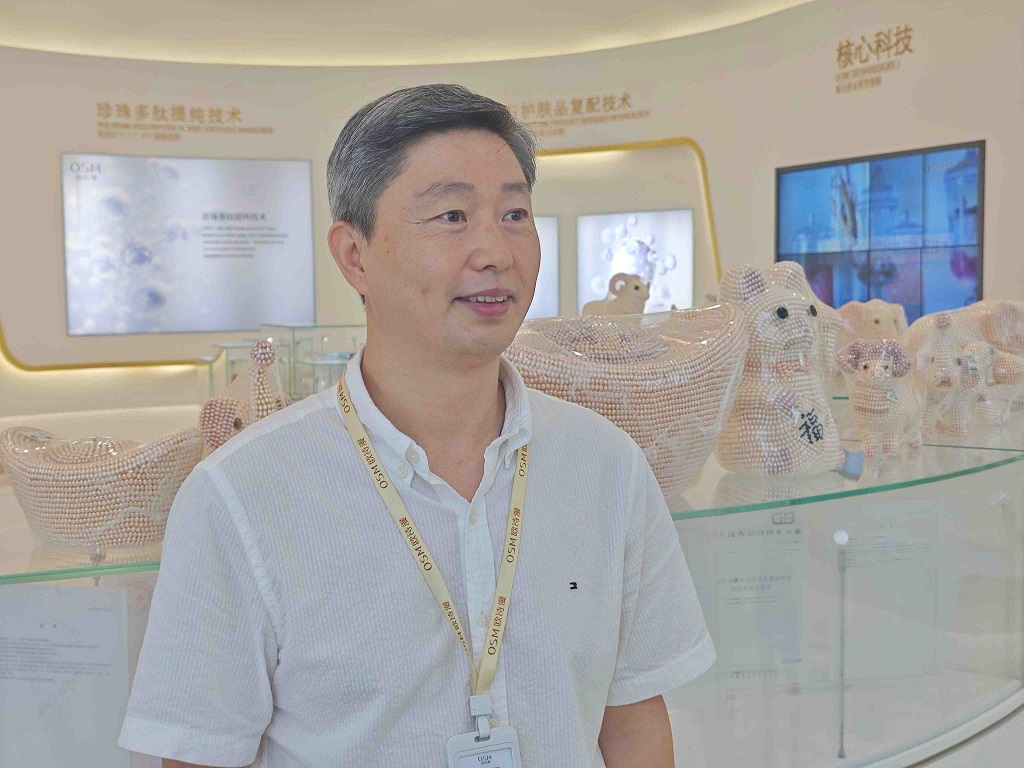
Deqing, China, Aug 10 (Prensa Latina) – China’s Zhejiang province is currently promoting the expansion and modernization of the freshwater pearl production chain, which is used in the jewelry, cosmetics, and nutritional supplement industries.
In this regard, the Deqing Freshwater Pearl Mussel Integrated Farming System, registered as a Globally Important Agricultural Heritage System (GIAHS) by the FAO, presents a unique model that leverages the natural symbiotic relationship between fish and mussels.
In statements to Prensa Latina, Yang Anquan, executive director of the Chinese company OSM, commented that this system is based on the local pearl cultivation technique historically developed in the region over the past 800 years, but incorporates a high dose of scientific innovation.
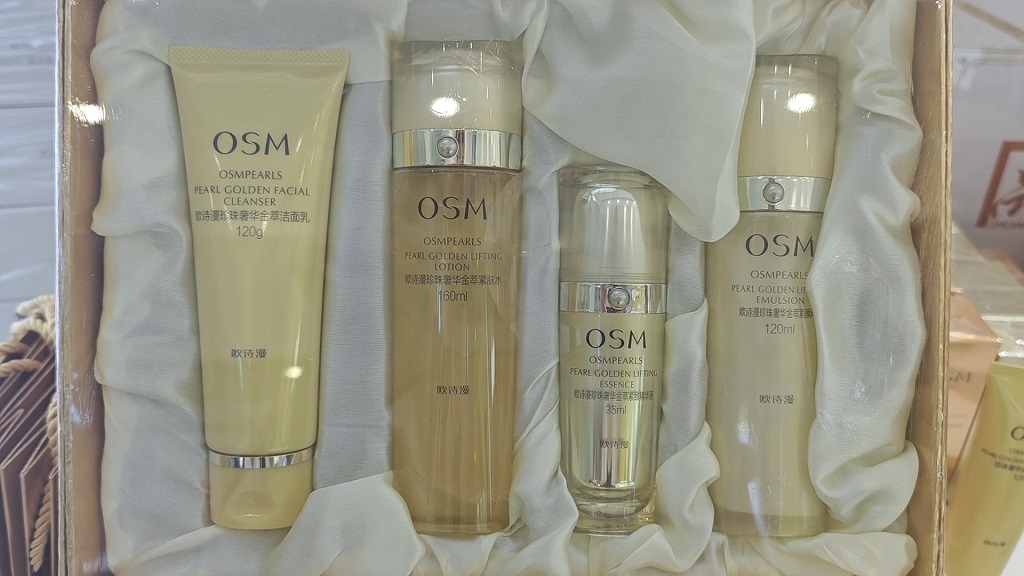
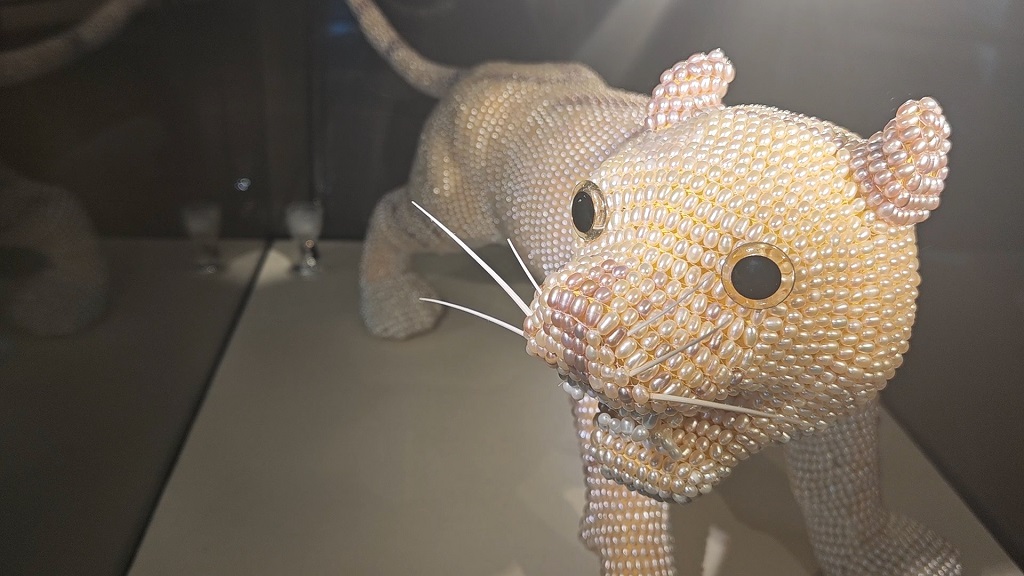
The company, known for manufacturing jewelry with these pearls, has also gained popularity among consumers in the Asian giant with its skincare products.
According to his explanation, the benefits are based on traditional Chinese medicine and ancestral records that documented the properties of pearls, especially regarding whitening, anti-aging, and cleansing.
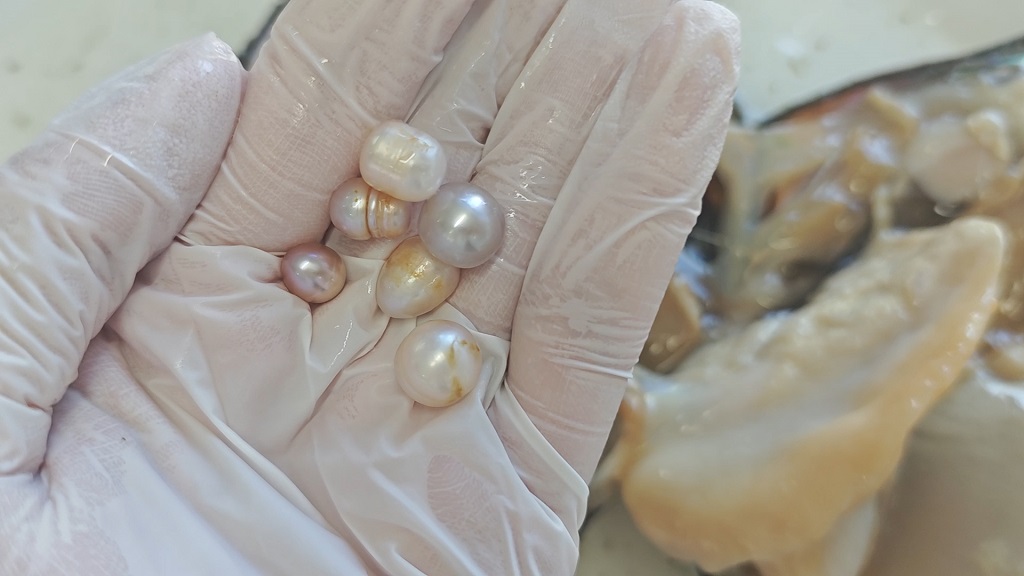
According to Zan Xin, an expert from the Deqing Pearl Museum, each mussel cultivated here can produce an average of about 15 pearls.
Zhejiang province is one of China’s main pearl-producing regions, along with Guangxi and Jiangsu.
The Deqing Pearl System includes a diversity of aquatic resources such as mussels, fish, plankton, benthic species, and plants, with an ecological approach that promotes the balance of the aquaculture ecosystem.
Integrated with the cultural tourism sector, the area currently offers immersive experiences, such as pearl culture workshops and ecological tourism.
Yang Anquan commented that OSM is currently exploring markets in the Middle East and Southeast Asia through two main strategies: traditional distribution with local partners and cross-border e-commerce to ensure direct sales to global consumers.
In China, white and silky skin is synonymous with beauty, hence products aimed at achieving that ideal have high market demand, although the most popular ones in this regard come from Japan and South Korea.