Editor’s Note
Despite a broader economic downturn, Chanel has proceeded with significant price increases in South Korea, pushing several of its iconic handbags past key price thresholds. This move highlights the brand’s strategy of maintaining exclusivity and value perception, even as consumer spending contracts.
Despite consumer spending contraction due to economic recession, luxury brand Chanel has raised the prices of bags and shoes sold in South Korea.
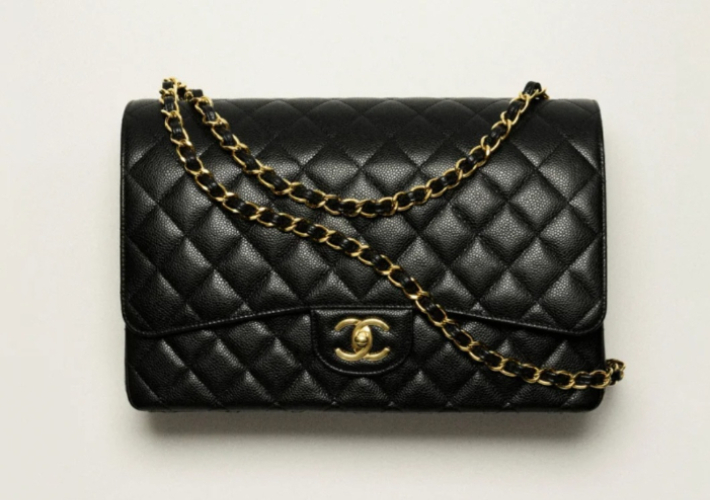
The price of the Classic Maxi handbag increased by 7.5% from 18.92 million won to 20.33 million won, surpassing ’20 million won per bag’.
The Classic 11.12 bag rose 7.4% from 16.66 million to 17.9 million won, and the Boy Chanel Small Flap Bag also exceeded 10 million won.
The Chanel 19 bag also increased from 10.51 million to 11.3 million won. Chanel flat shoes also rose by nearly 220,000 won from 1.457 million to 1.676 million won.
Previously, Chanel also raised prices of some products sold domestically in January and June last year, increasing consumer dissatisfaction.
Besides Chanel, other major luxury brands are also raising prices one after another.
Hermès recently increased domestic product prices, raising the popular bag model ‘Picotin’ by 5.4% from 5.17 million to 5.45 million won.
Delvaux also plans to raise prices by 3-5% on the 19th.
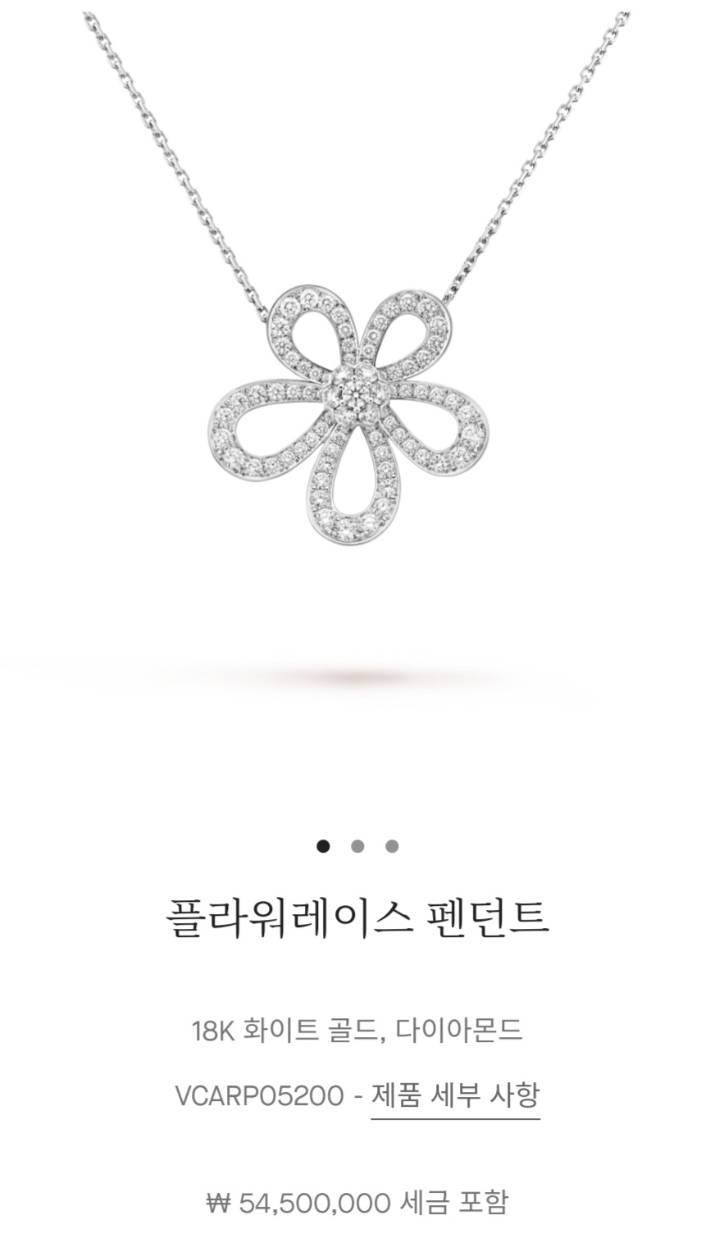
Jewelry brand Van Cleef & Arpels raised prices of products over 50 million won by about 6% on the 8th. Tiffany & Co. has also announced domestic price increases next month. Tiffany & Co. is implementing an additional increase just three months after the last hike in November last year.
Italian high-jewelry brand Buccellati also plans to raise prices by up to 10% on the 27th.
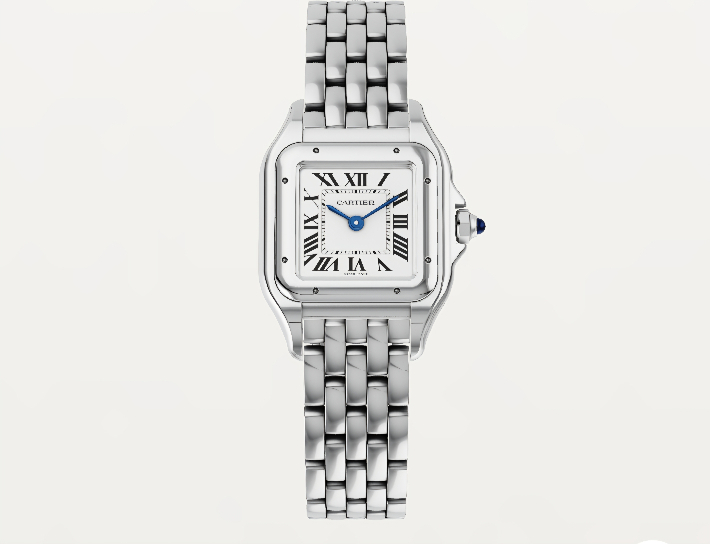
IWC plans to raise prices by 5% on the 12th of next month, and Chaumet, Cartier, Fred, etc., are also known to raise prices soon.
While the luxury industry cites high exchange rates and rising gold prices as surface reasons, analysis suggests they are strategically raising prices for scarcity.
However, demand for luxury goods is not decreasing despite price hikes. Instead, consumers are making store reservations or participating in ‘open runs’ to secure products before the increase.
Stores of luxury brands with scheduled price increases are even more crowded with consumers.
This explains that luxury consumption is increasingly moving away from a cost-benefit issue towards consumption that chooses identity, symbolism, and scarce experiences.