Editor’s Note
The G7 has announced a phased ban on Russian diamonds, starting with a prohibition on direct imports from January 1st. A more comprehensive ban, targeting diamonds processed in third countries, is set to follow in March.
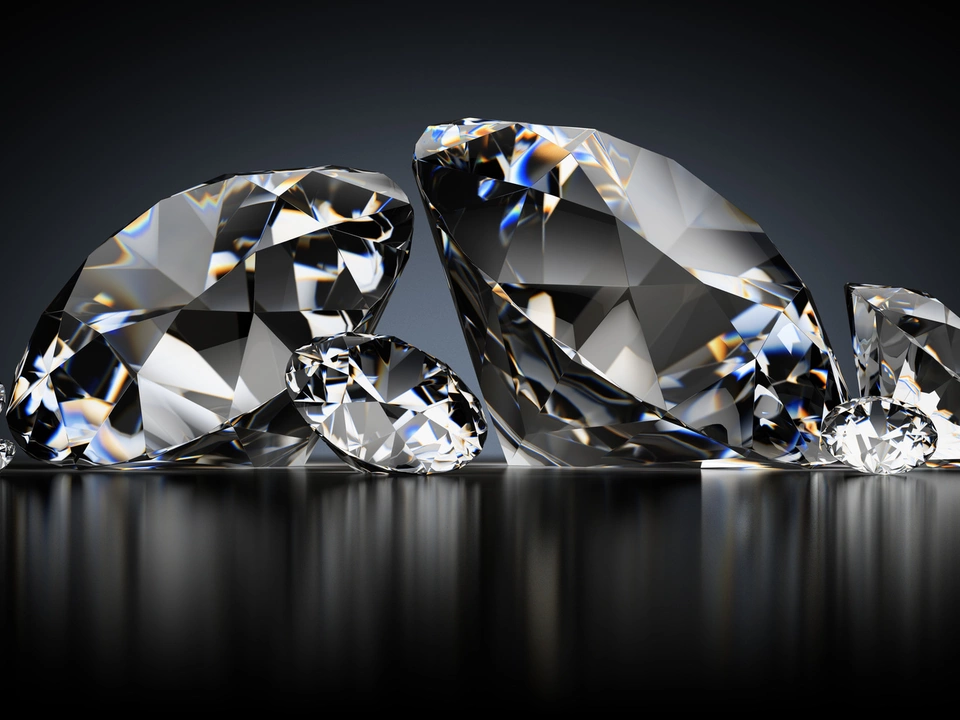
The G7 nations have announced a ban on direct imports of non-industrial Russian diamonds starting January 1st. A broader import ban on Russian diamonds sold by third countries is planned to take effect in March.
The G7 stated in a joint declaration that these measures aim to make it more difficult for Russia to continue financing its war of aggression against Ukraine. The G7 includes the USA, Germany, France, Great Britain, Italy, Canada, and Japan.
Russia is considered the world’s largest producer of rough diamonds, earning billions from the trade in these valuable stones, at least part of which flows into the war chest of Kremlin leader Vladimir Putin. Until now, Western sanctions have apparently had little impact on the trade in Russian diamonds. Furthermore, Moscow has found new ways to obscure the origin of the stones.
Shortly after the start of the Ukraine war, Western luxury brands like Cartier and Tiffany announced they would voluntarily forgo Russian diamonds for their jewelry. However, an investigation by the Ukrainian newspaper Kyiv Independent came to different conclusions: Instead of direct routes, the luxury brands were importing the valuable stones from Russia via intermediaries in Dubai.
(Translation: “Instead of direct routes, the luxury brands were importing the valuable stones from Russia via intermediaries in Dubai.”)
A lot of money is at stake: In 2021, the state-owned diamond miner Alrosa in Russia reported revenues of around four billion euros.
As early as May of this year, the G7 nations debated limiting the multi-billion euro export of rough diamonds from Russia. At the time, resistance came from, among others, Belgium, whose port city of Antwerp has been considered the world’s diamond center for centuries. No sanctions in this direction had been decided within the EU. However, it was reported at the time that trade within the EU had already declined by about 80% due to voluntary self-commitments.
According to the Kyiv Independent’s research, Moscow used two paths to obscure the origin of its diamonds. One involves delivering rough diamonds first to the Indian city of Surat, where they are processed and polished. Under US law, they are then no longer considered Russian stones. This path is not unusual: 90% of all rough diamonds worldwide are cut in Surat.
A second obfuscation method Russia used more frequently is selling rough diamonds as “mixed goods” in packages to Dubai. Only from there do the stones move to the polishers. In such mixed packages of smaller stones, mostly under one carat, the country of origin of the diamonds can no longer be traced.
Using these tricks, the sales revenues of Alrosa in Russia actually increased in 2023 and were higher than in the two previous years. Now, the G7 nations hope that with the import ban, they can more effectively curb the trade in Russian diamonds.