Editor’s Note
This article explores the extraordinary rarity and value of natural fancy color diamonds, which constitute less than 0.1% of all diamonds. Their vibrant hues result from unique geological conditions, making them among the world’s most precious gems.
It’s worth noting that the rarest of natural diamonds are those with the deepest and brightest hues—think: blue, red, green and orange—a product of extremely uncommon and unique conditions within the Earth that allow for the “perfect” combination of impurities to occur. Representing less than a tenth of a percent of all diamonds, such fancy colored stones are by far the most valuable gems that exist and have sold at auction for as much as $4 million per carat. (In 2015, Sotheby’s sold the 12.03 carat Blue Moon of Josephine, a fancy vivid blue diamond for $48.4 million.)
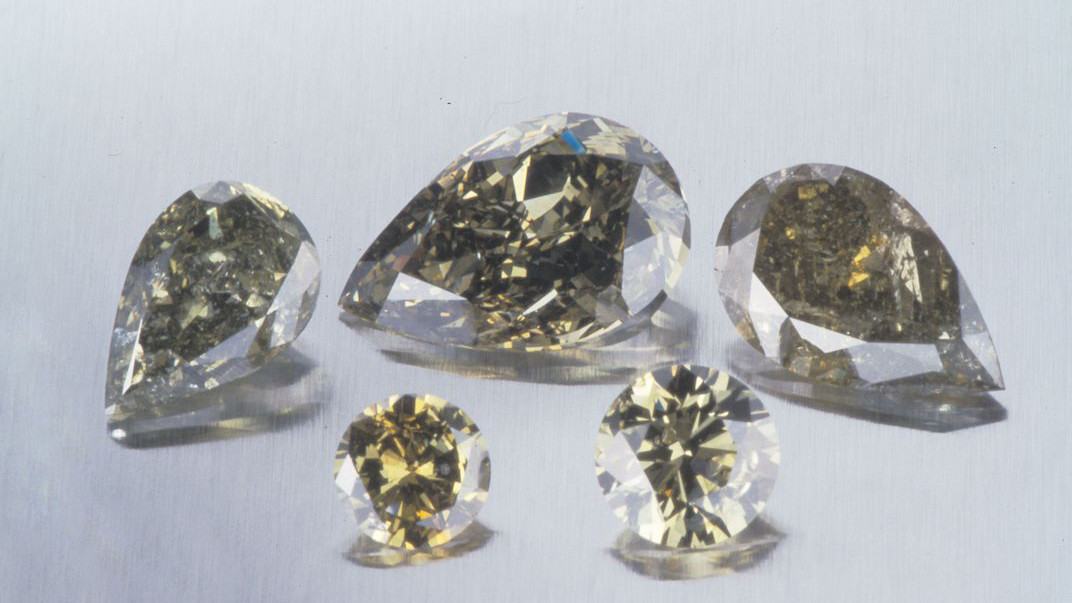
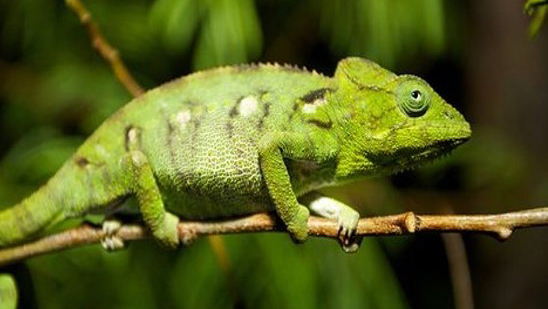
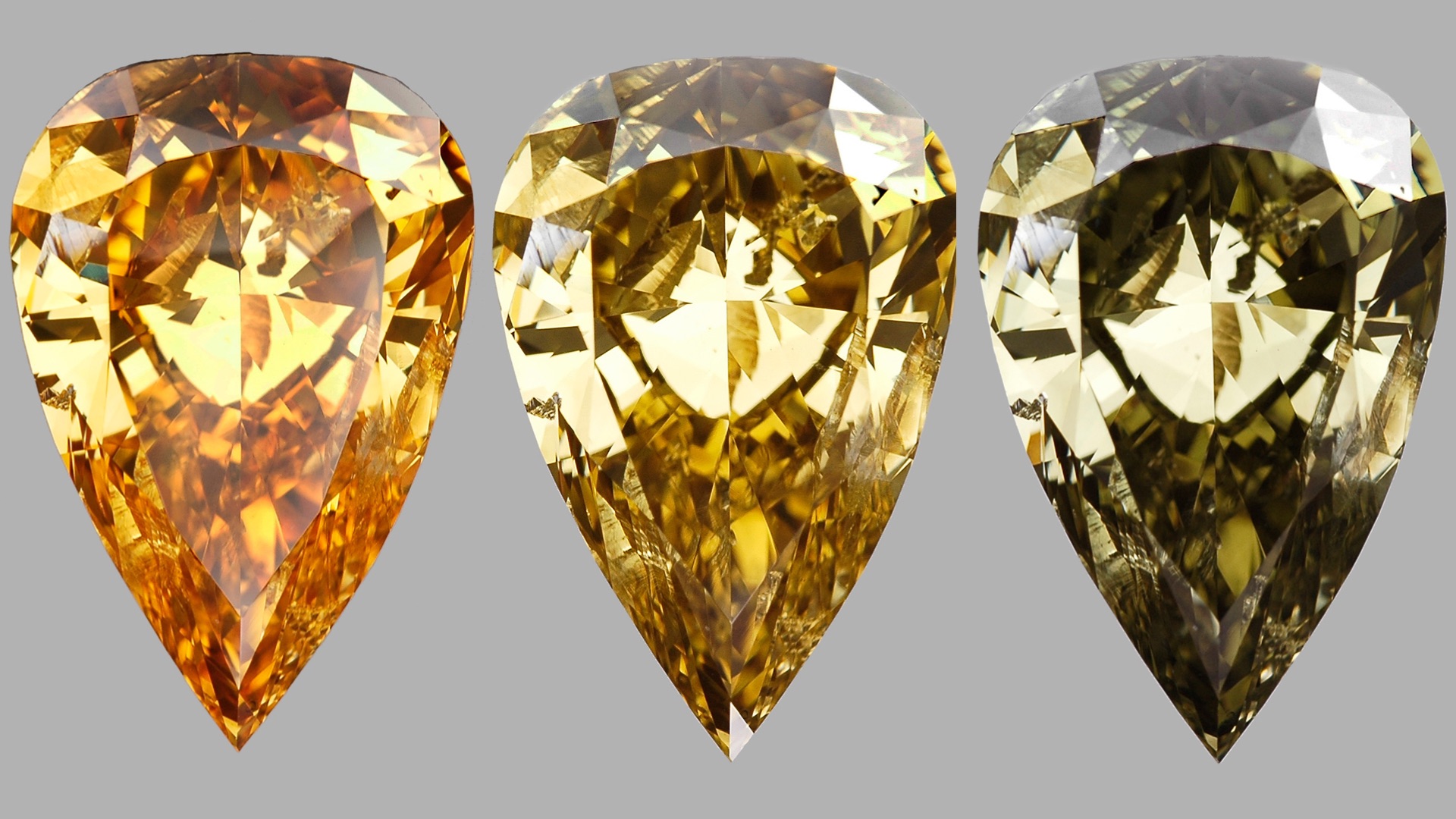
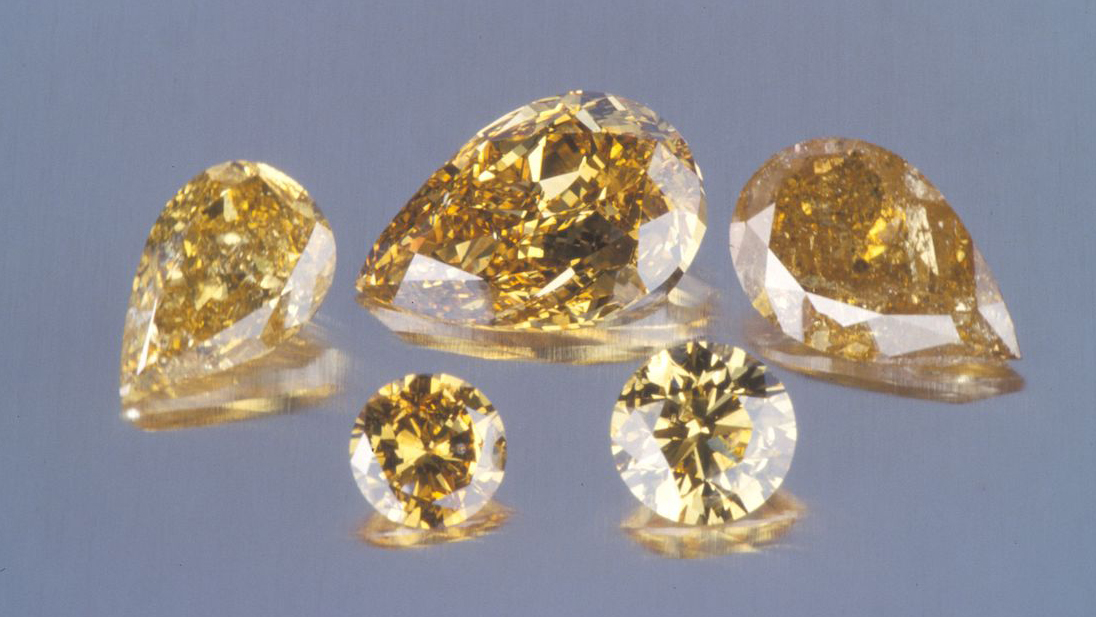
One group of fancy color diamonds, however, is not always content to exist as a single color. Chameleon diamonds, much like their namesake animals, can temporarily change color in response to their environmental conditions. While they don’t usually have especially vibrant hues or blend in with their backgrounds, chameleon diamonds go from a greenish color to a yellow or orange color when gently heated (don’t try this at home) or removed from light for an extended period of time. Upon cooling or light exposure, they revert to their original greenish hues within seconds. These unique diamonds occupy a special niche among diamond collectors.