Editor’s Note
De Beers Group has announced the discontinuation of its lab-grown diamond brand, Lightbox, citing significant price erosion in the market. The company is winding down operations and exploring the sale of certain assets while ensuring continued customer support for existing products.
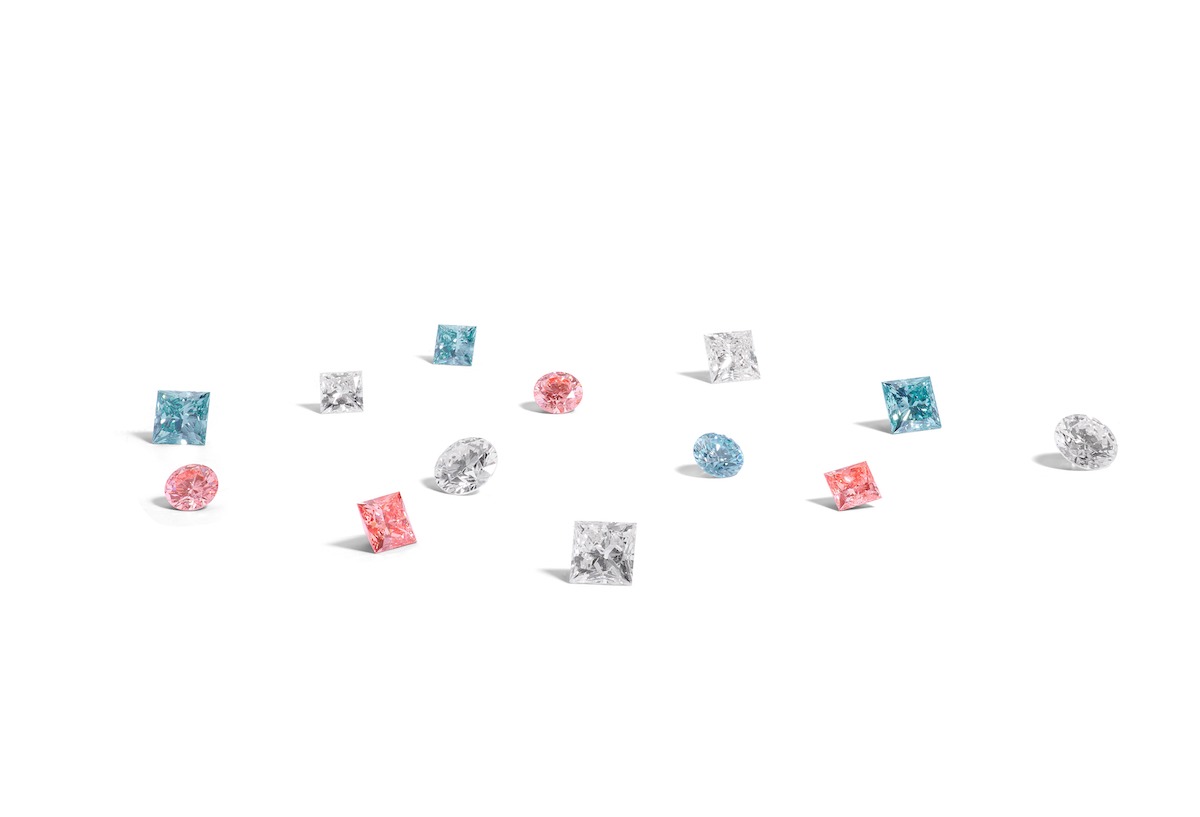
De Beers Group announced on May 8 that it will discontinue its lab-grown diamond jewelry brand, Lightbox. According to the company, the primary reason is the significant price erosion of lab-grown diamonds in the jewelry market. As part of the wind-down, De Beers is in discussions with several potential buyers for the sale of certain assets, including inventory. The company will continue to honor warranties and provide after-sales service for purchased items during the closure process.
De Beers launched Lightbox in 2018. While natural diamonds remain popular due to their rarity and high value, concerns over environmental damage from mining, harsh labor conditions, and exploitation persist. Consequently, with rising sustainability awareness, lab-grown diamonds—which are identical in composition to natural diamonds but considered more ethical—gained attention. In 2015, Leonardo DiCaprio invested in the U.S. lab-grown diamond maker Diamond Foundry. In 2022, LVMH Luxury Ventures, the investment arm of LVMH Moët Hennessy Louis Vuitton, invested in the Israeli lab-grown diamond manufacturer Lusix.
Technological advancements improving quality and lower prices compared to natural diamonds helped lab-grown diamond jewelry gain popularity, initially among ethically-conscious younger generations and later more broadly. In the U.S., they have become products sold even in major supermarkets. Lightbox, from its inception, positioned lab-grown and natural diamonds as distinct categories, introducing a clear pricing structure of “$800 per carat (approximately ¥110,000).” However, the wholesale price of lab-grown diamonds in the jewelry market has reportedly fallen by 90% since the brand’s early days.
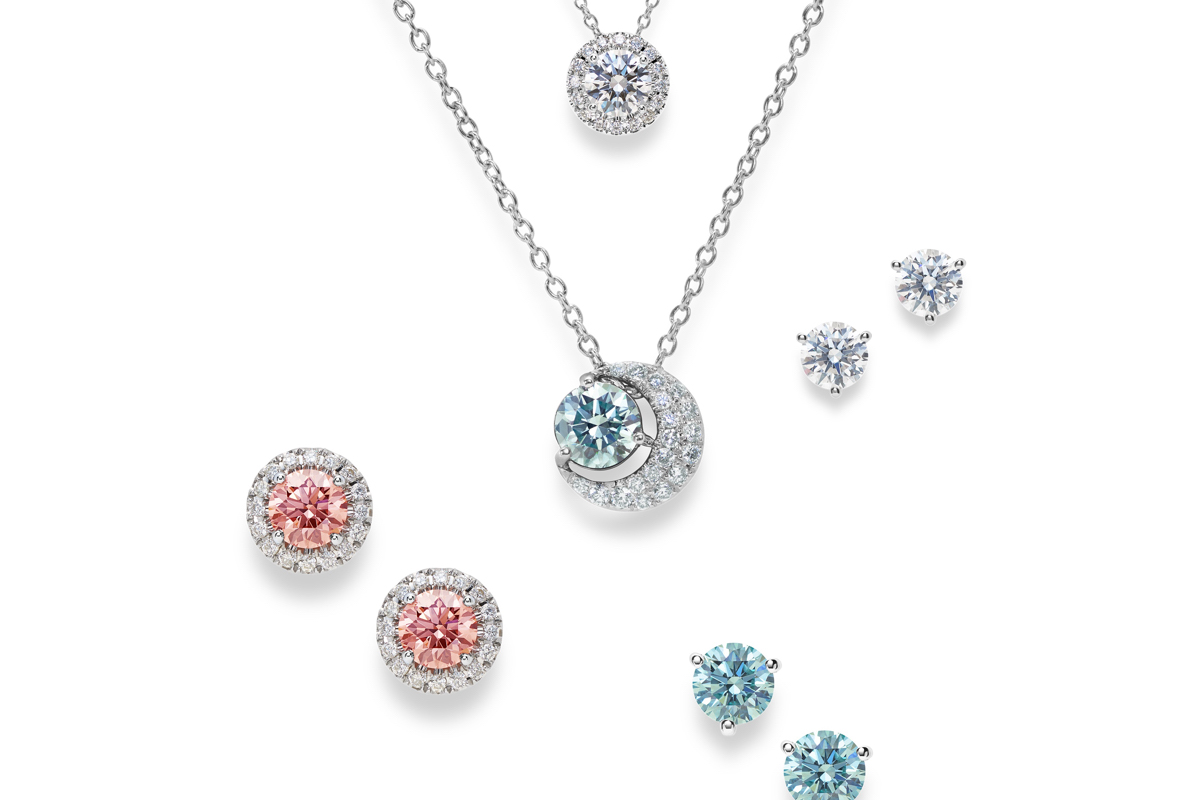
In a statement, the company said, “The change in the value of lab-grown diamonds supports our view that rare and valuable natural diamonds and low-cost, mass-produced lab-grown diamonds are different categories.” CEO Al Cook also commented:
Element Six, a De Beers subsidiary that previously manufactured lab-grown diamonds for Lightbox, will continue its business as an industrial lab-grown diamond maker.
De Beers itself became a subsidiary of the global mining resources company Anglo American in 2011. Anglo American owns 85% of De Beers’ shares, with the remaining 15% held by the government of Botswana. In May 2024, Anglo American announced plans to sell De Beers, stating this move is to streamline its overall business and enhance shareholder value.