Editor’s Note
This year’s precious metals markets have delivered a rollercoaster of historic volatility, leaving even experienced investors searching for clarity. The following analysis explores why such dramatic swings may be an inherent feature of these markets, not merely a temporary glitch.
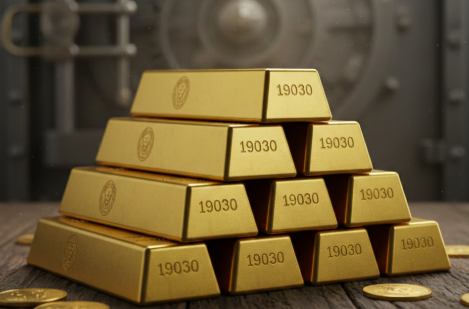
This year, the gold and silver markets have provided investors with an extreme experience. After a strong start at the beginning of the year, precious metal prices experienced historic selling pressure, followed by the strongest rebound on record within just a few days. The repeated sharp declines and surges have left even seasoned market participants bewildered by the price movements of gold and silver.
Regarding this extreme volatility, Michael Cow, Chief Strategist at YieldMax and a veteran options trader with deep experience in commodity markets, assessed it as “rather a normal phenomenon.”
Cow explained, “Commodities tend to move farther, faster, and longer than people expect.” He noted that when volatility spikes sharply, investors may feel as if the market is broken, but in reality, it is a natural byproduct of the formation of a strong trend.
This year’s precious metals market flow illustrates this well. Gold and silver experienced sharp declines under large-scale selling pressure in a short period, but immediately afterward, strong buying interest flowed in, leading to a record-breaking rebound. This is cited as a typical case showing how prices can move sharply with even a small catalyst when market positions are excessively skewed to one side.
Cow emphasized that this volatility should be interpreted from the perspective of the options market.
He pointed out that approaching gold and silver with expectations of stable flows like stocks or bonds is risky.
Experts analyze that the recent sharp price movements are a result of being intertwined with changes in the global financial environment. Factors such as monetary policy uncertainty, geopolitical tensions, and expanding national debt are simultaneously acting to amplify volatility in the precious metals market. However, some evaluations suggest that in such an environment, gold and silver function not as speculative assets but as a barometer of risk perception.
A market insider said, “Rather than interpreting the sharp fluctuations of gold and silver as ‘abnormal,’ we should understand them as the inherent rhythm of commodity markets. The issue is not volatility itself, but whether one is prepared to handle it.”
Finally, Cow advised investors not to obsess excessively over short-term price movements.