Editor’s Note
**Editor’s Note:** A recent inspection in Solothurn reveals that one in four fashion jewelry items contains hazardous levels of lead, cadmium, or nickel—with one product composed of 86% carcinogenic cadmium. This alarming finding underscores the urgent need for stricter oversight and consumer awareness.
A quarter of fashion jewelry items inspected in the Canton of Solothurn contained excessive levels of lead, cadmium, or nickel. One tested product even consisted of 86% carcinogenic cadmium.
by Sebastian Richter
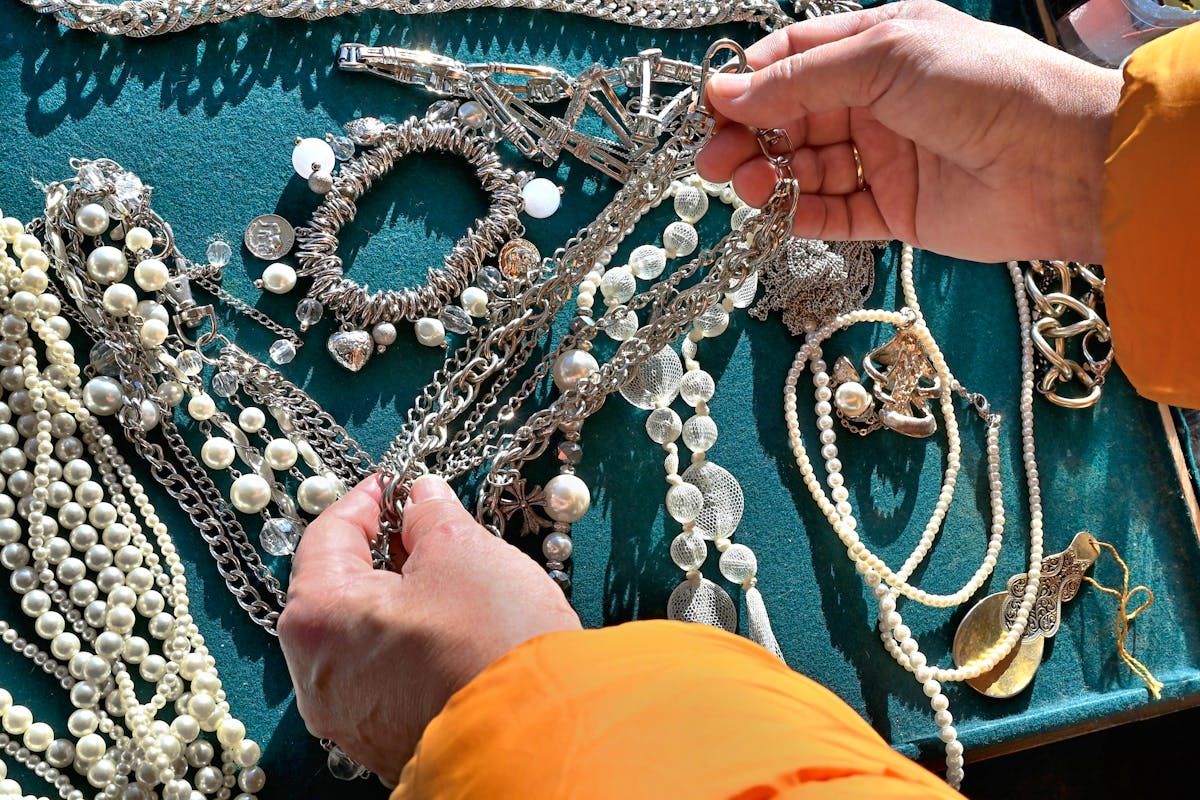
5 out of 20 tested fashion jewelry products contained toxic substances above the legal limit. (Symbolic image)
IMAGO / Rolf Poss
- 25% of fashion jewelry items inspected in Canton Solothurn exceeded legal limits for toxic metals.
- The “pendant” of an Egyptian necklace consisted of 86% of the toxic heavy metal cadmium.
- Nickel levels in a bracelet also exceeded the permitted maximum by multiple times.
- Sales of non-compliant fashion jewelry were banned by authorities.
Rings, necklaces, earrings, or bracelets labeled as “fashion jewelry” are typically made from metals such as brass, bronze, aluminum, and copper. Despite clear legal regulations, the toxic metals cadmium and lead are repeatedly found in fashion jewelry, according to the recently published annual report of the Canton Solothurn Food Control Authority.
Authorities inspected 20 fashion jewelry products that come into contact with skin and were sold in Canton Solothurn. The result: a full 25% of the tested products were found to be objectionable. Lead may be present in externally accessible metal parts at a maximum of 0.05%, and cadmium at a maximum of 0.01%.
The negative highlight of the 2024 inspection campaign was a “pendant” on an Egyptian necklace, which consisted of 86% cadmium and was sold in Canton Solothurn. Cadmium is a toxic heavy metal that accumulates in the body and can cause health damage. It is toxic to the kidneys, bones, and respiratory system and is classified as carcinogenic.
The metal nickel can cause allergic reactions. Therefore, jewelry must not release more than 0.5 μg of nickel per square centimeter per week. For initial earrings, the limit is even 0.2 μg. The most significant exceedance was shown by a bracelet, where a partial sample with 23.3 μg of nickel per square centimeter per week clearly exceeded the maximum value for nickel release.
The sale of all non-compliant products was banned. For legal reasons, no further details about the points of sale could be provided upon request from 20 Minuten.
