Editor’s Note
This article examines a notable shift in the luxury sector, where major houses like LVMH, Chanel, and Prada are now publicly championing their long-standing sustainability efforts, moving beyond quiet implementation to active communication.
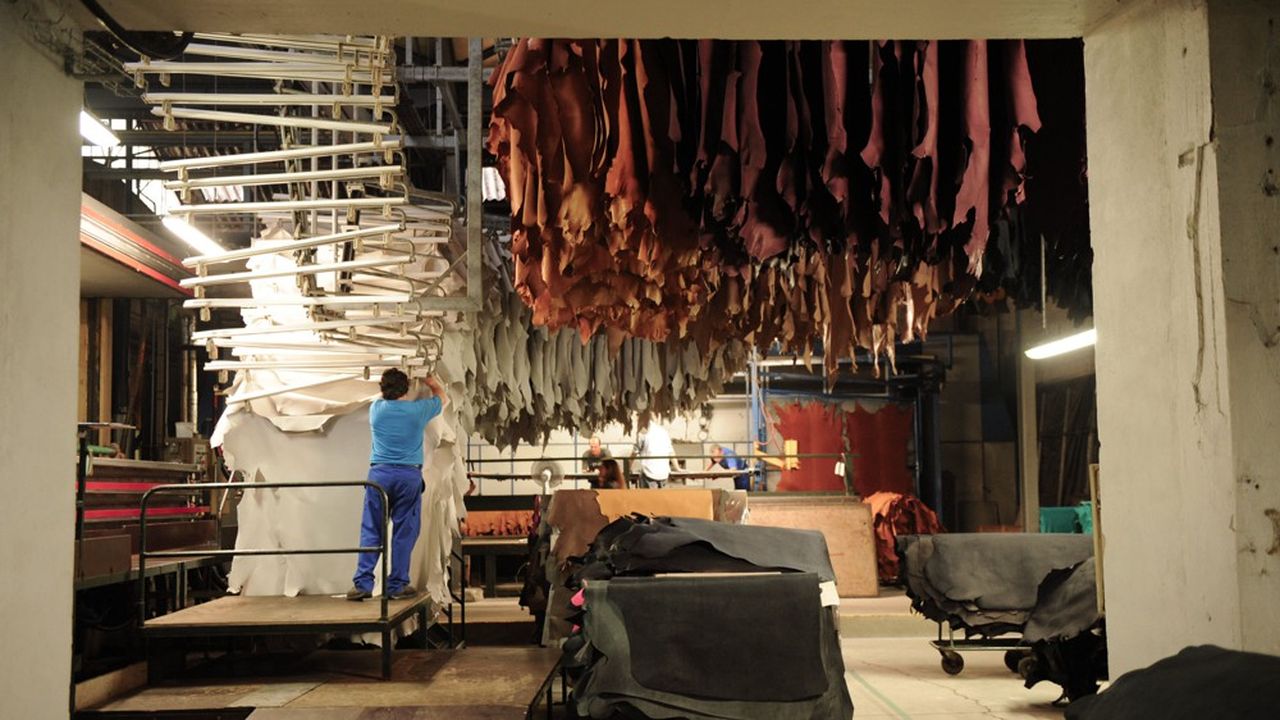
Luxury giants are going green. For years, these companies have launched sustainable development programs. Except for Kering, which made it a communication focus, LVMH, Chanel, and Prada have acted quietly until now. Today, they are communicating to make their commitments known.
On Wednesday, LVMH (owner of “Les Echos”) unveiled its new initiatives in this area.
The world leader has initiated a charter related to animal welfare, a sensitive issue for younger generations. It covers its sourcing of fur, leather, exotic skins, as well as wool and feathers.
By 2025, LVMH has committed to 100% traceability for its animal-derived materials. And this goes back to the country of origin, even to the farm for farmed fur, specifies the group.
Blockchain will be a tool to secure the entire chain and avoid fraud – the group also wants to push the luxury sector to offer “the most demanding certifications.”
Today, 48% of the leather used by LVMH houses, like Vuitton, comes from tanneries certified with the Leather Working Group label. By the end of the year, the 70% target will be reached, indicates the group. In jewelry, it aims for 100% certified diamonds in 2020. On all these “complex” issues, LVMH has decided to rely on a scientific committee composed of experts.
This series of announcements follows the mobilization of the sector in favor of the environment, with, for the first time, a collective action launched during the summer. Behind François-Henri Pinault, Hermès and Chanel have joined the Fashion Pact launched at the G7. A group of 32 companies (Armani, Moncler, Prada, Stella McCartney…) that want to limit the impact of fashion, with targets set for 2030 and 2050. LVMH preferred to go it alone.
At the beginning of the week, Kering, for its part, committed to offsetting all greenhouse gas emissions from its operations and its supply chain. By 2025, a reduction “of 50% of all greenhouse gas emissions compared to 2015” has been agreed. LVMH, for its part, affirmed on Wednesday that its CO2 emissions had been reduced by 16% between 2013 and 2018 despite exponential growth.
Production, transport, raw materials, this reduction will concern all levels. Already the energy efficiency program launched in 2015 has allowed “a 30% reduction in the carbon intensity of boutiques.”
He also sees a “generational effect within the houses that see younger leaders taking the helm.”