Editor’s Note
This article highlights Kering’s Material Innovation Lab (MIL), a key initiative launched in 2013 to advance sustainable fashion. The MIL functions as both a curated library of eco-friendly fabrics and a catalyst for change, empowering the group’s brands to adopt more responsible materials and processes.
Through innovation, knowledge sharing, and efforts to reduce environmental footprint, Kering advocates for breakthrough solutions and processes to make sustainable practices widely accessible.
In 2013, Kering established the Material Innovation Lab (MIL), dedicated to discovering sustainable fabrics and textiles. Located in Milan, the MIL serves both as a library of sustainable fabrics, enabling Kering’s brand design teams to better understand sustainable materials, and as a change agent within a highly complex supply chain. In this process, the Material Innovation Lab provides resources, tools, and new solutions to the Group’s brands and key suppliers, helping them understand how to make more sustainable choices in product development.
The Material Innovation Lab’s database offers a unique reference for suppliers and their fabric usage. Kering brands now have access to over 8,000 samples of certified organic fabrics and fibers, including alternative leathers, sustainable fabrics, as well as natural, cellulosic, and synthetic fibers. These fabrics undergo in-depth testing and are evaluated against external certification standards and tools specifically developed for the Material Innovation Lab based on the Environmental Profit & Loss (EP&L) account.
The Material Innovation Lab works closely with suppliers to align their practices more closely with the Kering Standards. This work extends throughout the entire supply chain—from raw material sourcing to production processes, from cultivation, spinning, weaving, to sustainable dyeing. The Material Innovation Lab also collaborates with leading industry startups to test various innovative approaches, including dyeing and finishing solutions, and applying biotechnology to agricultural waste to create new fibers.
Beyond archiving materials and providing solutions, the Material Innovation Lab has developed a sustainability rating system within the scope of the Kering Standards. Additionally, the Material Innovation Lab conducts auditing work across the industry. Our team is currently focused on supporting suppliers in obtaining comprehensive environmental certifications—they are driving change across the entire industry.
The following overview describes the types of samples referenced by the Material Innovation Lab:


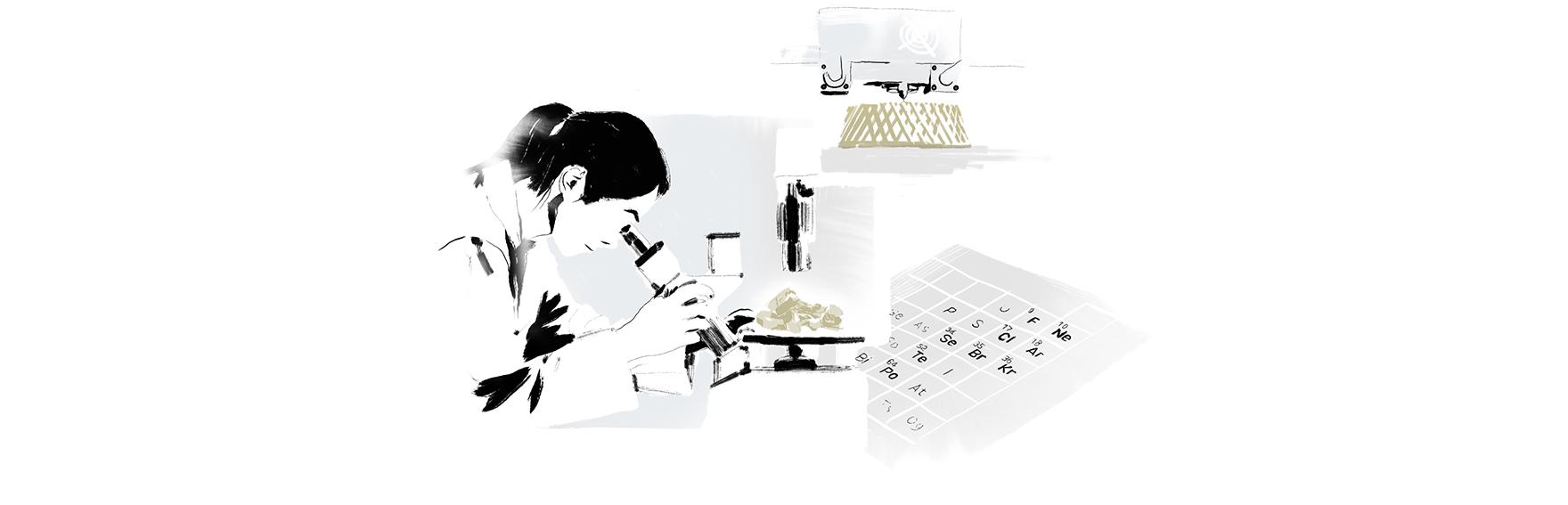
In early 2020, Kering established the Sustainable Innovation Lab (SIL) for its watchmaking and jewelry business. Located at the Group’s watchmaking base in Switzerland, the Sustainable Innovation Lab focuses on providing materials such as gemstones and gold required for production to the Group’s jewelry brands.
To transition towards a circular economy, Kering needs to rethink its models for producing and using resources, as well as methods for extending product lifecycles.