Editor’s Note
This article explores the constructed value of diamonds, revealing how market control and masterful marketing transformed a relatively common stone into a symbol of luxury.
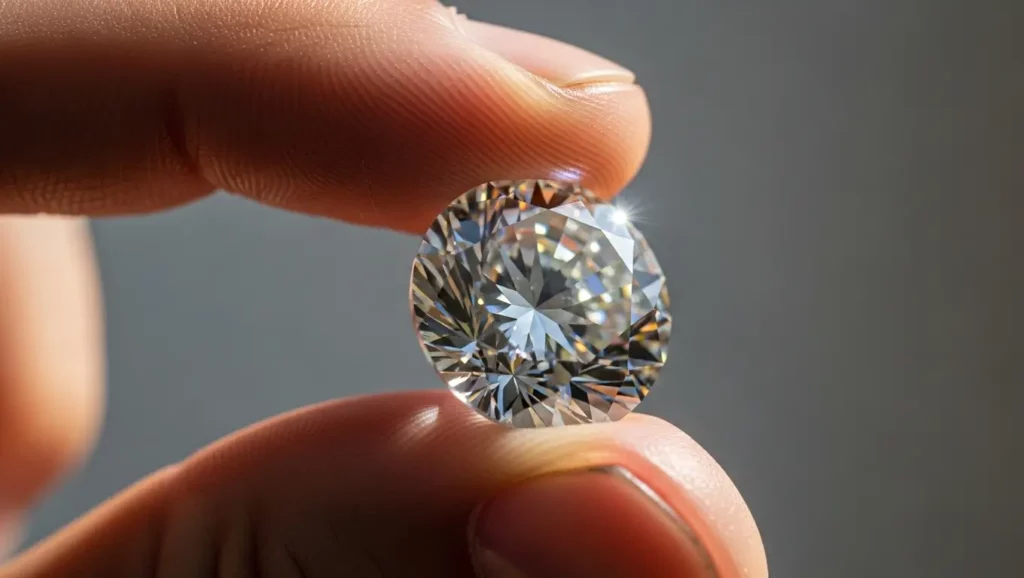
Diamonds fascinate with their brilliance and symbolism of eternal love. However, these stones are not as rare as one might think. Their astronomical value is based on a market control strategy and a marketing campaign that has become legendary. Here’s how a simple stone became a product worth €50,000.
In the 19th century, vast diamond deposits were discovered in South Africa. British entrepreneur Cecil Rhodes gradually bought up the mines and founded the De Beers conglomerate, which eventually controlled up to 90% of the global market by the early 20th century.
This control posed a major problem: diamonds are abundant. To maintain their value, De Beers decided to artificially limit supply. The company stockpiled enormous quantities and released them in a trickle, creating an illusion of scarcity. This strategy, combined with global trade agreements, allowed for the imposition of very high prices.
In the late 1930s, De Beers allied with the advertising agency N. W. Ayer with the mission of convincing Americans that diamonds were indispensable for engagements.
The campaign used all available levers: lectures, magazine advertisements, partnerships with Hollywood, and even interventions in high schools.
It was in 1948 that the mythical slogan was born:
This message associated the durability of the stone with that of love, creating a simple but formidable psychological equation.
Giving a diamond engagement ring gradually became a social norm in the United States, before spreading worldwide.
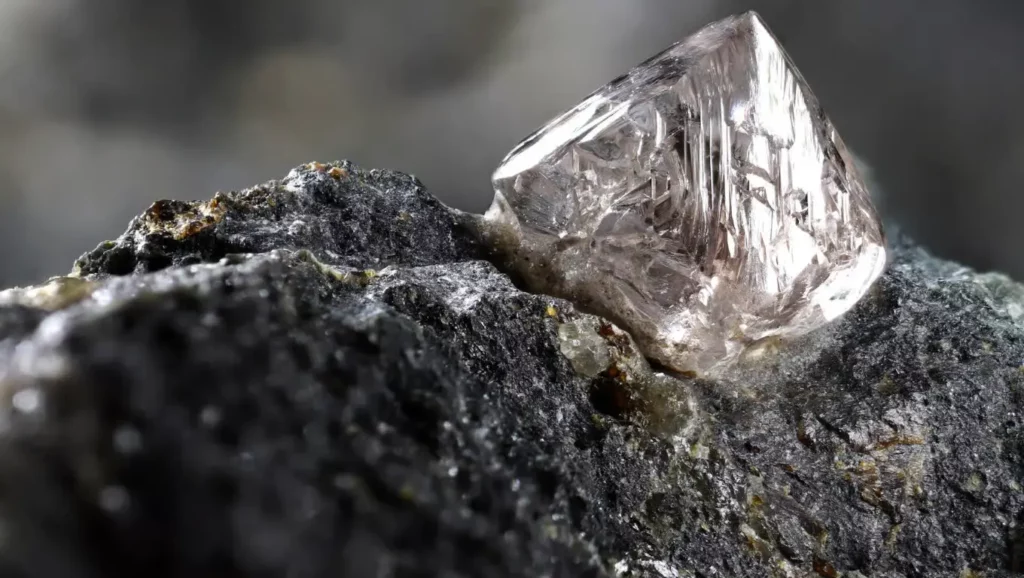
In reality, diamonds are far from being the rarest minerals. Their high price is based mainly on artificial control of production and the power of marketing.
As early as the 1940s, De Beers encouraged consumers to never resell their rings, thereby reinforcing the demand for new purchases.
The diamond has thus become a psychological necessity: even in times of crisis, it remains associated with social success and eternal love. According to the World Diamond Council, annual sales of diamond jewelry now exceed $72 billion.
Yet, geological reality shows that this stone is much more common than its image suggests.
Although De Beers no longer holds the majority of the market due to competition and synthetic diamonds, its marketing legacy remains intact. Every year, millions of couples announce their engagements on Instagram, showcasing their diamond-adorned ring.
This digital staging extends the effect intended over 70 years ago: making the diamond the ultimate symbol of romantic commitment. Even after the COVID-19 pandemic, which had slowed sales, jewelers are betting on this myth to maintain demand.
As the “Diamond Lady” already said in 1960.