Editor’s Note
India’s latest budget introduces new tariff classifications for 44 items, including specific nuts and berries, to monitor imports following expanded U.S. market access. This move highlights ongoing adjustments in trade policy to balance market openness with domestic oversight.
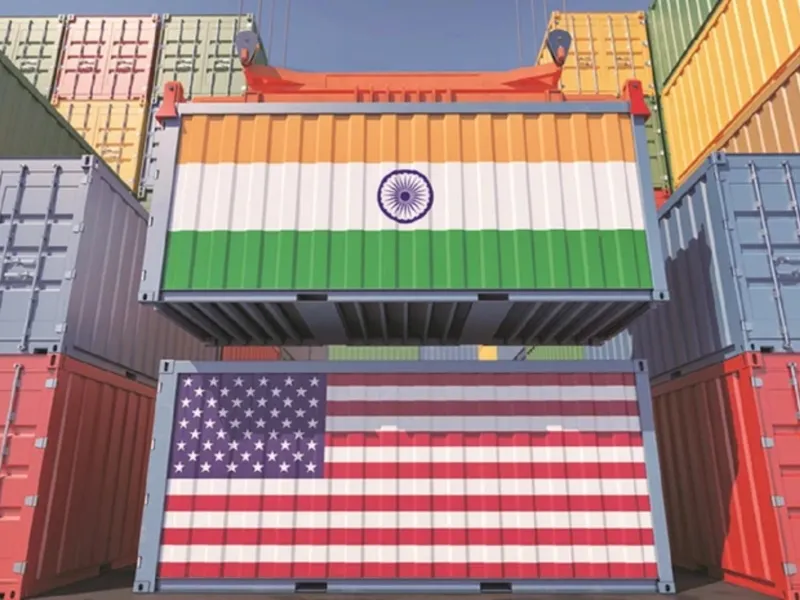
India has introduced a new classification (tariff line) for duties on 44 items in the Union Budget for FY 2026-27. The objective is to closely monitor the import of those goods for which the United States has been granted greater market access under a trade agreement. These include pecan nuts, fresh and dried cranberries and blueberries, among others.
The budget document states, ‘The First Schedule of the Customs Act, 1975 has also been amended to create new tariff lines, i.e., to re-fix duties on goods. This will, among other things, help in better identification of the product. It will also facilitate obtaining accurate data on transactions of the basic chemicals of a substance and better monitoring of them, monitoring exports, and determining policy measures for products made from plant parts. Unless any further directives are issued, these changes will become effective from May 1, 2026.’
New 8-digit HSN codes have also been created for some other items. These include frozen krill, cranberry products, gibberellic acid, thymidine, battery separators, and refrigerated containers. In a clarification issued by the research wing of the Press Information Bureau, the government said that this agreement will ensure consumer welfare by increasing imports of select consumer-focused goods to bridge the demand-supply gap without burdening the country’s farmers.
These products include tree nuts, fresh and processed fruits like berries, specialty and high-quality oils, yeast, margarine and processed food products including abalone, wine and premium beverages, select pet products, and frozen foods like salmon, cod, and Alaska pollock.
The clarification states that, similar to previous trade agreements, India has opened its agricultural market by assessing how essential each product is for the country. It says, ‘There are several categories – immediate elimination of duty, elimination in phases of up to 10 years, reduction of duty, etc. It also includes Margin of Preference and Tariff Rate Quota systems. A very small quantity of some highly sensitive items has been placed under the Tariff Rate Quota (TRQ), which will attract lower duty. This category includes whole almonds, walnuts, pistachios, pulses, etc.’
US Agriculture Secretary Brooke Rawlins said on February 2 that the India-US agreement will give American agricultural products access to India’s vast market and bring cash to rural America.
The Department of Commerce said on Friday that the trade agreement prioritizes farmers’ interests.
The clarification states that duty reductions on select sensitive agricultural products have been made to ensure a level of tariff protection remains.