Editor’s Note
This analysis highlights how metals, particularly platinum, have delivered strong returns in a turbulent first half of 2025, underscoring their renewed role as defensive assets amid global uncertainty.
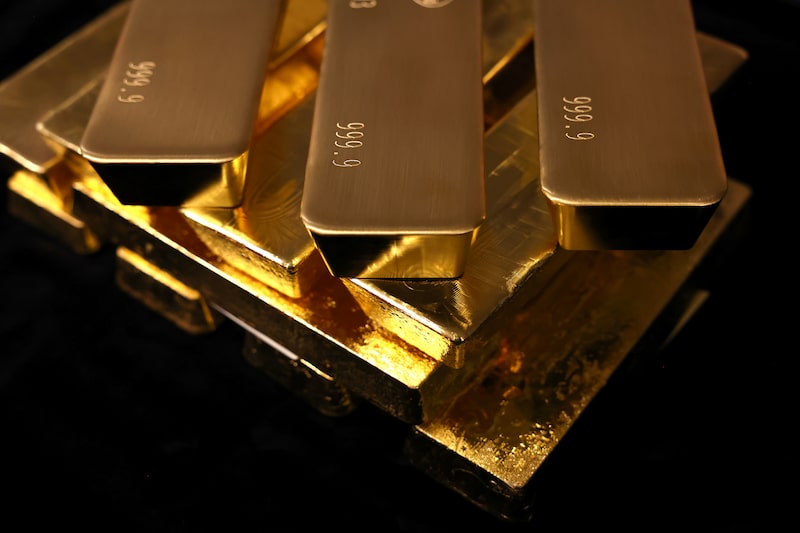
Bloomberg Línea — The performance of metals in the first half of 2025 was outstanding, with gains of up to double digits, in a context of high macroeconomic uncertainty, persistent inflationary pressures, and geopolitical tensions that allowed them to position themselves as safe-haven assets.
Metals like platinum had an exceptional performance in the half-year and its price soared 47% driven by demand in the industry, as supply remains constrained by shocks experienced in Africa, the largest producer.
At the end of June, platinum rose to its highest level since 2014 due to strong demand from Chinese jewelry buyers, who are favoring the metal over gold. As of Thursday, July 3, platinum was trading at US$1,379 per ounce. The World Bank’s outlook published in April was that in 2025 its price would be around US$1,050 and in 2026 would jump to US$1,075.
In the half-year ending in June, gold consolidated as a defensive asset, with an appreciation close to 24.28%, driven by dollar weakness, expectations of rate cuts by the Federal Reserve (Fed), and increased demand in global risk scenarios.
Copper had a rise in the half-year close to 25%, which in any case reflected concerns about limited supply and a rebound in demand, especially from Asia, positioning it as a strategic asset linked to the economic cycle and the energy transition.
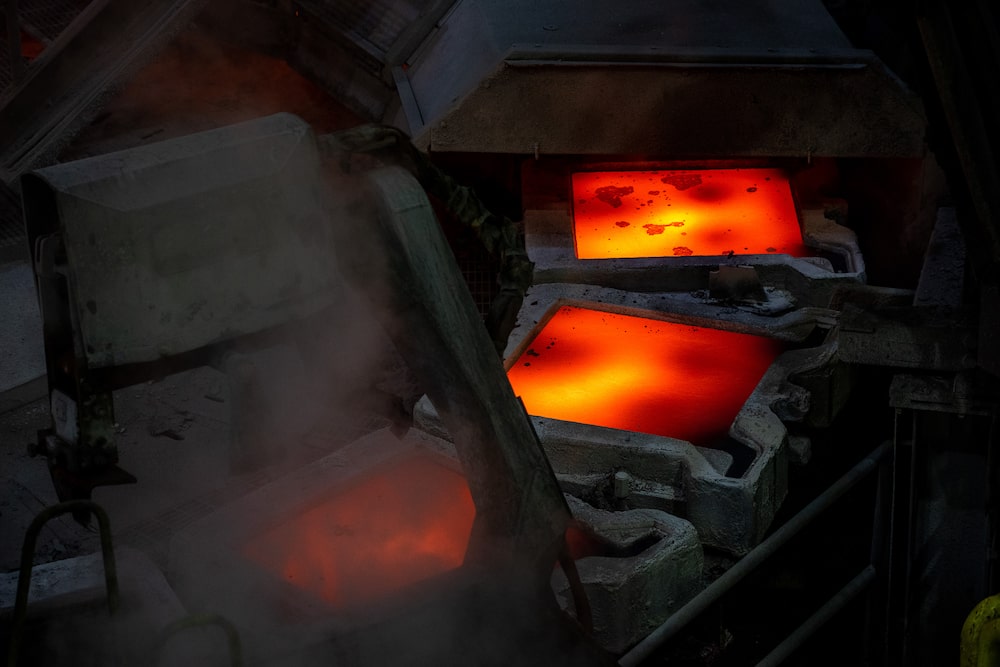
Regarding copper, Renato Campos says that China expects to carry out new rounds to stimulate domestic demand,
Another of the winning metals of the ended half-year was palladium, with an advance of 21% amid expectations of greater use in the automotive industry in the midst of the electric vehicle race.
Silver also had a solid performance, with over 20% appreciation between January and June, benefiting both from its safe-haven role and its industrial demand in key sectors such as energy, electronics, and defense.
According to the analyst, scenarios that could reinforce the upward trend of metals in the starting half-year include rate cuts, expansive fiscal policies, dollar weakness, and greater geopolitical risks.
In contrast,
Looking ahead to the second half of 2025, Paula Chaves said that an eventual monetary policy easing by the Federal Reserve — through interest rate cuts — could increase the attractiveness of gold and silver, by reducing the opportunity cost of holding non-yielding assets.

Furthermore, she considers that if inflation remains high, metals could also benefit as hedging instruments against the loss of purchasing power.
In parallel, greater dollar weakness would reinforce their competitiveness in global markets, stimulating demand.
In the first half of 2025, the US currency depreciated 10.7%, affected mainly by fiscal uncertainty, doubts about the independence of the Federal Reserve, and the lower confidence generated by Donald Trump’s second term.
Geopolitical tensions, if they persist or worsen, would continue to support interest in defensive assets, particularly gold, according to Chaves.
Structural industrial demand will continue to be a key factor, especially in the case of silver and copper, whose supply faces restrictions against consumption that remains firm, driven by strategic sectors such as the energy transition and advanced manufacturing.
According to HFM, gold could stabilize in a range between US$3,122 and US$3,497 per ounce, with the potential to advance towards levels of US$3,700 and even US$4,000 if “high-tension macroeconomic conditions” arise, such as interest rate cuts, greater dollar weakness, or a rebound in geopolitical tensions.