Editor’s Note
This article examines the evolving intersection of creativity, commerce, and technology in fashion. It explores how the industry is navigating the post-Virgil Abloh era, the accelerating influence of AI, and the enduring question of human artistry’s role.
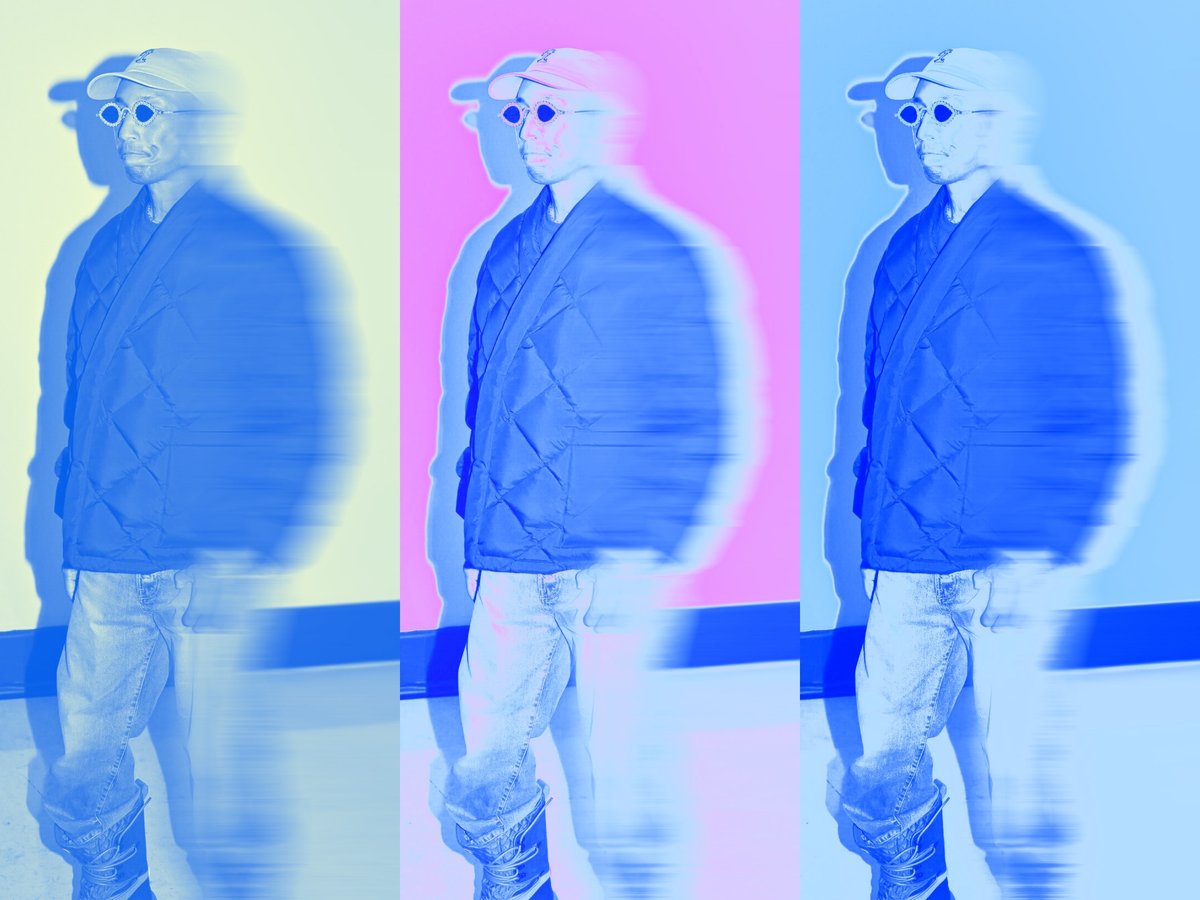
In February 2023, it was announced that Pharrell Williams would become the Men’s Creative Director of Louis Vuitton, filling the vacancy left by the passing of Virgil Abloh. Amidst speculation that the streetwear boom ignited by Virgil would fade, its momentum has only grown and evolved over the past two years.
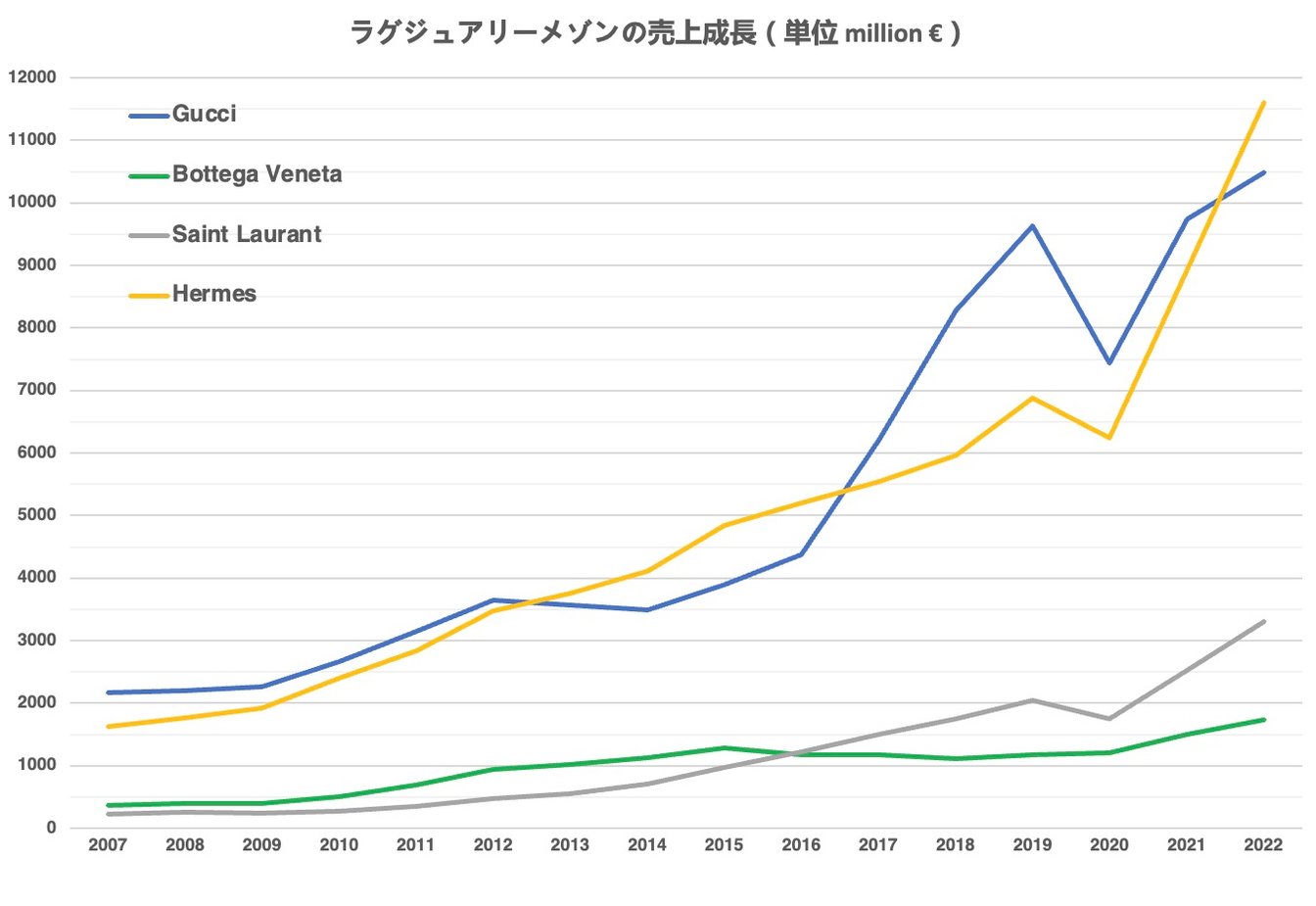
While the COVID-19 pandemic impacted fashion brands globally, 2022 saw a V-shaped recovery, particularly for luxury brands. During the pandemic, businesses and individuals with established global networks and credibility thrived, as commerce relied heavily on trust in the absence of face-to-face interaction. The luxury sector’s recovery, built on legacy and trust, was perhaps predictable.
Creative director transitions have been a major topic in fashion for the past 15-20 years. The pinnacle of this career path was Karl Lagerfeld. Since his tenure at Chloé, Fendi, and Chanel, leading a major house has been considered the pinnacle for a designer.
The appointment of an external creative director has become increasingly difficult. There are three main reasons: top candidates are already directors elsewhere; it’s hard to hire someone who left a previous role under negative circumstances; and successful founder-designians have little incentive to lead an existing mega-brand when they can grow their own.
Virgil Abloh was an exception, driven by a mission as an African-American designer at a French heritage house. Similarly, Simon Jacquemus, who built a business over 10 billion yen, aims for 750 million euros in sales by 2025—preferring to grow his own brand.
In the past, appointments like Marc Jacobs at Louis Vuitton (which had no ready-to-wear line then) or Hedi Slimane at Dior Homme (which didn’t exist before him) were experimental ventures. Today, the luxury business is a legacy, roughly eight times larger than two decades ago.
Most independent founder-designers run businesses in the tens of billions of yen, with only a few reaching hundreds of billions. Entrusting a brand with trillion-yen scale to a designer whose experience is 1/100th of that size is a significant risk for management.
After Virgil’s passing in November 2021, names like Wales Bonner, Martine Rose, and Telfar Clemens were floated as successors. However, the scale of Louis Vuitton’s men’s business—now worth trillions of yen—means there are virtually no individuals, let alone designers, with experience managing creativity at that level, aside from those already in such roles.
While teamwork is crucial, branding has traditionally centered on the image of a single, strong creative genius. However, Louis Vuitton’s men’s department produced three collections without a director. Despite media concern, the brand achieved a V-shaped recovery post-COVID, with sales reaching 2 trillion yen and showing no signs of slowing.
Stores remain busy, and the team took a bow together after shows—a moment that highlighted how strong creative direction can emerge from a strong team, even without a singular director figurehead.
Creative direction involves not just ideas, but also multi-layered communication and team management from atelier staff to executives and external collaborators.
According to insiders, Virgil excelled at boosting staff morale through communication—a skill likely honed as a founder-designer who built a large business himself. His greatest achievement as artistic director may have been building a team that could function in his absence and setting the brand’s overall direction.
The announcement of Pharrell Williams’ appointment was met with surprise and mixed reactions globally. Yet, in an era where a designer’s role has expanded to being a brand symbol and communicator, it made sense to many.
The massive vessel of the luxury brand, inflated by fan growth in emerging markets and now of an unprecedented scale, is supported not by fashion enthusiasts who track creative nuances, but by global consumers chasing the brand as a symbol. Filling the expanding void of the brand required a character large enough to fit the vessel.
Since Instagram became fashion infrastructure, it’s common for influential consumers to become influencers and entrepreneurs. What makes Pharrell unique is not just his music background, but that he is both a creator and a celebrity, and a self-proclaimed “ultimate consumer.” He engages with, owns, and confidently displays products across categories: clothing, watches, jewelry, furniture, cars, and art.
When Pharrell was appointed, the question became: what kind of image and products would be created by someone who is both a top-tier luxury consumer and a creator?
Pharrell’s serious entry into fashion was triggered precisely by “luxury consumption.” Introduced by jeweler Jacob Arabo of Jacob & Co. to fellow customer NIGO, he began his deep fashion involvement. The two co-founded Billionaire Boys Club in 2003. Pharrell started collaborating with Louis Vuitton in 2004, followed by projects with Karl Lagerfeld for Chanel, and a fragrance with Comme des Garçons, among others.
In January 2023, Louis Vuitton reported record sales exceeding 20 billion euros, and LVMH reached a record market capitalization. Around the same time, OpenAI released ChatGPT Plus and GPT-4, igniting an AI boom now indirectly affecting the entire industry.
While LVMH’s Tiffany announced a collaboration with Nike, ordinary people were using AI to design collaborative sneakers and posting them on social media. In this post-pandemic era of dynamic change, it’s worth reflecting on the period from Virgil’s absence to now.