Editor’s Note
While the broader diamond market faces significant price volatility and a sustained downturn, this analysis highlights a notable counter-trend: a rise in sales volume for smaller carat diamonds. This suggests shifting consumer priorities and potential new dynamics within the luxury goods sector.
In recent years, natural diamonds have experienced a continuous decline in prices. Looking at data from the international diamond trading platform IDEX, there has been a very obvious downward curve from July 2024 to May 2025.
According to the May diamond index released by RAPAPORT, which is used by the global diamond industry as a pricing benchmark, compared with the same period last year, 0.3-carat diamonds fell by 7.2%, 0.5-carat diamonds fell by 14.9%, 1-carat diamonds fell by 16.9%, and 3-carat diamonds fell by 11.5%.
In addition to traditional natural diamonds, cultured diamonds that have emerged in recent years have also entered the consumer market. With the mass production of laboratory diamonds, the price of cultured diamonds has also been falling. Nowadays, on online shopping malls, you can buy a 1-carat cultured diamond ring for around 1000 yuan.
Will young people pay for cultured diamonds?
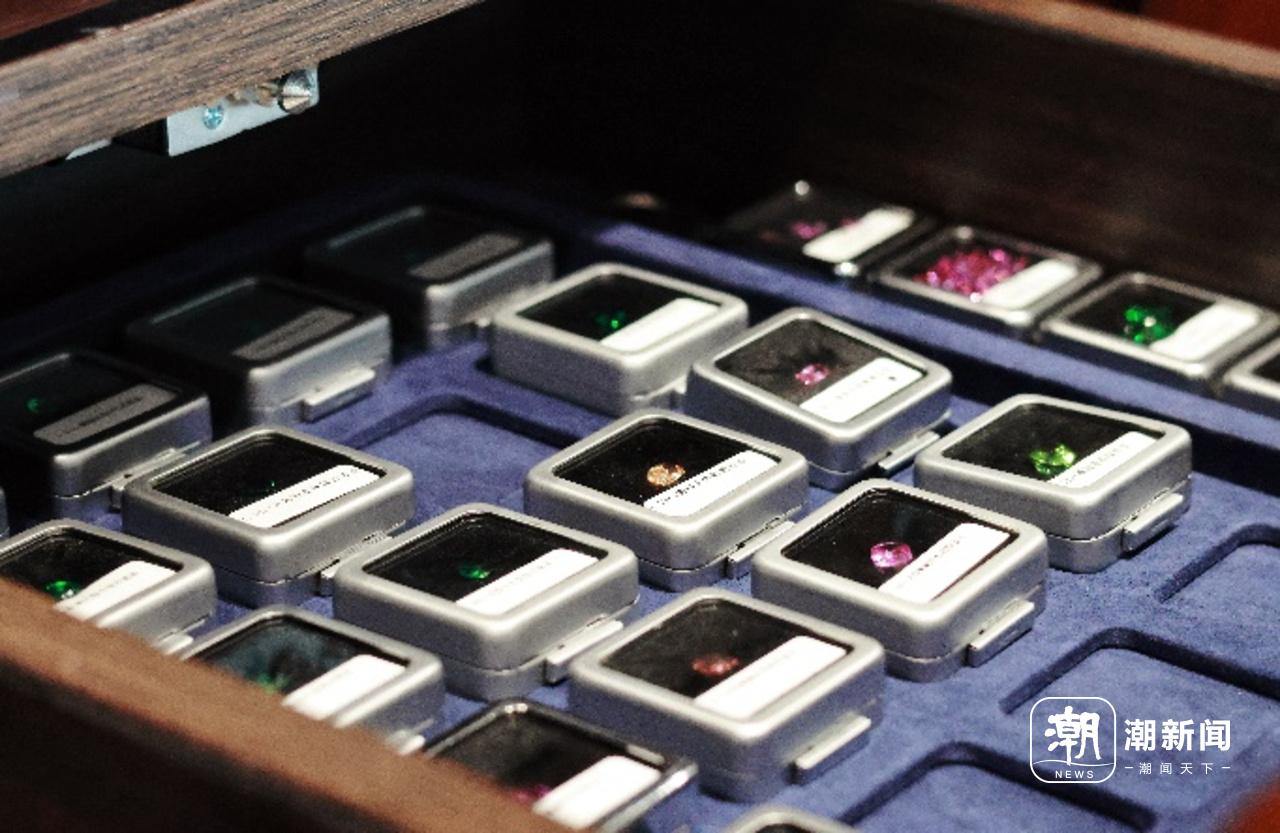
Lin Zongzheng said his store mainly deals in natural gemstones, but recently customers have also started inquiring about cultured diamonds. Although cultured diamonds have not become the mainstream choice, they occupy a place in the wedding market by virtue of their huge price advantage.
Although the increased production of cultured diamonds in the past two years has caused wholesale prices to continue to fall, even diamond giant De Beers planned to close its cultured diamond jewelry business Lightbox. However, cultured diamonds still occupy a part of the consumer market in Europe and America, and some consumers feel that cultured diamonds are more environmentally friendly.
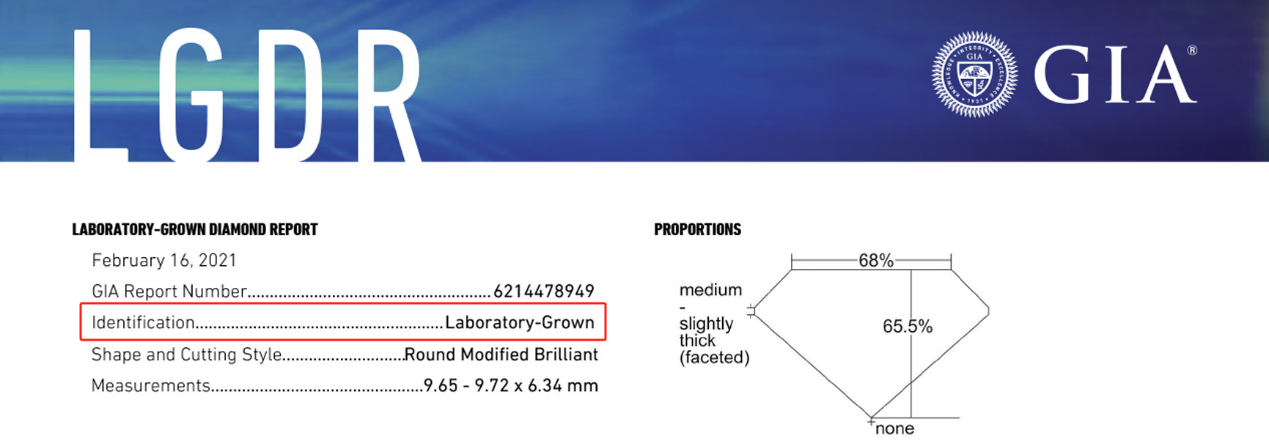
Cultured diamonds and natural diamonds also have obvious identification marks on certificates. On June 2, the diamond authority certificate issuer—Gemological Institute of America (GIA) announced that it will adopt a new set of terminology to define laboratory-grown diamonds, to further distinguish between natural diamonds and cultured diamonds. The new naming method will divide laboratory-grown diamonds into two categories—Premium or Standard, which will be defined through a combination of multiple indicators related to color, clarity, and cut.
In other words, GIA will no longer use the traditional natural diamond grading system to define man-made diamonds. In the future, the two categories of diamonds will have clearer distinctions on certificates. Currently, the pavilion of laboratory-grown diamonds will be marked with the words “Laboratory-Grown” and the corresponding GIA certificate number through laser engraving.
GIA certificates will clearly mark the words “Laboratory-Grown”.
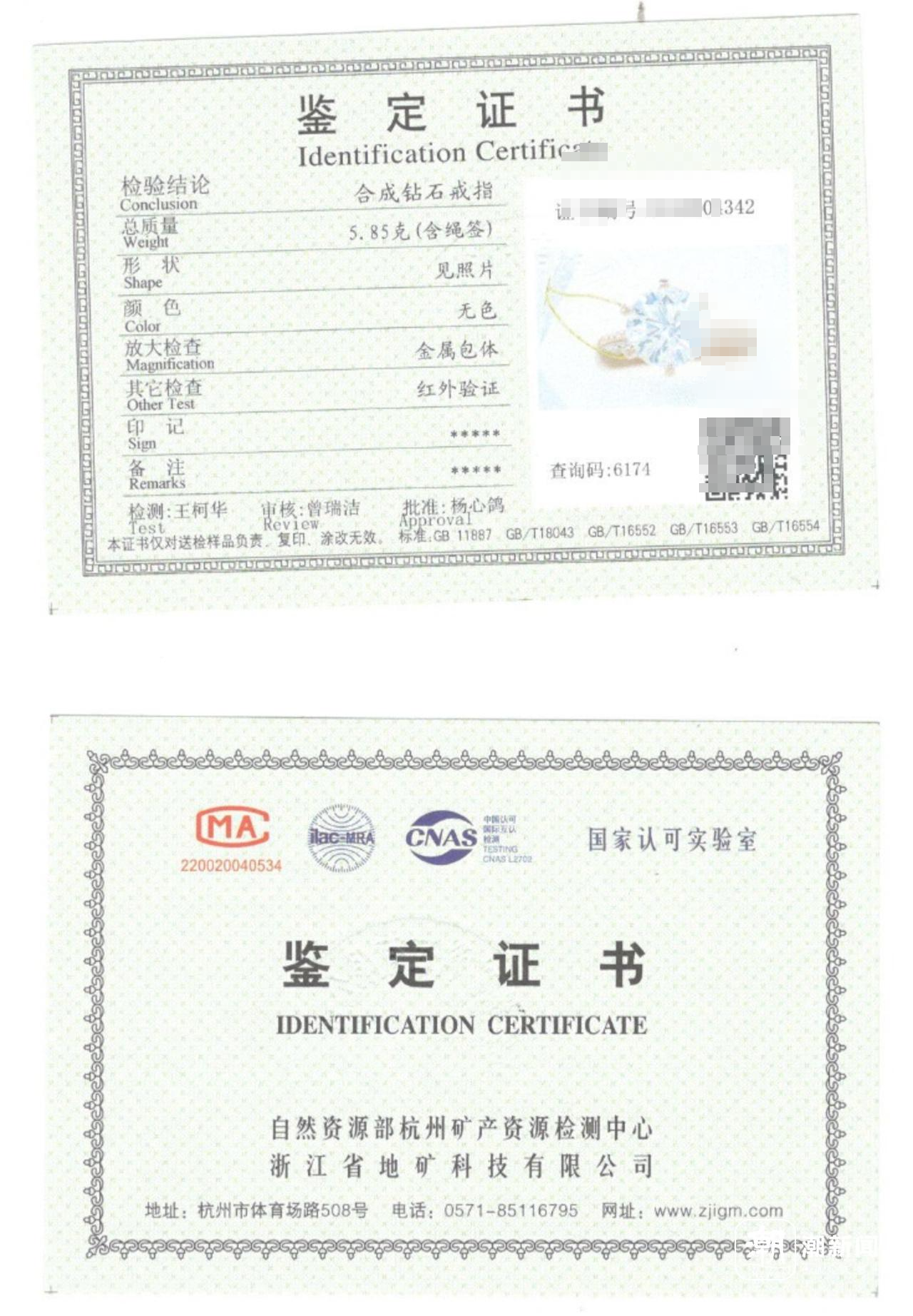
Lin Xinying, director of the appraisal center, told a reporter from Chao News during an interview that it is very difficult to distinguish between laboratory-grown diamonds and natural diamonds with the naked eye. Most can only be distinguished through laboratory instrument testing, and consumers need to be careful to distinguish.
The synthetic diamond certificate issued by the Zhejiang Province Gemstone and Jade Appraisal Center.