Editor’s Note
This analysis explores the growing imperative for sustainability within the watchmaking industry, examining how brands are responding to environmental challenges and evolving consumer expectations.

By Benjamin Teisseire
February 2022
Faced with the evident overexploitation of natural resources and climate disruption, the issue of sustainable development is becoming increasingly crucial. All industries and human activities are concerned. Watchmaking, and luxury in general, is no exception to this logic. Thus, for several years, the theme of “Corporate Social and Environmental Responsibility” (CSR) has become more pressing, even unavoidable. What is at stake for watchmaking? What does it represent in terms of pressure on the environment in the broad sense? How to assume its share of responsibility? In what way is CSR an opportunity for the sector? Analysis.

Watchmaking is, by nature, durable. Like luxury, it is defined by rarity, therefore an economy of materials, and by a long usage period, as opposed to “disposable” consumption. This is an undeniable asset. However, there is a structural flaw related to the origin of the resources used and the distribution of margins from sales.
Céline Dassonville, CEO, Ethiwork
The WWF study “Impact de l’or” (Impact of Gold) from November 2021 emphasizes the enormous weight of watchmaking and jewelry in the consumption and production of gold. Indeed, out of the global demand for the precious metal of 4,800 tons (2019 figures), the two related sectors represent between 2,100 and 2,400 tons. Add to this the 100,000 tons of waste rock produced to extract one ton of the precious metal, as well as the 12,500 tons of CO2 emissions necessary to produce that same ton, and the sector’s responsibility is clear.
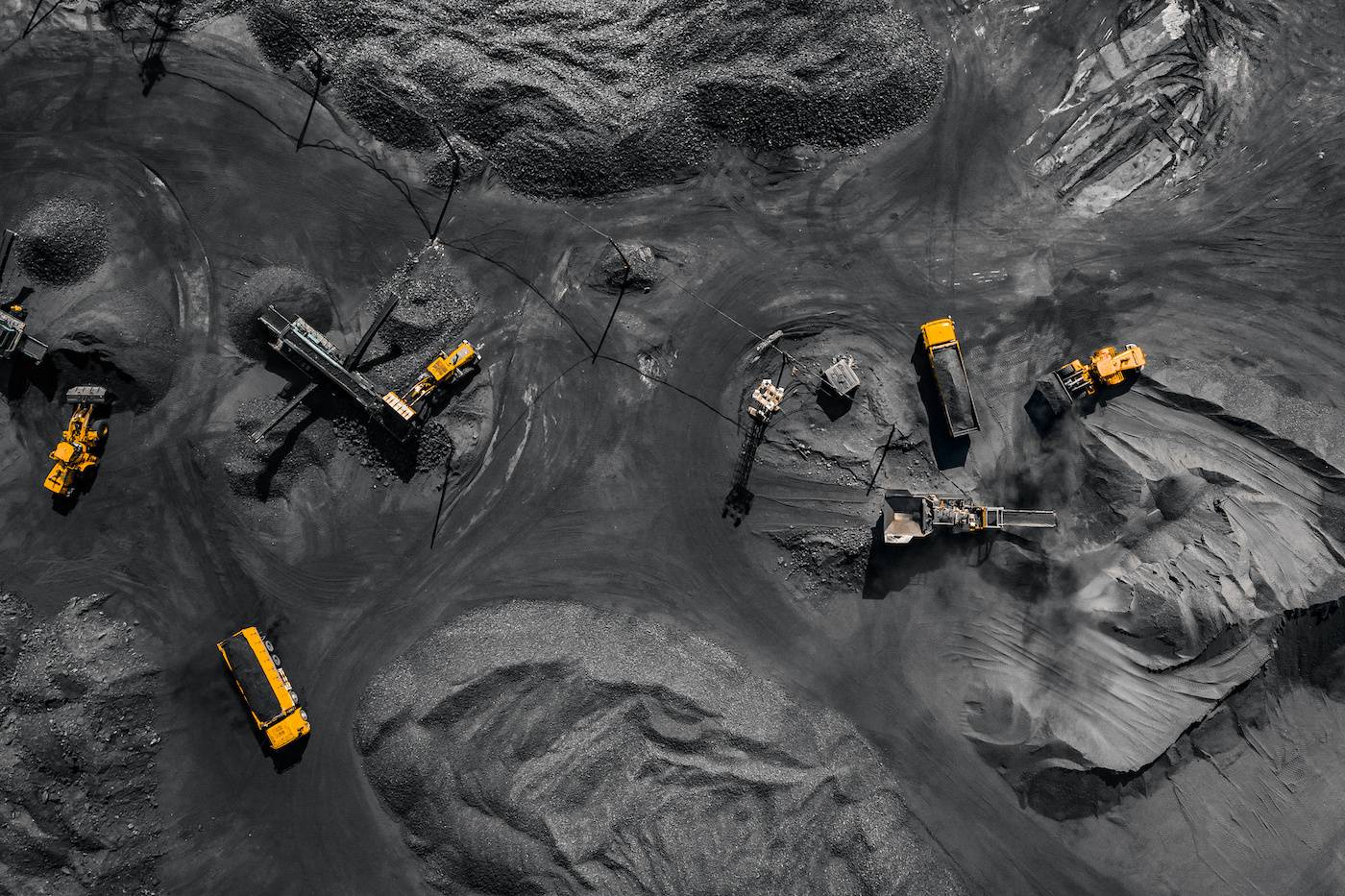
Out of the total annual global gold demand of around 4,800 tons, watchmaking-jewelry accounts for about half, between 2,100 and 2,400 tons.
And this is without counting the mercury pollution of soils and waters, the negative impact on flora and fauna, the destruction of forests and their fragile ecosystems. For example, gold production generates 42% of global mercury emissions, compared to 21% for coal combustion or 10% for cement production!
The human impact is also far from negligible. The production sector employs between 10 and 15 million workers, and more than 100 million people depend on this activity (including large, small, and artisanal enterprises).
Some might argue that only 2.6% of the 15.7 million watches exported from Switzerland are made of precious metals. But this represents 35.4% of the 21.2 billion francs in export value (FH 2021 figures). This shows the importance of precious metals for Swiss watchmaking revenues. And confirms the responsibility that falls on the sector.
Finally, the WWF study highlights another worrying fact: the glaring lack of transparency in the supply chain regarding this matter. This is another point on which the entire sector will have to work.