Editor’s Note
This analysis highlights the structural pressures shaping the platinum market. Driven by tightening global emissions standards, demand for the metal in catalytic converters is set to rise, while supply remains constrained following pandemic disruptions and concentrated production. This imbalance suggests a sustained market deficit ahead.
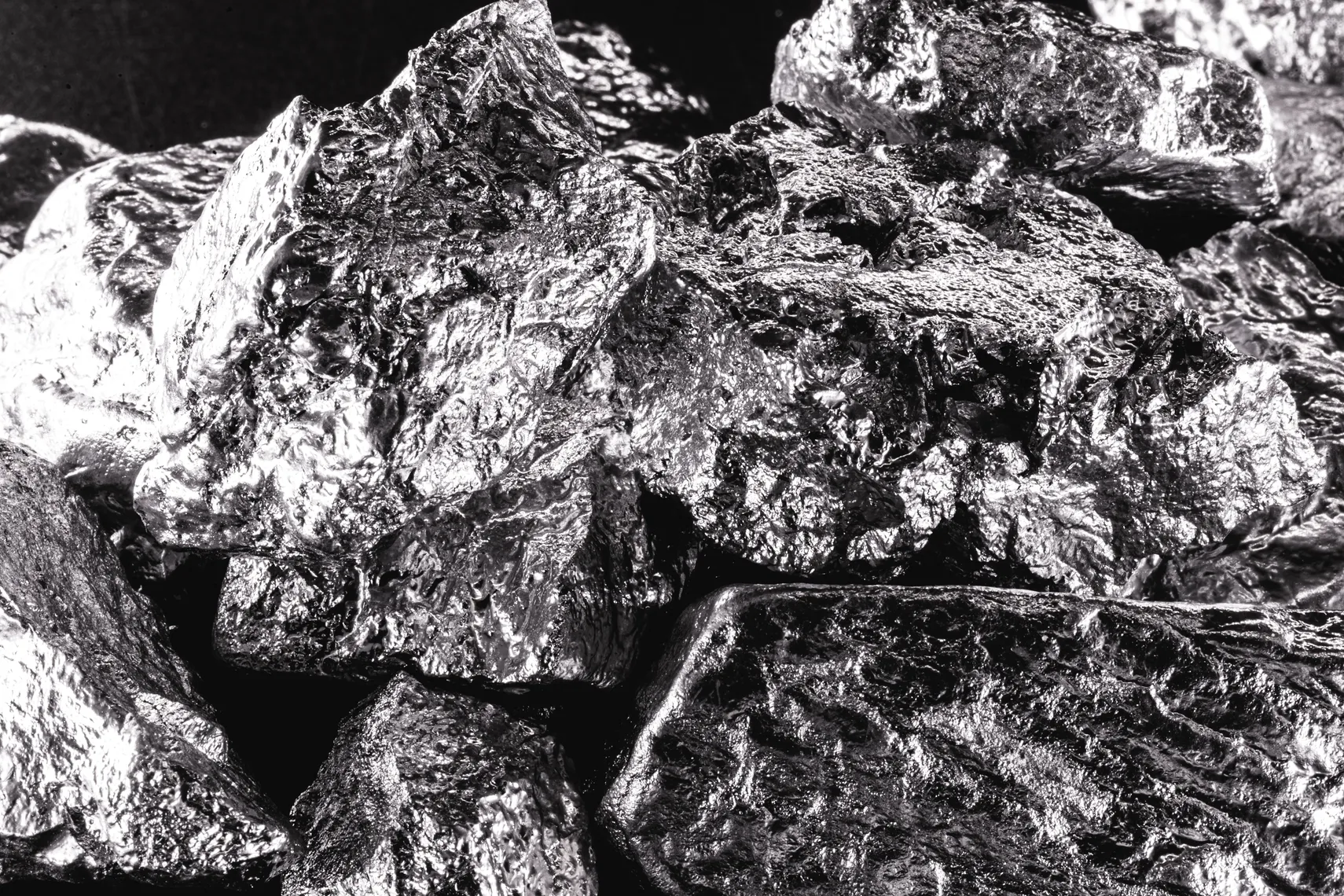
Platinum is used in diesel vehicle engine catalysts to reduce carbon emissions. Demand is expected to increase in the coming years as governments worldwide are setting stricter emission limits in an effort to curb climate change.
The metal is mined primarily in South Africa and Russia, with some production in Zimbabwe, Canada, and the United States. Last year, production was limited at the onset of the COVID-19 pandemic, reducing supply in the face of rising demand from manufacturers.
According to Markit Economics, the recovery of the global manufacturing sector regained momentum early in the second quarter. Monthly Purchasing Managers’ Index (PMI) data for the manufacturing sector showed that output grew at the fastest pace in over a decade, while new order inflows recorded the largest increase in nearly 11 years. JPMorgan’s global manufacturing PMI rose to 55.8 in April, its highest level since April 2010. A figure above 50 indicates an expansion in activity.
The automotive industry recovered quickly from the COVID-19-driven slowdown in 2020, and the platinum market saw its largest recorded supply deficit of 932,000 ounces, according to the World Platinum Investment Council (WPIC). Although global demand from the automotive, industrial, and jewelry sectors combined fell by 569,000 ounces last year (a 7% drop from 2019), there was a 20% decline in mine production and a 10% drop in recycling, causing global supply to fall by 1.4 million ounces, or 17%.

The Council forecasts that, with the widespread rollout of COVID-19 vaccination programs allowing economies to return to normal, platinum demand will increase by about 254,000 ounces, or 3%, to 7.99 million ounces in 2021, while supply will increase by around 17%, or 1.1 million, to 7.9 million. This will result in a deficit of about 60,000 ounces, putting the market in deficit for the third consecutive year.
In the jewelry market, same-store sales growth for platinum jewelry surged 79.6% year-on-year during the first quarter of 2021 in mainland China, the world’s largest market, and experienced a 62.8% year-on-year increase in Hong Kong and Macao. With the upward trend in platinum prices, sales could increase further if consumers view jewelry as a good investment, as noted by Heraeus analysts.
Looking ahead, research is also being conducted on the use of platinum in lithium-air and lithium-sulfur batteries for electric vehicles to improve their performance.
The spot price of platinum rose above $1,300 per ounce on February 15, for the first time since September 2014, in response to the current supply deficit and optimism about rising demand.

The price of platinum rose 13% in 2020 to end the year at $1,072.12 per ounce. On January 11, it retreated to $1,035.56 per ounce before rising to the February high. The price retreated again but recorded a higher low on March 4, reaching $1,129.55 per ounce. Since then, the price has trended upward and maintained a range between $1,200 and $1,255 per ounce so far in May.
In early May, bullish flows in the spot market for platinum and palladium trades have been the highest since July 2020, according to analysts at French bank Societe Generale.
Will the platinum market continue to rise this year given the forecast supply deficit? Analysts at Dutch bank ABN AMRO are optimistic about platinum price prospects, noting in a recent analysis that not only will demand for catalysts in diesel engines to reduce emissions increase, but the adoption of fuel cell vehicles will further boost demand.

Analysts at Australian bank ANZ are more cautious, expecting the price to rise above $1,300 per ounce again by 2022, but forecasting it will fall back to $1,250 per ounce by the end of June 2022.