Editor’s Note
India is proceeding cautiously in its FTA negotiations with the GCC, particularly regarding gold. As this article outlines, the government is reluctant to offer tariff concessions on the precious metal, citing a surge in imports under a previous pact, concerns over rules of origin, and the need to protect domestic interests and revenue.
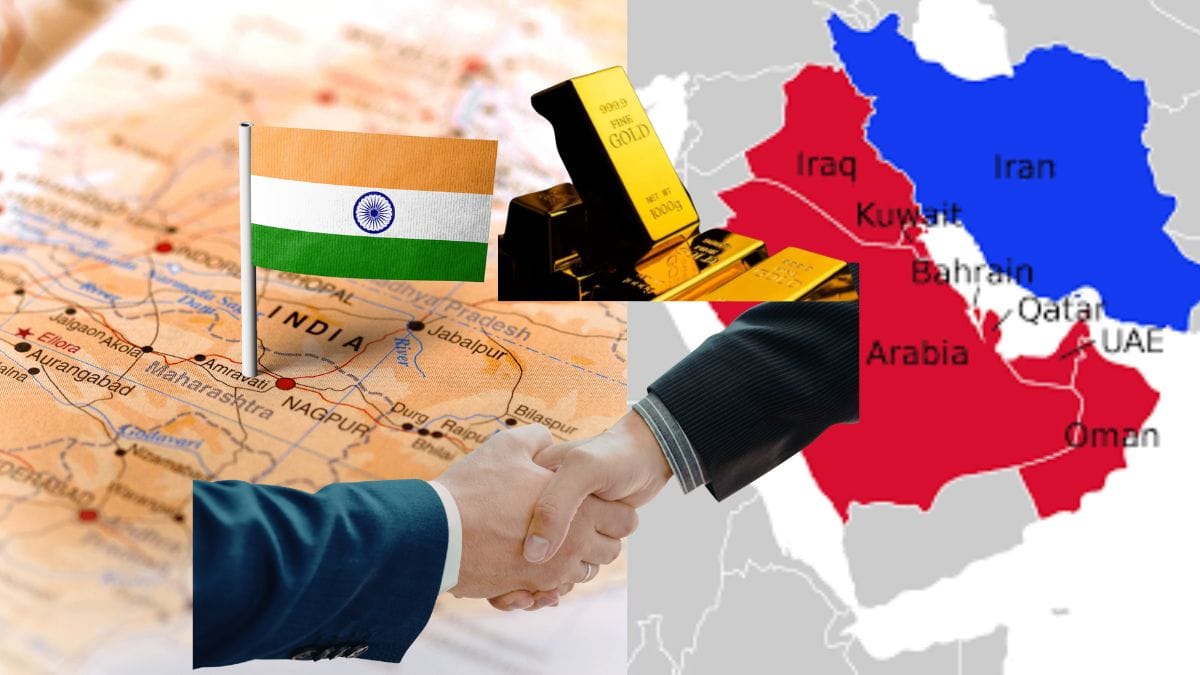
The Indian government is not in favor of granting tariff concessions on gold in the proposed Free Trade Agreement (FTA) with the Gulf Cooperation Council (GCC). Precious metals may be kept out of the concession list, similar to the approach taken in the Oman CEPA. The government is cautious following a sharp increase in gold imports from the UAE and issues related to Rules of Origin. Additionally, the government aims to protect domestic market and revenue interests.

The government had excluded gold and silver bullion from tariff concessions in the Comprehensive Economic Partnership Agreement (CEPA) with Oman. A similar stance could be adopted in the negotiations with the GCC. The objective is said to be the protection of the domestic market and revenue interests.
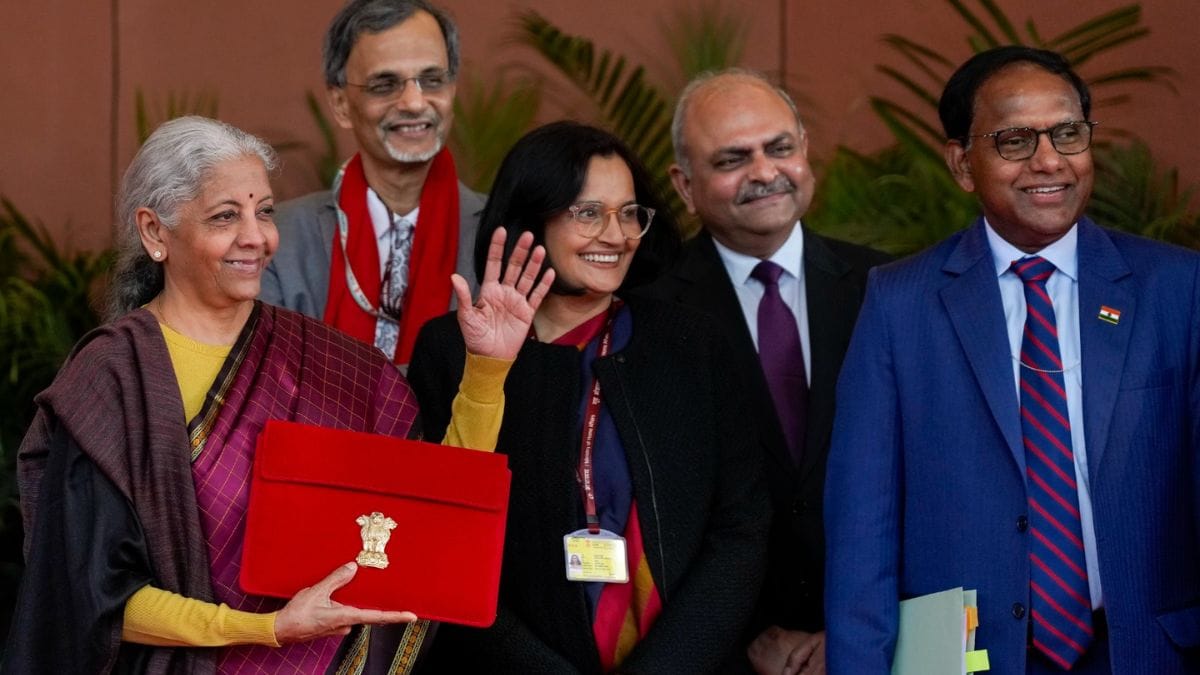
Negotiations between India and the GCC, which has six member countries, have resumed. The GCC member countries include the UAE, Saudi Arabia, Qatar, Kuwait, Oman, and Bahrain. These countries recently signed the Terms of Reference, formally restarting the long-paused FTA talks. The agreement covers important areas such as trade in goods and services, investment, customs procedures, and dispute settlement.
The Comprehensive Economic Partnership Agreement (CEPA) between India and the United Arab Emirates came into effect in May 2022. Under this agreement, India set a fixed quota for gold imports with a concessional basic customs duty rate of 1%. Following this concession, gold imports from the UAE increased rapidly. While imports were $5.8 billion in FY2022, they rose to approximately $16.8 billion by FY2025, recording an almost threefold increase. This sharp rise raised concerns among policymakers about market imbalance and revenue impact.
According to the report, some bullion imports did not meet strict Rules of Origin standards. Regulatory tightening was later implemented to prevent potential misuse of the concessional tariff. This is why the government now appears more cautious regarding gold. Bilateral trade between India and the GCC reached $179 billion in FY25. India exports food products, textiles, jewelry, pharmaceuticals, and engineering goods, while energy imports from Gulf countries form a significant part of trade. Therefore, this agreement could have a broad economic impact.