Editor’s Note
This article highlights a shift in Diwali decorations, where traditional materials for rangoli are being supplemented or replaced by new, ready-made varieties like pearls, beads, and cloth. It reflects evolving consumer preferences and market trends during the festive season.
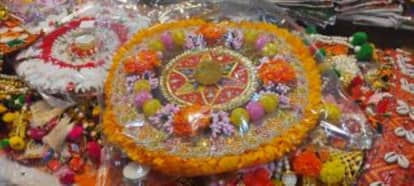
As Diwali approaches, markets are filled with various beautiful items for home decoration. This time, instead of traditional colors, powders, and flowers, rangoli mats made of pearls, beads, cloth flowers, and wool are attracting customers significantly. They are available in sizes ranging from small to large and in various designs. This year, rangoli mats with plastic sheets are less popular.
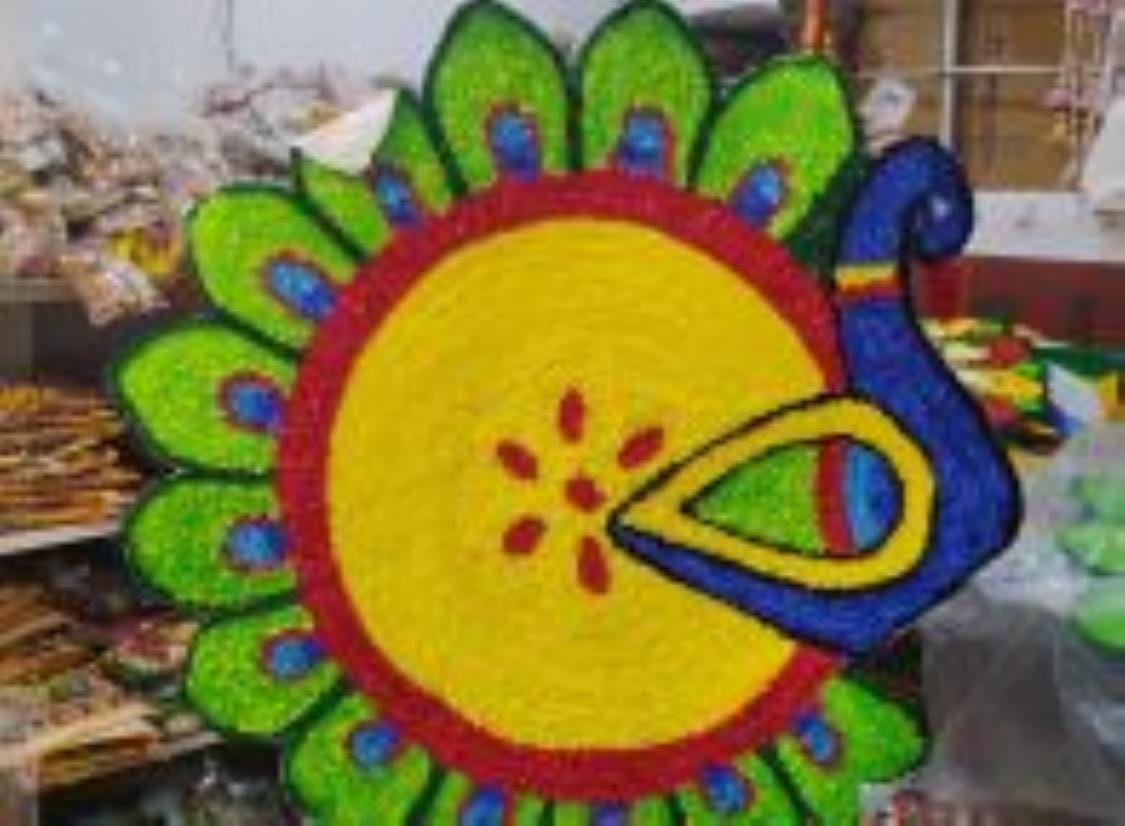
Since 11 AM, crowds of women have been seen at shops in Aminabad. Shopkeepers reported that this year, rangoli mats made of wool are quite popular. Their special feature is that they look exactly like rangoli made with real flowers.
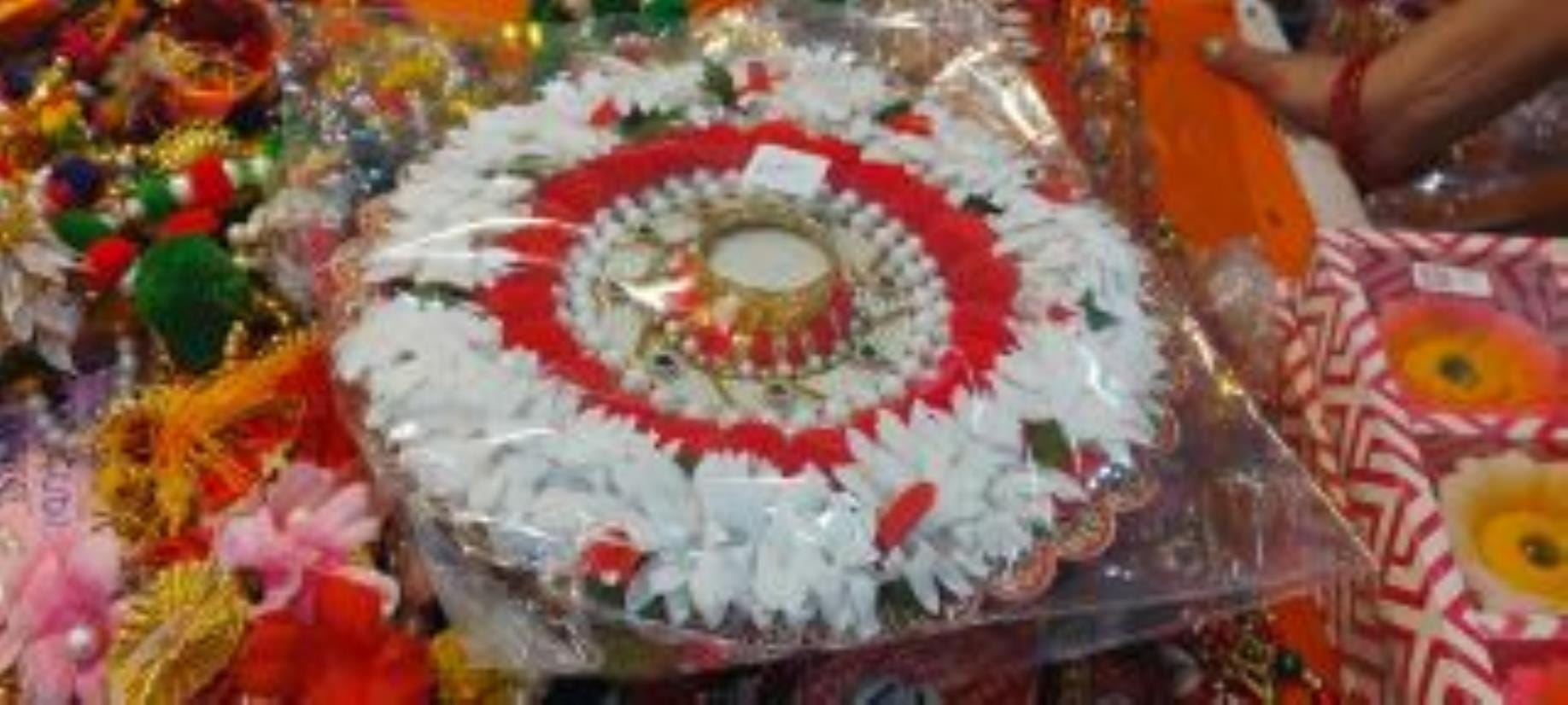
These rangoli mats can be washed and reused for home decoration. Additionally, rangoli made of pearls, beads, and cloth flowers are also very appealing to customers. They look extremely beautiful. They are decorated with cloth leaves, stones, stars, etc., which greatly enhance the beauty of the home. They are also eco-friendly. They can be used for two to three years.
– Wool embroidered rangoli mats: 300 to 1,200 rupees
– Rangoli mats with plastic flowers and pearls: 600 to 2,000 rupees
– Rangoli mats with plastic sheets: 120 to 500 rupees