Editor’s Note
This article examines the background of Israeli businessman Dan Gertler, whose sanctions were recently reimposed by the Biden administration over corruption allegations in the Democratic Republic of Congo’s mining sector. It details his rise and close ties to former President Joseph Kabila.
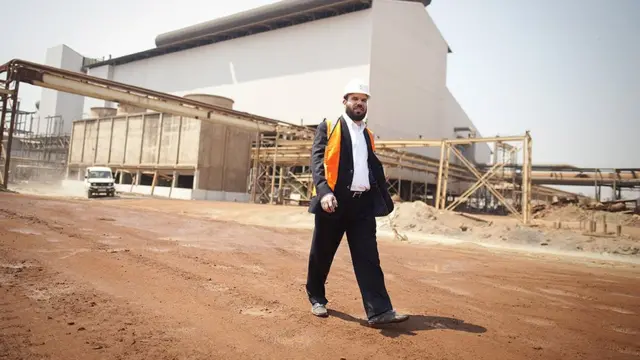
The Biden administration recently reimposed sanctions on Israeli businessman Dan Gertler due to alleged massive corruption in the lucrative mining sector of the Democratic Republic of Congo.
Journalist Franz Wild examines his remarkable rise and his alliance with former President Joseph Kabila, which even saw him appointed as a Congolese diplomat.
The sanctions were introduced for his allegedly corrupt relationship with former DRC President Joseph Kabila, helping him amass a vast fortune through copper and cobalt contracts in the country, which both men deny.
In two decades, Mr. Gertler, now only 47, became one of the most powerful businessmen in the DRC. He gained control over multinational mining companies fortunate enough to exploit the country’s extraordinary reserves of copper, cobalt, tin, gold, and diamonds. On occasion, Mr. Gertler also became a key diplomatic emissary for Mr. Kabila.
Hiring Mr. Trump’s lawyer, Alan Dershowitz, also proved fruitful. In its final days, the Trump administration granted Mr. Gertler a so-called sanctions license, which gave him access to his frozen funds and the international banking system for one year.
In March, however, his situation reversed dramatically. After an outcry over the sanctions license from anti-corruption activists, US Congress members, and former State Department officials, Mr. Gertler became an early example of President Joe Biden’s declared commitment to a foreign policy based on principles, including cracking down on international corruption. The administration revoked the license.
Mr. Dershowitz complained that the US had revoked the sanctions license “unilaterally,” without giving Mr. Gertler the opportunity to prove he was complying with commitments he had made to allow an external observer to monitor his activities and report on his financial transactions.
The power and influence wielded by the businessman and the symbolism of the sanctions were captured by the US statement.
In the DRC, Mr. Gertler acted as an intermediary between the country and multinational corporations and also managed businesses on behalf of Mr. Kabila, according to the US sanctions announcement. Now that President Felix Tshisekedi, in power since 2019, is gradually wresting control from Mr. Kabila over the DRC’s political establishment, the US wants Mr. Gertler to be contained as well.
The son of a prosperous diamond-dealing family from Tel Aviv and a football enthusiast, Mr. Gertler arrived in the DRC in 1997, shortly after Mr. Kabila’s father, Laurent-Désiré, came to power.
In 2000, when a civil war threatened to end Kabila’s rule as suddenly as it had begun, Mr. Gertler promised millions of dollars and, according to a UN report, access to weapons—the two things that could best help the new leader stay in power. In return, he obtained a monopoly on the DRC’s significant diamond exports.