Editor’s Note
This article references a UN expert’s concerns regarding labor practices in Egypt’s jasmine industry, based on BBC evidence. The original quote was truncated in the provided text.
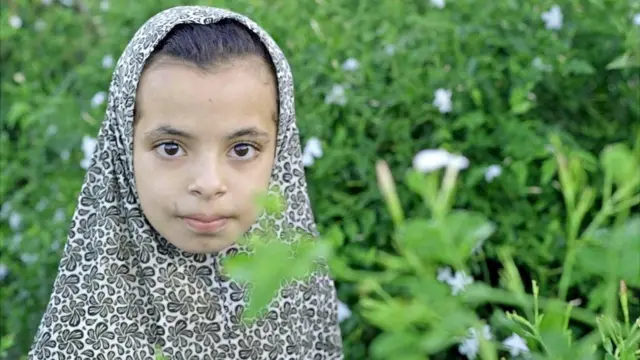
Tomoya Obokata, the UN Special Rapporteur on contemporary forms of slavery, expressed concern over evidence obtained by the BBC, including undercover footage from Egyptian jasmine fields during last year’s harvest season.
Children have been used to harvest ingredients for suppliers to two major beauty product companies. A BBC investigation into perfume supply chains found that jasmine used by suppliers for Lancôme and Aerin Beauty was picked by children.
Following these findings, L’Oréal, owner of Lancôme, stated it is committed to human rights. Estée Lauder, owner of Aerin Beauty, said it had contacted its suppliers to clarify the situation.
The jasmine used by Lancôme in the Idôle L’Intense perfume and by Aerin Beauty in the Ikat Jasmine and Limone Di Sicilia fragrances comes from Egypt, which produces roughly half of the world’s supply of these flowers, a key perfume ingredient.
It is difficult to know exactly how many of the 30,000 people working in Egypt’s jasmine industry are minors. But during the summer of 2023, we filmed across the region and spoke with many residents who told us that low wages force them to put their children to work.

We have discovered that the audit systems used by the perfume industry to monitor supply chains are highly deficient.
Heba – who lives in a village in the Gharbia district, the heart of Egypt’s jasmine region – wakes her family at 03:00 to start picking the flowers before the sun’s heat damages them.
Like most jasmine pickers in Egypt, she is what is known as an “independent picker” and works on a small farmer’s land. The more she and her children pick, the more they earn. The night we filmed, she and her children managed to pick 1.5 kg of jasmine flowers. After paying one-third of their earnings to the landowner, she was left with about $1.50 for that night’s work. This amount is worth almost nothing, considering inflation in Egypt has reached record highs and pickers often live below the poverty line.
Basmalla, Heba’s 10-year-old daughter, has been diagnosed with a severe eye allergy. At a medical consultation we attended with her, the doctor told her that her vision would be affected if she continued picking jasmine without undergoing treatment for the inflammation.
Once harvested and weighed, the jasmine is transported through collection points to one of several local factories that extract oil from the flowers: the three main ones are A. Fakhry and Co, Hashem Brothers, and Machalico. Each year, it is the factories that set the price of jasmine picked by people like Heba. Pickers told us the low price of jasmine forced them to make their children work.

We witnessed that in four different locations, a significant number of pickers working on small farms – which supply the main factories – were children under 15. Multiple sources also told us there were children working on farms directly owned by the Machalico factory. It is illegal for children under 15 to work in Egypt between 19:00 and 07:00.
The factories export jasmine oil to international fragrance houses that create the perfumes. Switzerland-based Givaudan is a major player and maintains a long-standing relationship with A. Fakhry and Co.
But it is the perfume companies above them – including L’Oréal and Estée Lauder – that hold all the power. Industry insiders informed us that a handful of companies owning many luxury brands are cutting their budgets, making wages in their supply chains very low.
*Article Information*
Authors: Ahmed ElShamy and Natasha Cox
Author Title: BBC Eye Investigation

29 May 2024