Editor’s Note
This article examines the devastating human cost of geopolitical conflict, tracing a line from sanctions on Russian diamonds to a wave of suicides in India’s diamond polishing capital of Surat. It highlights how global policy decisions can have profound and tragic consequences for vulnerable workers thousands of miles away.
Russia’s invasion of Ukraine prompted the European Union and the Group of Seven (G7) to ban imports of Russian diamonds via third countries, severely restricting the supply of key raw materials needed by India’s diamond industry.
When the ban took effect in March 2022, India’s diamond revenue was almost cut by a third, leaving thousands unemployed or facing significant pay cuts.
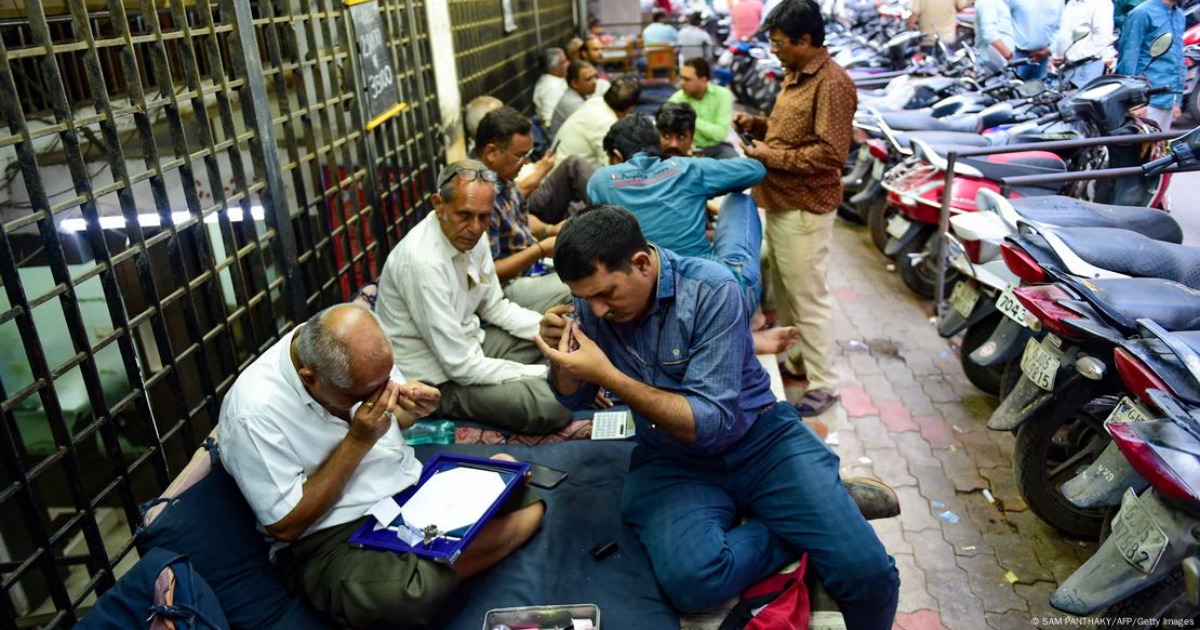
In the past 16 months, at least 63 diamond polishers have committed suicide in Surat. According to local media reports, several of those who took their own lives mentioned financial distress in their suicide notes.
Jagdish Khunt, president of the Surat Diamond Traders Association, shares the same pessimistic view.
India’s exports of cut and polished diamonds fell by 27.6% in the 2023-2024 fiscal year, with significant reductions particularly to its three largest customers — the United States, China, and the United Arab Emirates.
Navadiya said the result is that companies are holding about three times the normal level of inventory.
Ramesh Zilariya, president of the Gujarat Diamond Workers Union, spends a lot of time answering calls to the suicide helpline they launched on July 15.
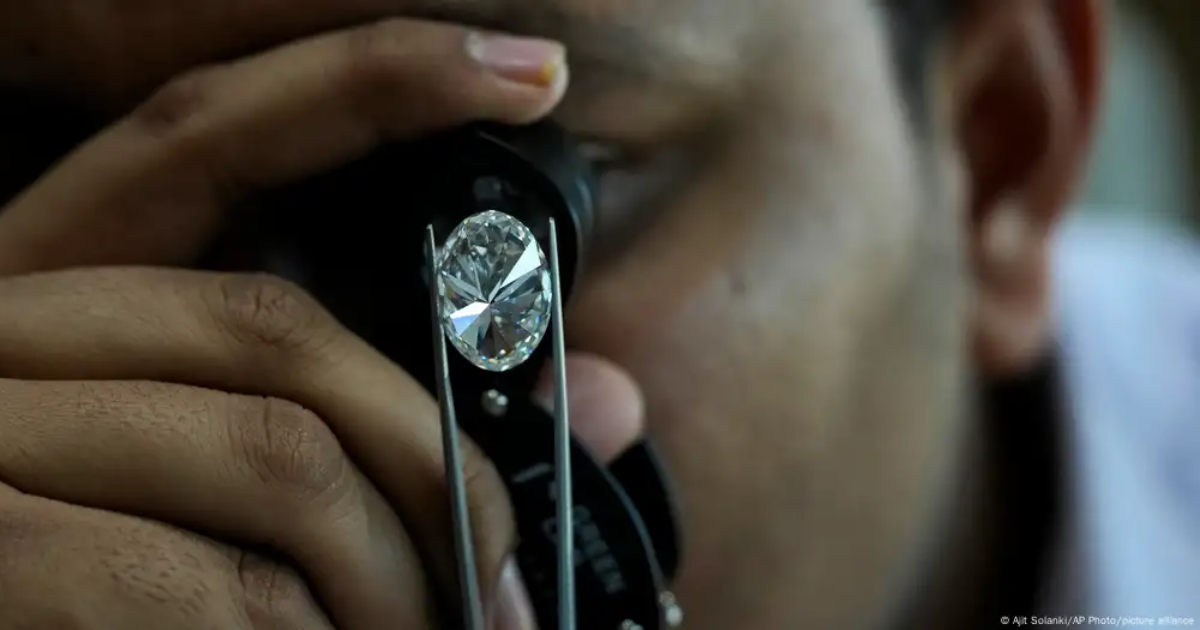
However, Zilariya said not everyone can receive financial assistance. “We try to find jobs for those who call, but the only thing they know how to do is polish diamonds.”
Manoj, a 45-year-old diamond polisher from Surat, was laid off in May this year after three decades in the profession.
He eventually found work as a “delivery boy.” The pay is low, and the employer does not reimburse fuel costs.
As the sole breadwinner for a family of six, he is two months behind on rent, cannot pay his eldest child’s school fees, and has pawned his wife’s Mangalsutra (a sacred gold necklace for Hindu women), earrings, and a gold ring.
Neither the government nor the diamond workers’ union has complete data on how many people have lost their jobs, as parts of the diamond industry, like many other sectors in India, operate informally.
The union president estimates that at least 50,000 polishers have lost their jobs in the past six months; over the past 18 months, the number of unemployed runs into the hundreds of thousands.
Those fortunate enough to remain in the industry also face severe wage cuts, with salaries falling by 30% to 40%.
GJEPC regional chairman Navadiya said many companies have switched to a four-day work week to save money. They have also reduced daily working hours.
The Gujarat Diamond Workers Union has written to the local government several times calling for economic assistance programs. The most recent letter was sent in late July.
They are demanding the reinstatement of “Ratandeep Yojana” — a training program aimed at upskilling diamond workers, a policy launched by Modi in Gujarat during the 2008-2009 economic crisis. Modi was the state’s chief minister at the time and is now India’s prime minister.
The union is also demanding financial aid for the families of workers who have died by suicide.
In April this year, Indian Foreign Minister S. Jaishankar expressed concern about the consequences of the G7 ban on Russian diamonds during an event in Surat.
In May, Reuters reported that the United States was reassessing the strictest part of the ban on Russian diamonds after opposition from jewelers in India, Africa, and even New York.