Editor’s Note
LVMH’s stronger-than-expected Q4 sales offer a hopeful signal for the luxury sector’s recovery in Asia, even as it navigates persistent economic headwinds.
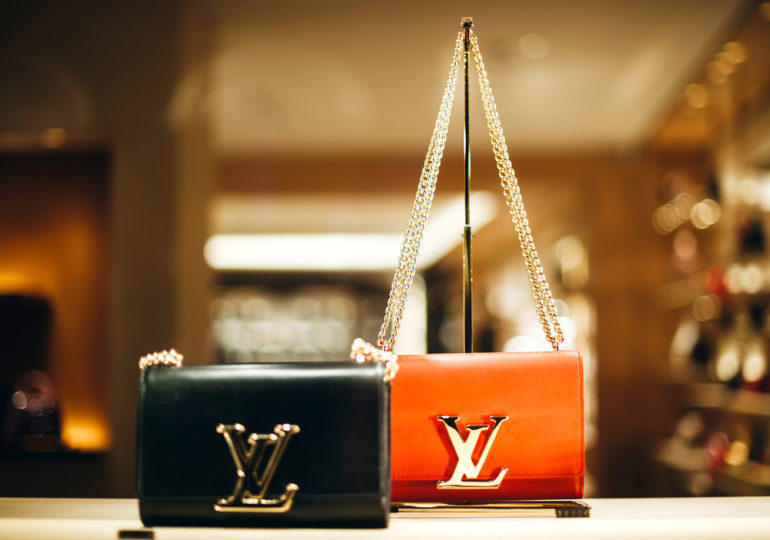
LVMH, the conglomerate which owns luxury brands Louis Vuitton and Tiffany, outperformed fourth-quarter sales projections on Tuesday. This development has raised expectations of a revival within the luxury sector, despite challenges including trade conflicts, a depreciating dollar, and elevated gold prices impacting profit margins.
In the final quarter, the leading luxury firm posted overall sales of 22.7 billion euros (US$27.1 billion). This represents a 1 per cent increase on a comparable basis, outperforming predictions of a 0.3 per cent decrease as per Visible Alpha’s consensus forecast.
The France-based conglomerate revealed indications of resuming growth in Asia, with domestic Chinese sales seeing an uptick in the quarter. This supports the trend of recovery that the retail giant has been witnessing over the last few months.
The watches and jewellery division of LVMH experienced a sales growth of 8 per cent in the quarter, surpassing expectations. However, revenue from its main fashion and leather division, which contributes most to the overall profits, saw a 3 per cent decline when adjusted for currency fluctuations – a figure that was in line with projections.

The luxury sector is slowly recovering from a prolonged slump, and recent positive results from industry peers Richemont and Burberry, bolstered by a rebound in China, have been encouraging.
However, despite the promising results, LVMH’s CEO and billionaire owner, Bernard Arnault, signaled caution for the future, stating plans to restrict costs and expenses.
The conglomerate’s operating profit for 2025 dropped by 9 per cent, with margins affected by a range of factors including currency movements, US tariffs impacting alcohol exports, and record gold prices escalating import costs for jewellery.
Amid a real estate crisis and stiff local competition in China, LVMH has been strategically leveraging its financial strength to gain an edge. This approach has seen the opening of a large, ship-shaped Vuitton store in Shanghai and a new Dior flagship store in Beijing, among other initiatives.
Chinese customers, including international tourists, comprise nearly one-third of LVMH’s fashion and leather sales, as per UBS estimates.
During its last trading update, LVMH’s positive remarks about slightly improved Chinese demand led to a rally in the luxury stock market, adding nearly $80 billion to combined company valuations.
The company stated that the weaker dollar had resulted in US tourists spending less in Europe, with regional sales dropping 2 per cent last quarter. Conversely, US sales rose by 1 per cent in the same period. Sales in Asia, including China, increased by 1 per cent.