Editor’s Note
The term “blood diamond” carries a heavy legacy of conflict and human suffering. This article explores the potential for change within the diamond industry, highlighting emerging alternatives that aim to sever this tragic link.
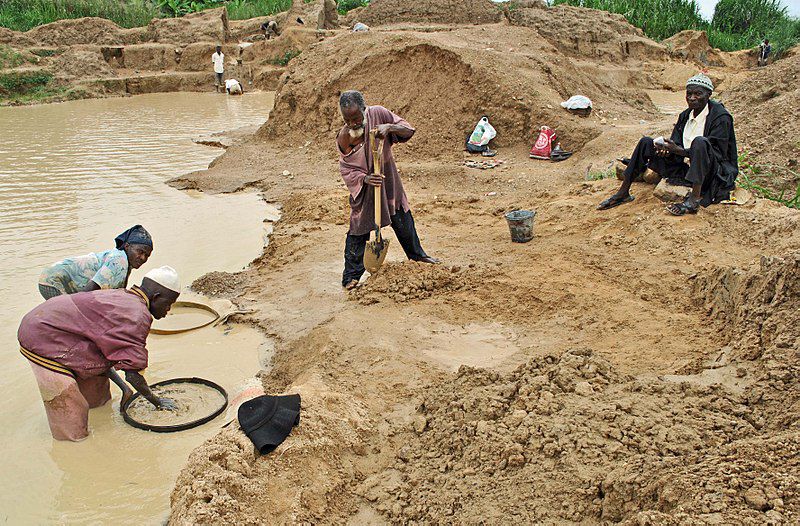
The diamond market has historically been linked to war zones. In fact, it is estimated that today, one out of every four diamonds mined comes from a conflict zone. These are called “blood diamonds.” However, this could change.
Scientists have recently developed an option that could alleviate this type of exploitation. It is a synthetic method for growing these stones, which would be produced inside a virtual microwave oven. The extraordinary aspect of this technique is that the diamonds would not only be imitations but would have the same structure and chemical composition, with their artificial nature only being detectable by verification machines.
In this way, the diamond market could shift in this direction and move away from the industry most associated with war zones. In fact, according to Ticbeat, a survey of Americans aged 18 to 35 revealed that less than half of them would prefer a natural gemstone.
Added to this is the price difference for artificial diamonds. Besides offering a more environmentally benign possibility and a more ethical framework for production, they would cost about 40% less than a natural diamond.
While acknowledging that the lab-grown diamond industry is just beginning, Vishal Mehta, CEO of IIAA Technologies, a company involved in this production, expressed optimism about the market’s future.