Editor’s Note
This article outlines the concept of mineral value addition—the process of transforming raw minerals into higher-value products. A strategic approach to this practice can drive economic growth, create jobs, and foster technological advancement.
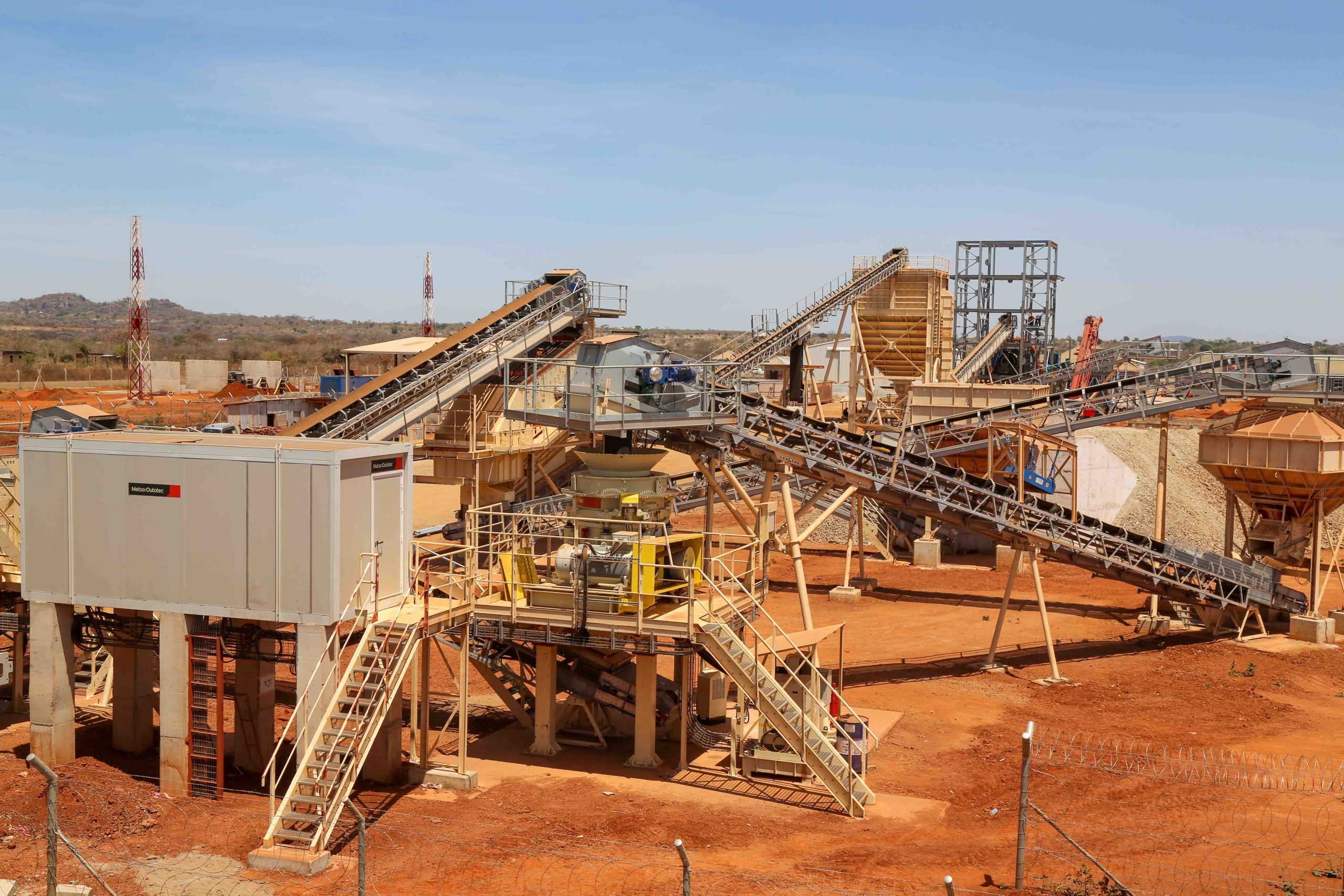
Mineral Value Addition is the process of improving raw minerals by processing and transforming them into intermediate or final products that have higher market value.
This process involves several crucial steps that can increase revenue, employment and technological development in the country. A comprehensive strategy for adding value to minerals considers market demands, technological capabilities, infrastructure and regulatory environments to boost the economy for the benefit of society and the nation.
Value addition of minerals is implemented through private sector, public sector, collaboration between public and private sectors, mining stakeholders and research institutions to achieve specific goals.
Mineral value addition steps include; beneficiation, processing, refining and manufacturing.
Beneficiation involves the physical or chemical separation of minerals from ore to increase their purity and quality. Beneficiation can improve the value of minerals by removing impurities and increasing their concentration. For example, nickel ore from Haneth – Dodoma can be value added from 2.5 per cent to 60 per cent.
Processing involves converting raw minerals into intermediate or final products through techniques such as crushing, grinding and sorting. This can enhance the value of minerals by making them suitable for specific applications or markets.
Refining is the process of purifying minerals to remove impurities and produce high-quality products. For example, refining of metals like gold, silver and platinum involves processes such as smelting, electrolysis and chemical treatments.
To date, Tanzania has more than 14 refineries including six gold refineries with capacity ranging from 60kg to 600 kg per day which are located in Geita, Mwanza, Kahama, Dodoma and Dar es Salaam. There are also eight smelters for graphite, copper, nickel and tin located in Kagera, Shinyanga, Tanga, Dodoma, Dar es Salaam and Lindi regions.
Manufacturing involves using processed minerals as raw materials to produce finished goods. This can add significant value to minerals by creating products with higher market demand and value. In Tanzania there are ten lapidaries including four large lapidaries and six small lapidaries in Dar es Salaam and Arusha.
Investing in research and development to improve processing techniques, develop new products and optimise production processes can also enhance the value of minerals.
Overall, a comprehensive mineral value addition strategy should consider factors such as market, demand, technological capabilities, infrastructure and regulatory environment to maximise the economic benefits of mineral resources.
Tanzania’s metallic minerals; gold, iron, silver, copper, nickel and niobium, are used differently based on their properties and needs of various sectors.
Gold, which is abundantly found in the Lake Zone region of Geita, Shinyanga, Mara and Mwanza regions, is used to make valuable jewellery such as necklaces, rings and earrings. It is also used in the manufacture of electronic devices such as computer cables due to its excellent conductivity.
Iron is a crucial raw material in the construction sector and the manufacture of various products such as railway tracks (SGR), rebar, doors and kitchen utensils (pots and plates). It is also used in the manufacture of vehicles, machinery and infrastructure construction such as buildings, bridges and roads and is also used to manufacture cement.
Iron is abundantly found in the Liganga area, Njombe Region, which has large iron ore deposits, as well as in other parts of the country.