Editor’s Note
A single bottle of premium Japanese sake has set a new milestone, selling for $8,125 at a Sotheby’s auction in New York. This marks the first time a Japanese sake has been offered and sold at auction in the city, highlighting the growing international appreciation for this traditional craft.
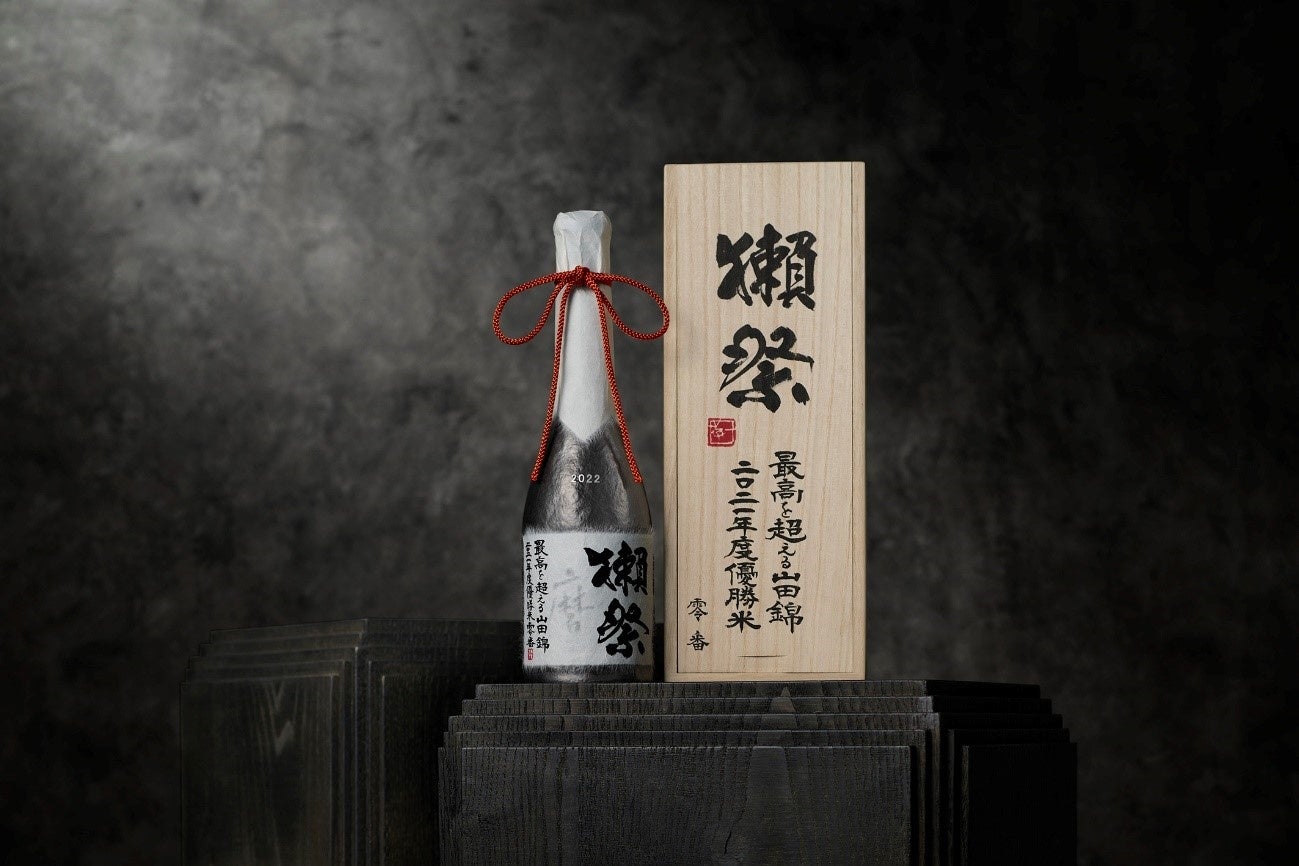
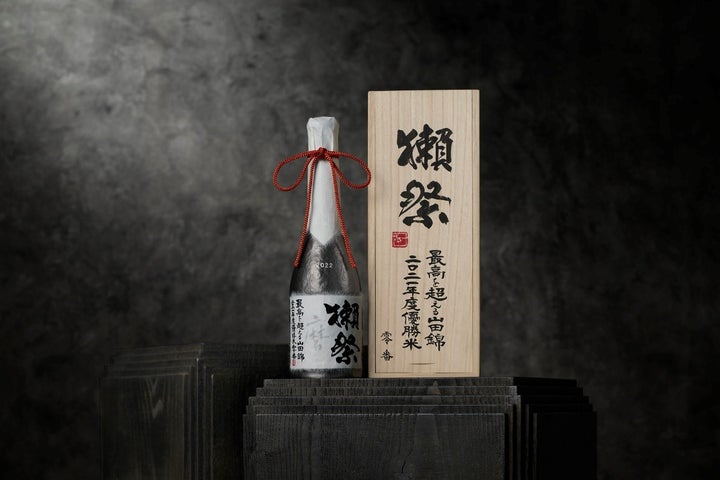
Asahi Shuzo Co., Ltd. (Headquarters: Iwakuni City, Yamaguchi Prefecture; President: Kazuhiro Sakurai) offered a single bottle of “Dassai Beyond the Beyond 2022,” made from the champion rice of Japan’s finest Yamada Nishiki, at Sotheby’s auction house in New York. The final hammer price was $8,125 (approximately 1.15 million yen). According to Sotheby’s New York, this marks the first time Japanese sake has been offered and sold at an auction in New York.
Asahi Shuzo created a special Dassai sake using the champion rice from its own “Beyond the Beyond Yamada Nishiki Project 2021,” a contest to evaluate the quality of Yamada Nishiki rice.
Product Name: Dassai Beyond the Beyond Yamada Nishiki 2021 Champion Rice
English Name: DASSAI Beyond the Beyond 2022
Bottle number 1 was offered at Sotheby’s New York auction. Around 11 PM on Friday, September 16 (Japan Time), it was sold for a final price of $8,125 (approx. 1.15 million yen).
The theme of the “Beyond the Beyond Yamada Nishiki Project” is to question conventional wisdom and create sake rice that surpasses the best. We similarly challenged ourselves to make a sake that goes beyond the best using that rice. That is “Beyond the Beyond.” Starting with this third edition, we changed the judging criteria for the grand prize rice. It differs from the traditional government-established rice inspection standards, shifting to criteria we believe are necessary to make delicious sake, particularly suited for ultra-high polishing. Specifically, we changed the standard for the rice’s central “shinpaku” (white heart) from “larger is better” to “small and firm at the center.”
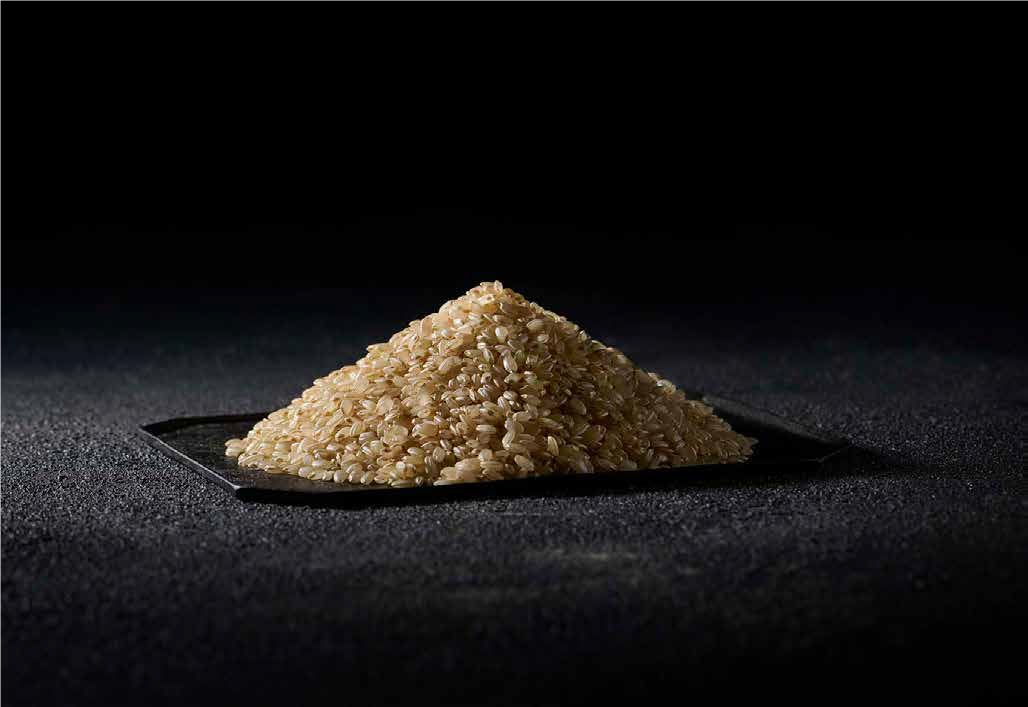
By stripping away excess, we achieved a clear taste and brilliance, with a delicate, clean sweetness and fullness felt in every detail. Using the grand prize rice from the new judging criteria allowed us to advance our pursuit of deliciousness one step further. Challenging the world with a taste only possible with Japanese sake and only possible with Dassai, and creating a future that is not “the same as yesterday,” is a great challenge and joy for us.
Furthermore, to allow customers to enjoy the sake as fresh as possible after pressing, we utilized cutting-edge freezing technology*1 and employed a titanium*2 bottle material capable of withstanding freezing. The lacquered cap is a work by Ito Takeshi from Marumata Shikki-ten, a top-tier Japanese artisan. This single bottle is packed with creativity and challenge.
*1 “Tohmin” liquid freezing technology by Technican Co., Ltd. Liquid freezing is a method that freezes packaged food in ‘-30°C’ liquid alcohol.
*2 Titanium bottle from the brand SUSgallery, developed by SUS Co., Ltd., known for SUSgallery. SUS Co., Ltd. gained fame for developing its own stainless steel vacuum bottles in the 1980s and successfully developing the world’s first vacuum double-walled titanium tumbler in 2003.
This time, bottle number 1 out of the total 23 bottles of “Dassai Beyond the Beyond Yamada Nishiki 2021 Champion Rice (English name: DASSAI Beyond the Beyond 2022)” was offered at Sotheby’s auction house in New York.
*At a Sotheby’s auction in Hong Kong the year before last, a bottle was sold for approximately 840,000 yen, which was then a record high for a Japanese sake transaction.
In August 2022, three bottles of “Beyond the Beyond 2019 Champion Rice” were sold at a hotel in Las Vegas, selling out at $15,888 per bottle (approximately 2.22 million yen).
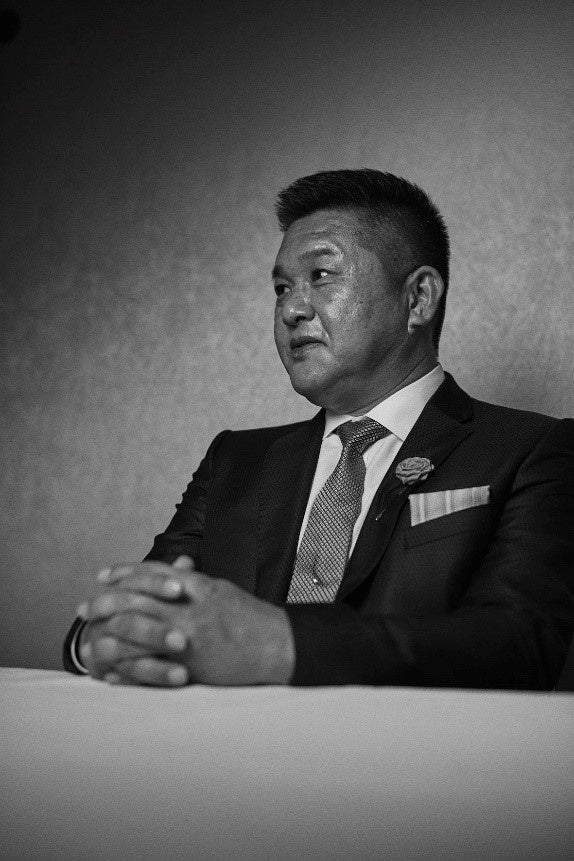
Takada Nōsan from Okayama Prefecture won the grand prize in the third “Beyond the Beyond Yamada Nishiki Project.” We purchased the champion rice at 30 million yen for 60 bales (500,000 yen per bale) and used it to create this Beyond the Beyond.
Takada Masato, representative of Takada Nōsan, which won the grand prize, reflected on the journey.
For Takada, the project was highly motivating.
The turning point was the change in judging criteria starting from the third edition.
Having won the grand prize, Takada smiles,