Editor’s Note
As gold prices reach record highs, this article examines the resulting shift in market dynamics, where overall demand softens while recycling activity surges.
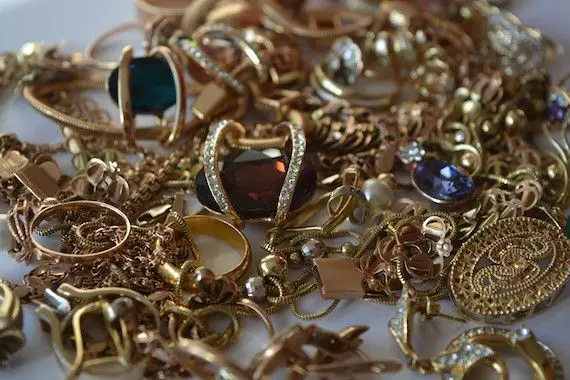
Record gold prices are weighing on overall demand but boosting the recycling of the precious metal, as individuals offload their jewelry to take advantage of the high prices.
According to the World Gold Council (WGC), mining production generally accounts for about 75% of the global supply of the yellow metal each year. The rest of the supply is met through recycling.
Since the beginning of the year, the price of the precious metal has risen more than 13% to reach a historic record of $2,431.52 on April 12, galvanized by expectations of lower US interest rates which make the US dollar less attractive.
Increased geopolitical tensions with the war in Ukraine and that between Israel and Hamas also contribute to the appetite for gold as a listed asset, for its traditional safe-haven characteristics.

These high prices, however, have weighed on global gold demand in the first quarter (-5% year-on-year), but are boosting recycling.
The WGC thus recorded a 12% increase in recycling in the first quarter year-on-year, a peak since the end of 2020, according to a quarterly report.
Almost all recycled gold comes from jewelry, and the rest concerns the technology sector where gold is used due to its many virtues: robustness, excellent conductivity, and also the fact that it does not oxidize or corrode.

Krish Gopaul notes, however, that some gold owners are holding onto their assets in view of macroeconomic and geopolitical uncertainties, counting on possible even higher gains in the long term or wishing to retain an asset whose value is preserved even in times of turbulence.
This is the case, for example, in Turkey, a country plagued by hyperinflation and which has seen an impressive depreciation of its currency.
In these markets,
Unlike jewelry demand, which has suffered from the high price of gold, central bank purchases have held up, totaling 289.7 tonnes for the first three months of the year, with monetary institutions also valuing the yellow metal for its virtues as a hedge against inflation and geopolitical risk.
If prices remain high in 2024,