Editor’s Note
This article explains the current surge in gold and silver prices, driven by geopolitical tensions and shifting monetary policy expectations.
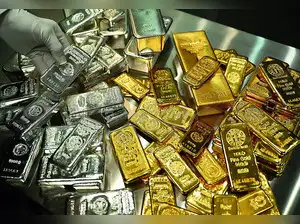
Gold and silver prices are rising due to heightened tensions between the United States and Iran, which has increased safe-haven demand. Investors are buying precious metals to hedge against risk during global uncertainty. The Federal Reserve’s policy outlook is also supporting gold and silver prices, as markets anticipate potential interest rate cuts. Lower interest rates typically boost demand for non-yielding assets like precious metals. Additionally, silver prices are being driven up by supply shortages and strong delivery demand. These factors collectively explain the current upward trend in precious metals.
Gold and silver prices have increased as investors react to U.S.-Iran tensions, the Federal Reserve’s policy outlook, inflation expectations, and interest rate signals. The precious metals outlook has improved as funds flow into gold and silver amid global uncertainty. Spot gold rose 0.7% to $5,012.83 per ounce, while U.S. gold futures increased 0.4% to $5,031.20. Spot silver prices climbed 2.7% to $79.24 per ounce after earlier gaining over 5%.
The price surge is partly a response to ongoing military preparation discussions between the U.S. and Iran. While the White House confirmed progress in Geneva talks, some issues remain unresolved. Investors traditionally turn to precious metals when geopolitical risks escalate, providing support for prices.

The Federal Reserve’s recent meeting minutes indicated a consensus to keep interest rates steady, though some officials leaned toward hikes if inflation persists, while others favored cuts if it eases. Investors are closely monitoring inflation data and jobless claims to gauge the Fed’s future policy direction.
Upcoming Personal Consumption Expenditures (PCE) reports and jobless claims data will provide further clues on inflation and interest rate trends. According to the CME Group FedWatch Tool, markets are pricing in a rate cut as early as June. Lower rates enhance the appeal of gold and silver, which do not offer interest income.

Silver prices are also benefiting from tight supply and robust delivery demand. Analysts at Saxo Bank noted that silver is finding support due to limited supply and low COMEX inventory levels ahead of contract deliveries. Investors are watching to see if silver can breach the $86 per ounce level.
If supply constraints persist and demand rises, silver prices could climb further. This supply-demand balance is a key consideration when assessing the future trajectory of precious metals.
The outlook for precious metals hinges on the Federal Reserve’s policy path, inflation trends, interest rate decisions, and global geopolitical tensions. Platinum rose to $2,100.45 per ounce, and palladium increased to $1,733.45 per ounce, reflecting a broader investor preference for precious metals in uncertain economic conditions.

Gold and silver prices could continue rising if interest rates are cut and geopolitical tensions persist. Conversely, prices may retreat if inflation subsides and interest rates rise. Investors will continue to track economic data and global developments to determine whether precious metals will hit new highs or fall back.