Editor’s Note
Gold prices face headwinds as profit-taking emerges near key resistance levels, with analysts pointing to shifting expectations around U.S. monetary policy as a catalyst.
Analysts believe that against the backdrop of expectations for a cooling of the Federal Reserve’s interest rate hikes, gold has encountered resistance at the $5,000 per ounce level. Some investors have taken profits, adding to the downward pressure on prices.
HSBC’s Chief Precious Metals Analyst, James Steel, stated that gold is a safe-haven asset, and this does not imply that its price will not be volatile. Market volatility in 2026 may be a key characteristic of the precious metals market.
The next Fed Chair, Kevin Warsh, expressed that the Fed’s attitude towards shrinking its balance sheet is a persistent factor influencing domestic gold prices. The Fed needs to maintain its professional independence; otherwise, it could conversely push up domestic gold prices.
Gao Rong indicated that, overall, central bank gold purchases and increased gold holdings by private investors due to Fed rate cuts will gradually slow the rise in gold prices to around $5,400 per ounce by the end of 2026.
Notably, on February 18, Lao Feng Xiang announced it would initiate its first round of price adjustments for 2026. The specific adjustment time is February 28, with product price details subject to the actual online and offline product pricing.
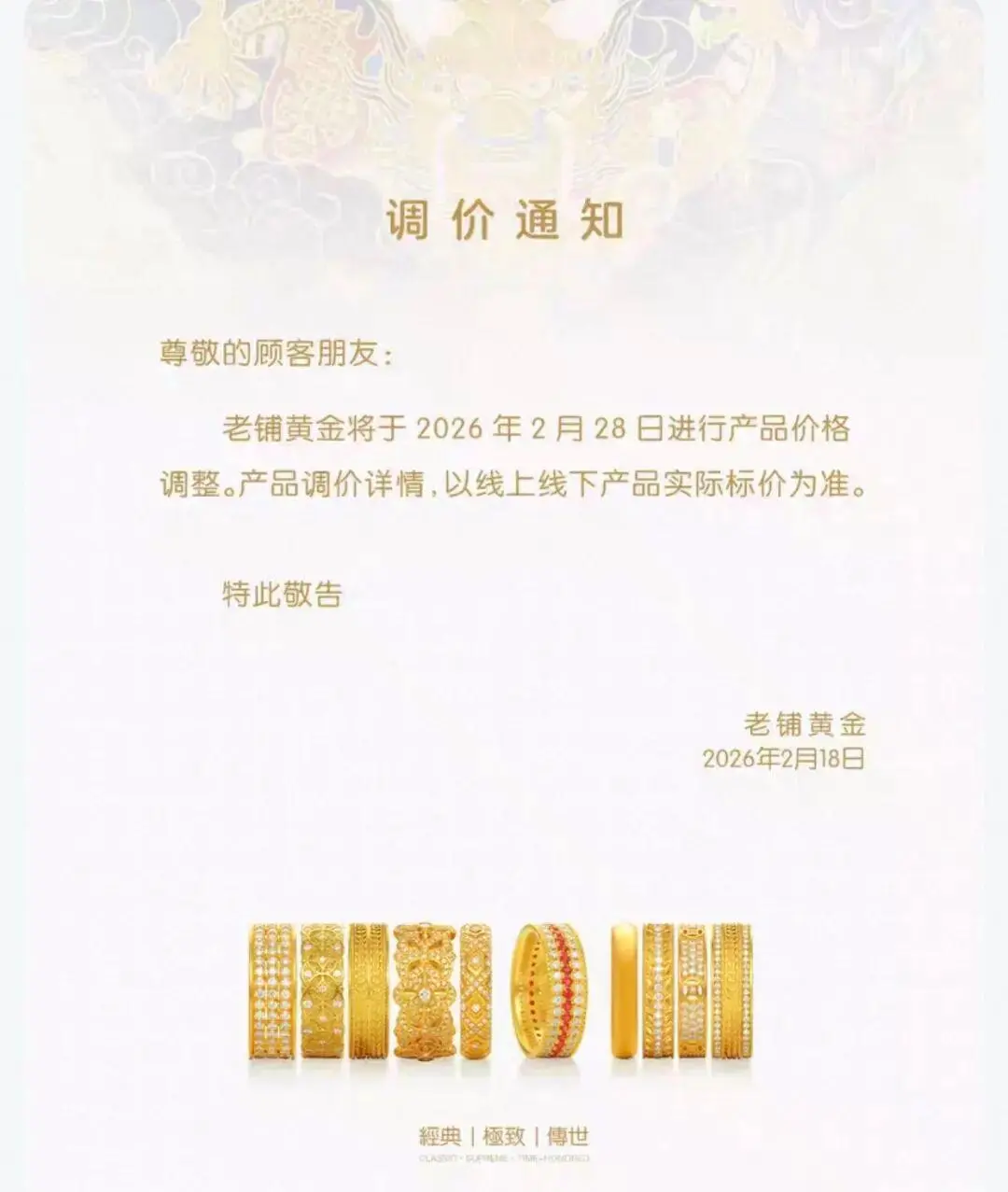
It is understood that unlike the traditional gold store pricing model of “big gold price + labor cost,” Lao Feng Xiang adopts a strategy of “one-price + periodic adjustments.” In 2025, Lao Feng Xiang raised selling prices three times in February, August, and October.
Since the beginning of this year, several gold brands have adjusted prices for their “one-price” products, including Chow Tai Fook, Chow Sang Sang, and Chow Tai Seng, with some brands adjusting prices by 15% to 30%.
Among them, the price changes for high-end gold jewelry products have been more pronounced, with prices for multiple antique gold, diamond, and gemstone-inlaid products showing significant increases.
Although the latest announcement did not explicitly mention price increases, consumers have already formed strong expectations for price hikes. Coupled with the fact that some shopping mall counters have launched large-scale promotions and the traditional custom of “adding gold” for the New Year, the market has reacted rapidly.
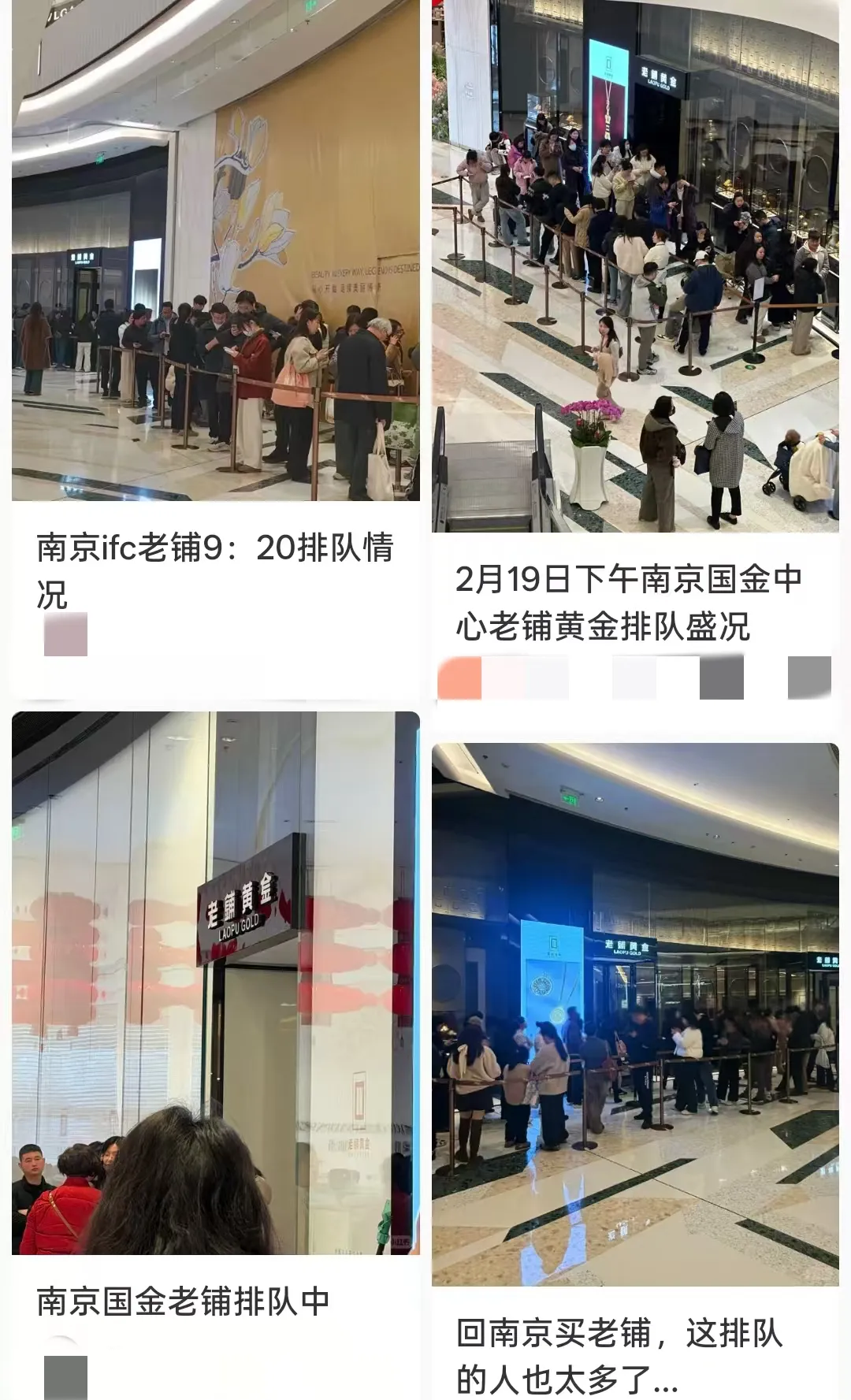
Recently, Lao Feng Xiang stores in various locations have been bustling with activity. Consumers waiting to enter have formed long queues, hoping to lock in current selling prices before the price adjustment to save on purchase costs.
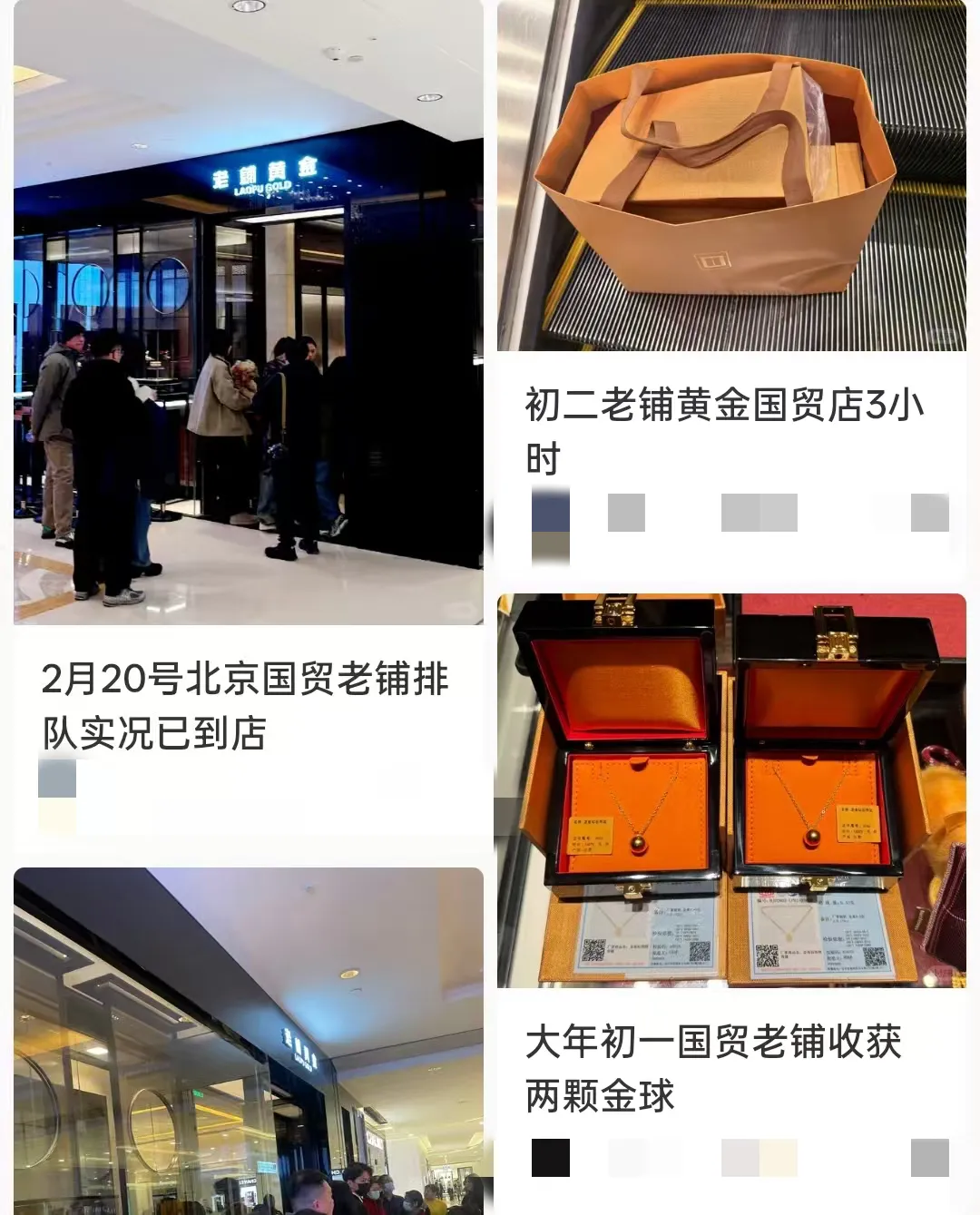
In response, industry insiders remind consumers to maintain a rational consumption mindset in the face of promotional activities and market fervor. They should make reasonable purchase choices based on their actual needs, avoid blindly following trends or impulsive consumption, and purchase as needed and rationally.
As of the midday close on February 20, Lao Feng Xiang’s stock price rose to HK$762 per share, an increase of over 3%.
On February 13, Hang Seng Indexes Company announced the results of its quarterly review. Several important index constituent stocks were adjusted. Among them, the number of Hang Seng Index constituent stocks will increase from 88 to 90. The newly added constituent stocks include Lao Feng Xiang. The above changes will take effect from March 9.
Industry insiders remind that gold price fluctuations are influenced by multiple factors such as the international situation and monetary policy. Consumers should rationally view the psychology of “buying the rise, not the fall.”
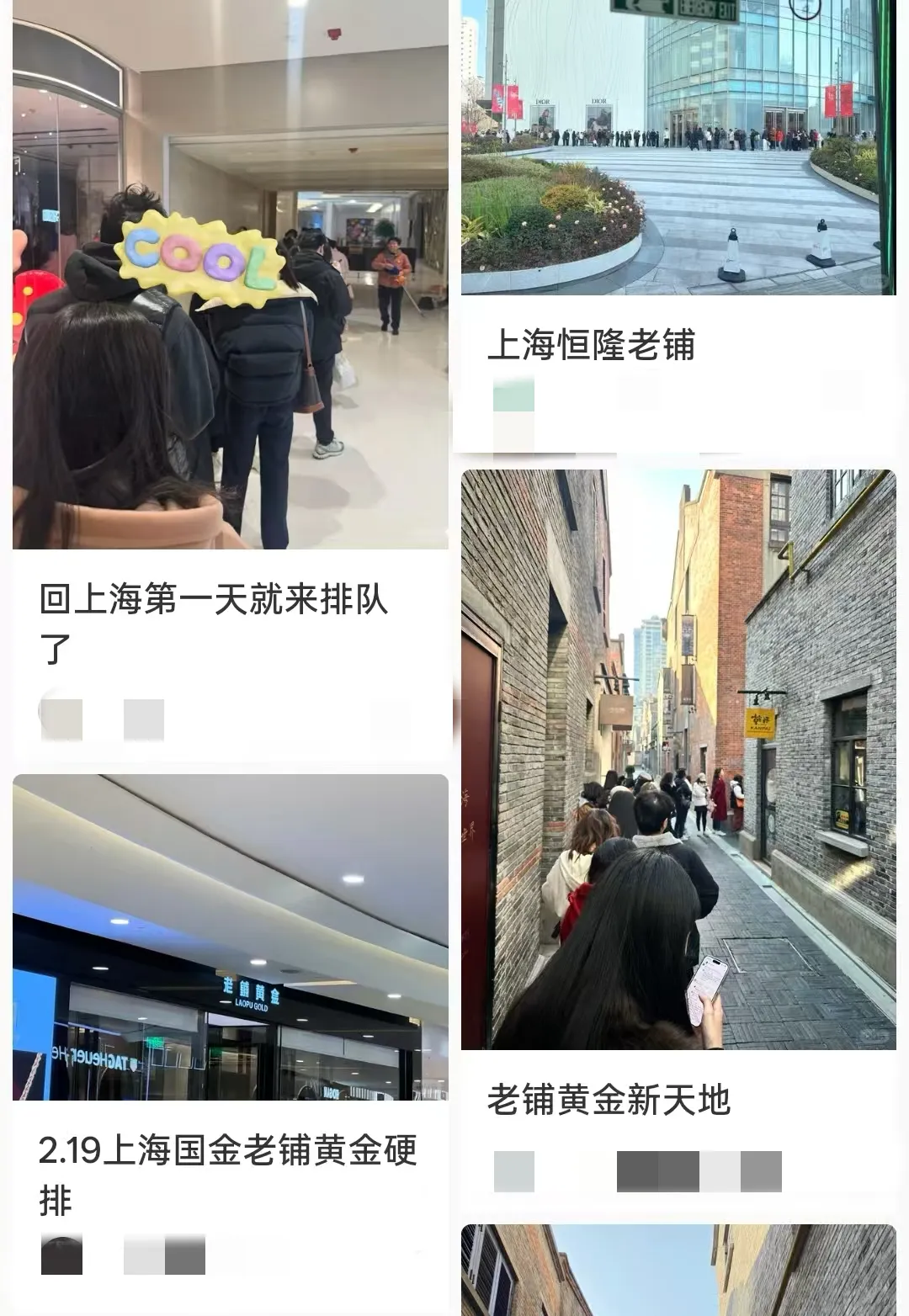
When purchasing gold jewelry, one should similarly prioritize reputable major brands, consume rationally, and be cautious of low-price gold purchase advertisements to prevent being deceived.