Editor’s Note
This article examines the complex drivers behind gold and silver price volatility, from macroeconomic policies to geopolitical risk, addressing common questions about market influence.
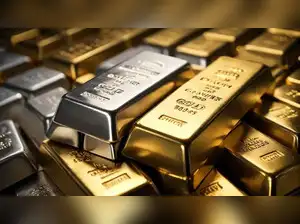
Gold and silver prices move due to inflation outlook, Federal Reserve decisions, bond yields, geopolitical tensions, and investor demand in global bullion markets.
Gold and silver prices change based on global economic events, inflation data, bond yields, Federal Reserve policy, and geopolitical tensions. Investors follow these signals to decide whether to buy or sell bullion. When bond yields decline or inflation rises, gold and silver demand often increases. When interest rate expectations change, prices move again. Recent tensions between the United States and Iran, along with falling European bond yields and upcoming inflation data, have caused new movements in gold and silver prices. These market forces explain frequent price fluctuations.
This question is important as gold and silver prices changed again on Friday. Gold prices increased due to tensions between the United States and Iran, lower European bond yields, and inflation expectations. Investors watched inflation data to understand future decisions by the Federal Reserve. These factors affect gold, silver, platinum, and palladium prices and explain why prices fluctuate often.

Gold prices increased after tensions between the United States and Iran increased. Donald Trump warned Iran to sign a nuclear agreement within 10 to 15 days. Such geopolitical tensions increase investor demand for gold.
Spot gold increased 0.7% to $5,032.49 per ounce at 0941 GMT. US gold futures for April delivery increased 1.1% to $5,052.70. However, gold was still set for a weekly decline of 0.2%. This shows that prices fluctuate based on daily events.
European government bond yields declined for a second straight week. This happened due to expectations about leadership changes at the European Central Bank and global tensions. When bond yields fall, gold becomes more attractive. Gold does not pay interest, so lower bond yields reduce the opportunity cost of holding gold.

Investors waited for US personal consumption expenditure data, which is the preferred inflation measure of the Federal Reserve. Economists expected core PCE inflation to increase by 0.3%. This data was scheduled for release at 1330 GMT.
According to the CME Group FedWatch Tool, traders expected the Federal Reserve to hold interest rates steady in the March policy meeting. When interest rates remain low, gold demand increases. This is because gold becomes competitive compared to interest-paying assets.
Goldman Sachs said central bank buying could increase again this year. Private investors may increase gold buying if interest rates decline. This supports gold price growth over time.
Gold demand in India remained low because buyers waited due to price fluctuations. In China, markets remained closed for the Lunar New Year holiday. This reduced trading activity.
Silver increased 2.8% to $80.57 per ounce. Platinum increased 2.3% to $2,117.66 per ounce. Palladium increased 2.3% to $1,723.25 per ounce. All metals were set for weekly gains. This shows that multiple metals follow similar trends.

These movements show that gold and silver prices fluctuate due to inflation outlook, Federal Reserve decisions, bond yields, geopolitical tensions, and investor demand. These are market-based factors. Price fluctuations do not always mean manipulation. They reflect global economic conditions and investor behavior.