Editor’s Note
This article explores a novel laboratory technique for synthesizing diamonds at atmospheric pressure, a significant departure from the immense pressure required for natural formation. The breakthrough could reshape diamond production and its applications across various industries.
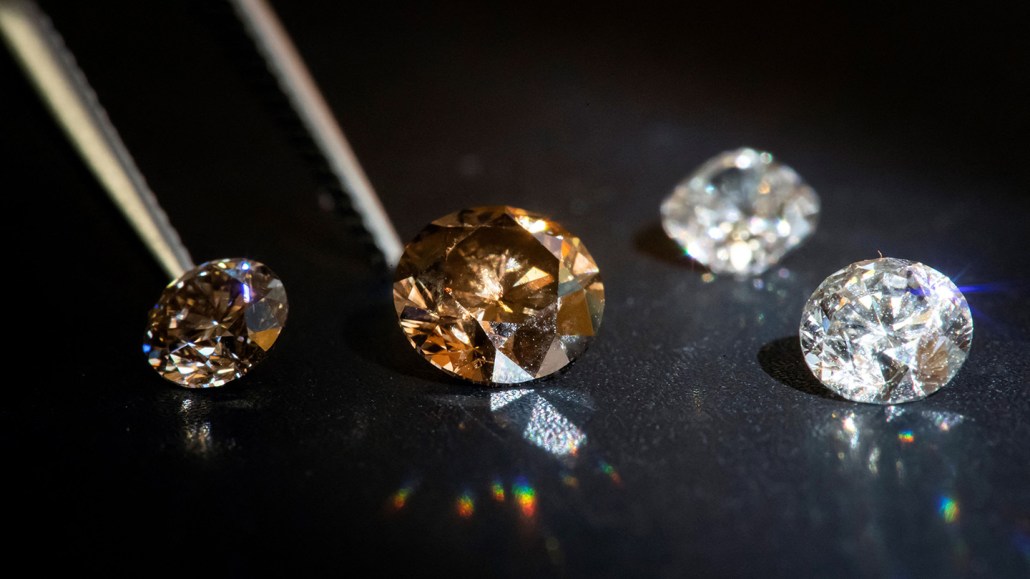
Diamonds in nature famously form under immense pressure in Earth’s mantle. But a new laboratory technique allows diamonds to skip the squeeze.
The most common method for producing synthetic diamonds, known as high-pressure and high-temperature growth, or HPHT, requires around 5 gigapascals of pressure, similar to that in the upper mantle where diamonds form naturally. With this technique, carbon dissolved in liquid metal forms diamonds at temperatures around 1400° Celsius.
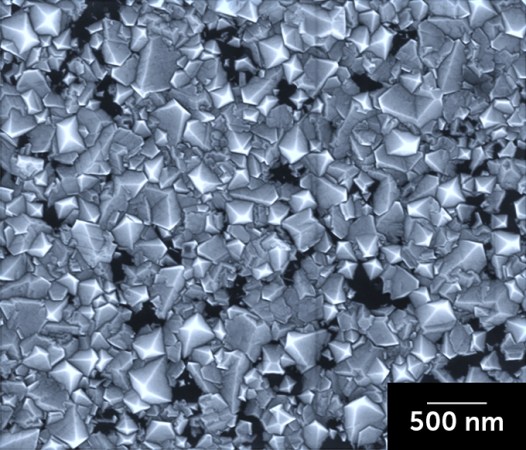
But diamonds can be grown at atmospheric pressure in a liquid of gallium, iron, nickel and silicon exposed to a gas of carbon-rich methane as well as hydrogen, scientists report April 24 in Nature.
The technique also required lower temperatures than HPHT: 1025° C.
The demand for diamonds isn’t just about gemstones. Scientists can use diamonds for everything from sensing magnetic fields to searching for new subatomic particles. The new method could make generating such materials easier.
Another technique to produce diamonds in the lab, called chemical vapor deposition, or CVD, takes place at low pressures, with a vapor of carbon-rich gas being deposited on a surface. Unlike CVD and HPHT, the new technique doesn’t make use of a diamond “seed,” an initial bit of diamond to kick off the growth.
CVD and HPHT are widely used in the jewelry industry. It remains to be seen whether the new technique will make diamonds destined for bling.