Editor’s Note
This article explores how technological disruption is reshaping traditional industries and the careers within them. The story of Chintan Suhagiya, a young professional in India’s diamond sector, illustrates a broader global trend where expertise must evolve alongside innovation.
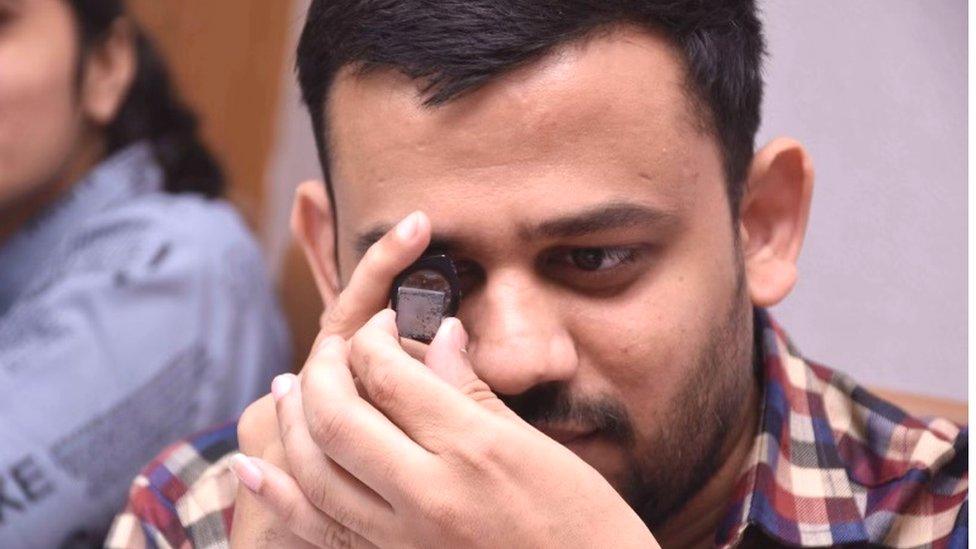
Chintan Suhagiya is only 26, but already has seven years of experience working in India’s diamond industry. Starting out, he ferried diamonds around his company, based in the world’s diamond polishing capital, Surat in western India. But over the years he learnt how to inspect diamonds and now he grades their quality, using specialist equipment. His career has been transformed by a seismic shift in the diamond industry. Until two years ago, all the diamonds he inspected were natural – pulled from the ground at diamond mines. Now he works with diamonds grown in special machines, part of an industry that barely existed 10 years ago but, thanks to improved technology, has seen explosive growth.
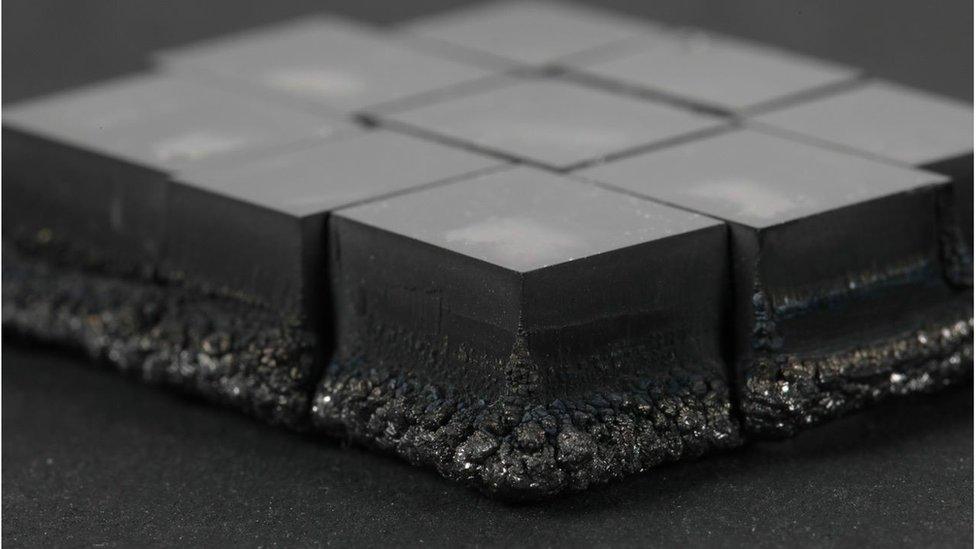
Natural diamonds are formed at great heat and pressure deep underground and, since the 1950s, scientists have been trying to recreate that process above ground – resulting in two techniques. The High Pressure High Temperature (HPHT) system is where a diamond seed is surrounded by pure graphite (a type of carbon) and exposed to temperatures of about 1,500C and pressurised to approximately 1.5 million pounds per square inch in a chamber. The second process is called Chemical Vapour Deposition (CVD) and involves putting the seed in a sealed chamber filled with carbon-rich gas and heating to around 800C. The gas sticks to the seed, building up a diamond atom by atom. While those techniques emerged in the late 20th Century, it’s only in the last 10 years that the process has been refined so that lab-grown diamonds can be made at the right price and quality to be sold as jewellery.
Ms Linde says that since the early 2000s the cost of producing lab-grown diamonds has halved every four years. These days, a one carat diamond – a popular size and common in engagement rings – made in a lab would be around 20% cheaper than its naturally-formed equivalent. Those falling costs have attracted entrepreneurs.
India has long played a key role in the diamond industry – it’s estimated that nine out of 10 of the world’s diamonds are polished in Surat. Now the government wants India to become a key player in the lab-grown diamond business. The nation already produces around three million lab-grown diamonds a year, accounting for 15% of global production, according to the Ministry of Commerce and Industry. China is the other big producer, with a similar market share. In January, in an effort to boost the sector further, the Indian government abolished a 5% tax on imported diamond seeds and announced funding to help India develop its own diamond seed production.
With 30 years in the traditional diamond industry, Hari Krishna Exports is India’s leading producer of cut and polished diamonds. But this year director Ghanshyambhai Dholakia founded a lab-grown diamond business.
But will the new business take market share from his traditional diamond business?
It might take some time for that market to take off in India, though. Most LGDs made in India are exported to the US.