Editor’s Note
Lab-grown diamonds have evolved from a mid-century scientific achievement to a mainstream market alternative. This article explores their history, technological advancements, and growing presence in the jewelry industry.
Synthetic diamonds look indistinguishable — even to a trained eye — and cost substantially less than a mined diamond, and have been in existence for longer than you might imagine. The first laboratory-made ones were produced in the 1950s, but improvements in manufacturing efficiency have meant that their arrival on the market as a viable alternative still feels like a very recent development.
If you have come across them at all, it is probably in the forms of an engagement ring, where prices can undercut a traditional, mined diamond by a factor of up to 90%, depending on the carat and clarity (the general rule is: the bigger the stone, the bigger the potential saving). It is, unsurprisingly, emotive territory. Whether you are giving or receiving, the declaration of love and commitment indicated by an engagement ring isn’t one you want tinged with questions over value for money. However, the appeal of a synthetic stone has always been that you get a lot more diamond for your money — and we all know how alluring that can be.
In recent times, the price of synthetic diamonds has tumbled, and traditional industry players who did at least dip a toe in the water when things first took off — such as De Beers — have since exited the lab-grown world. And the gaping chasm between synthetic and mined could not be any wider. More and more, legacy producers and prestigious dealers are declaring that they will only use ‘real’ stones (though in every measurable sense, a synthetic diamond is chemically identical to a mined one).
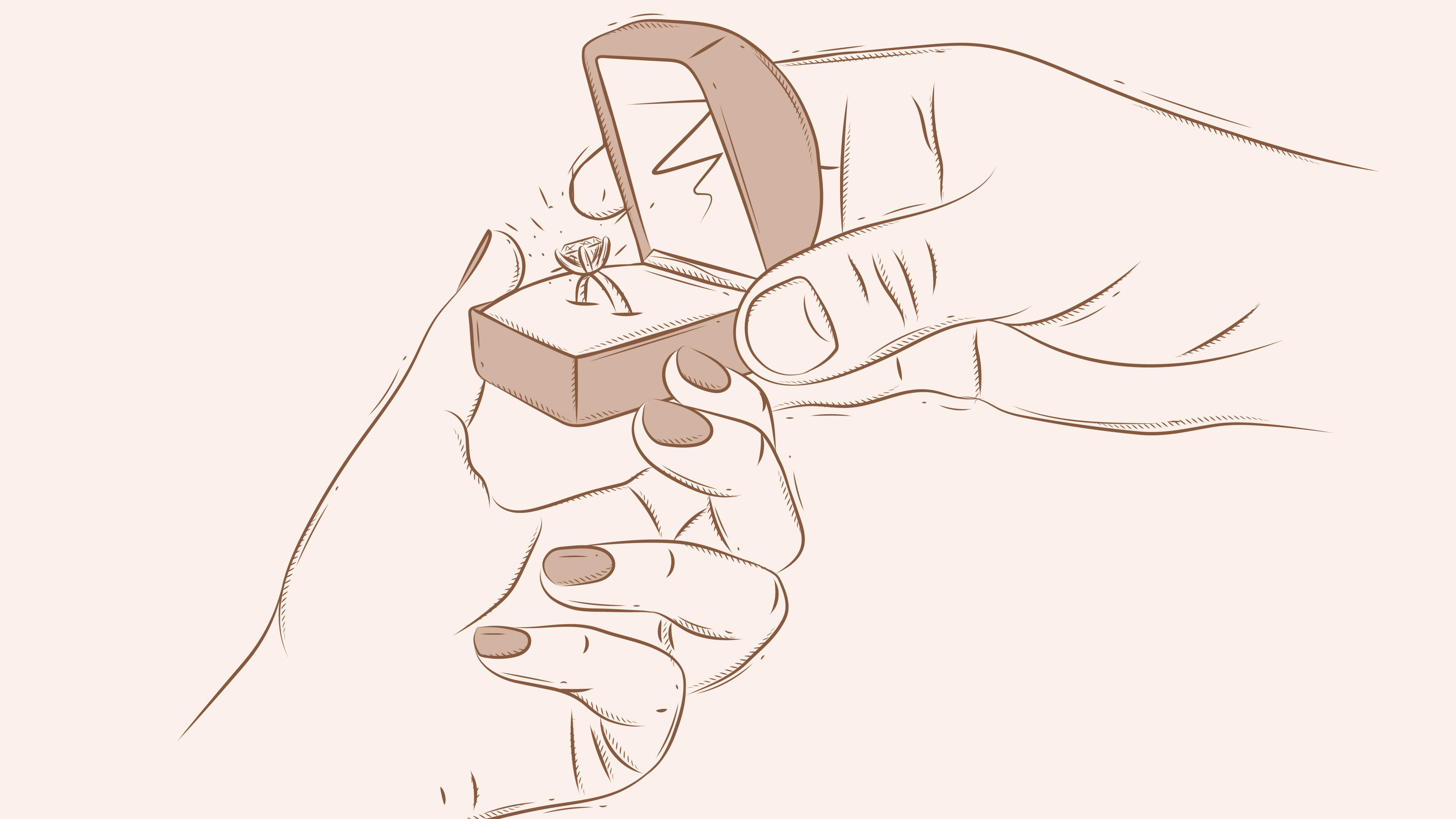
When it comes to the customer, things are a little less clear. An independent American survey, carried out in May 2025, found that 74% of people were amenable to the idea of a lab-grown diamond engagement ring, a figure that rises to 83% for non-bridal jewellery.
There are, to my knowledge, no comparable statistics for watch customers. Switzerland’s big horology players have been much slower than their jewellery counterparts to embrace (and then reject) lab-grown diamonds and, in 2021, Swiss journalist and TV presenter Marc-Andre Deschoux told the New York Times about the ‘lingering taboo’ surrounding using them.
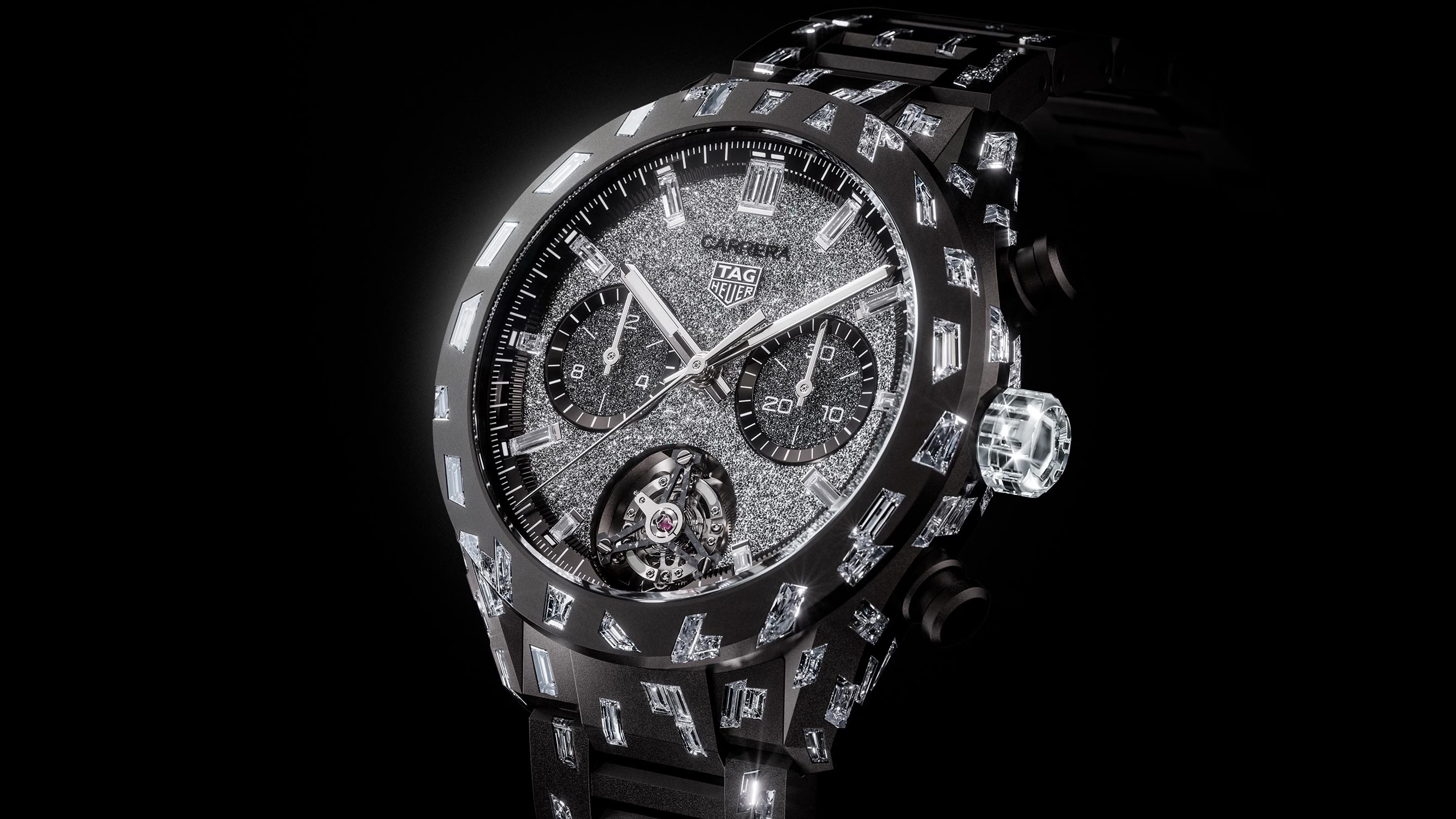
It took until 2022 for TAG Heuer to premiere a Carrera concept watch encrusted with lab-grown stones — and it made headlines and turned heads. Thankfully, successive pieces have helped to normalise things and, as a result, the brand has been able to commission stones in shapes and sizes that would have been near-impossible to find on the natural market. Think: a watch’s crown formed entirely out of pink diamond.
Other brands have turned to lab-grown stones for more conventional purposes, including Oris and Raymond Weil, who have used them in their Aquis Date and Freelancer lines respectively. You might think the move a purely commercial one, given that, as a result, each brand can bring a steel watch with diamond bezel to market for around £3,000, but it’s comparable with similar mined diamond-set watches from brands such as Longines, Tudor and Frederique Constant.
For some brands, the prize is a long-term strategy to attract and hold younger consumers’ attention. Breitling, for example, has committed to only using lab-grown diamonds moving forward, citing sustainability and transparency concerns — particularly with regard to incoming European legislation that will enforce stricter reporting on supply chains. Others point to a confluence of factors that in combination, make the decision a no-brainer.
Andrea Furlan, the co-founder of indie brand Furlan Marri, says that his company chose to use lab-grown diamonds on the recently-released Disco Volante model for both financial and logistical reasons.