Editor’s Note
This article reports on a significant U.S. Supreme Court ruling that struck down a key trade policy from the Trump administration. The 6-3 decision, involving justices appointed by the former president, underscores the complex legal challenges surrounding executive authority in trade matters.
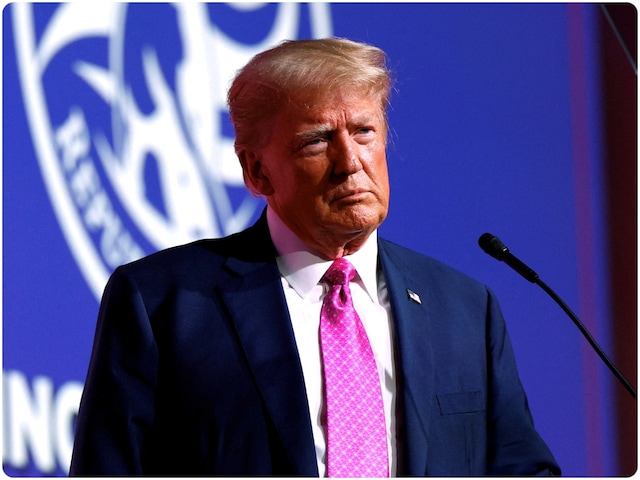
The US Supreme Court has invalidated the sweeping ‘global tariffs’ imposed by former President Donald Trump. This decision is considered a major setback for Trump’s ambitious economic agenda. The very conservative-majority court he helped shape has now put a brake on his ‘arbitrary’ policies.
The historic 6-3 majority ruling has defined the limits of presidential power. The case centered on tariffs imposed under ’emergency power laws’ that Trump had levied on nearly every other country.
Chief Justice John Roberts, writing for the majority, clarified that the US Constitution “very clearly” grants the power to levy taxes (which includes tariffs) solely to Congress.
The court was not entirely unanimous. Conservative Justices Samuel Alito, Clarence Thomas, and Brett Kavanaugh dissented from the ruling. Justice Kavanaugh wrote in his order:
Although Trump has recently secured some immediate victories from the Supreme Court in certain cases, this ruling is a direct hit on his core agenda.
The Supreme Court’s decision does not prevent Trump from imposing duties under other trade laws. However, other laws place much greater limitations on presidential power and the decision-making process is slower.
Republican President Trump had called this case the most important in American history. Interestingly, these tariffs were also opposed by libertarian and pro-business groups, who are generally considered staunch supporters of the Republican Party (GOP).
These tariffs were also not very popular among the American public, who were concerned about inflation and rising costs.