Editor’s Note
This week, we examine the progress of Europe’s promised regulations to curb “conflict minerals” and investigate the persistent issue of child labor within the supply chains of major tech companies.

This week we ask what has become of the promised European regulation against minerals tainted by the blood of conflict, such as coltan or diamonds.
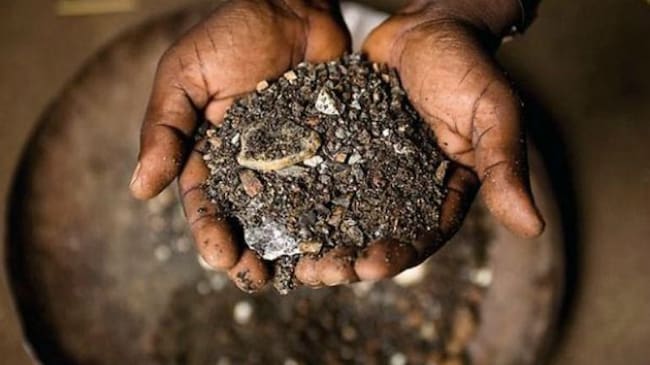
Apple, Samsung, Sony, and more than a dozen other multinationals cannot guarantee that the cobalt used in the manufacture of their mobile phones has not been extracted by children as young as seven years old in the Democratic Republic of the Congo.
That is the accusation that Amnesty International brought to the table a few weeks ago with its report ‘Child labour behind smart phone and electric car batteries’.
Cobalt is one of the minerals tainted by exploitation, but there are more, many more. Precisely half a year ago, the European Parliament forced the development of a legislative framework to put barriers on the import of ‘blood minerals’, primarily from mines in the Democratic Republic of the Congo.

We are facing an illegal business riddled with mafias that exploit and violate that part of Africa. A law is expected by summer, and negotiations are therefore in their final stretch, but the scope of that future law is in doubt due to business interests.
To begin with, “pressures are emerging to be less demanding with the information that companies should provide about the origin of their products,” some NGOs like Alboán warn. One of their experts, Guillermo Otano, helps us understand what is the trap hidden in the European plan against ‘blood minerals’.

Nearly 70 NGOs from across the continent have united to warn that Europe is not being brave enough to control this dirty business, among other things because some states intend to reduce all the obligations they intended to impose on states to curb this illicit trade to a mere recommendation.