Editor’s Note
As global trade dynamics shift, Dubai’s diamond industry emerges as a potential beneficiary of new U.S. tariffs. Leveraging its strategic location and pandemic-era advantages, the emirate is positioning itself as a formidable rival to traditional hubs like Antwerp.
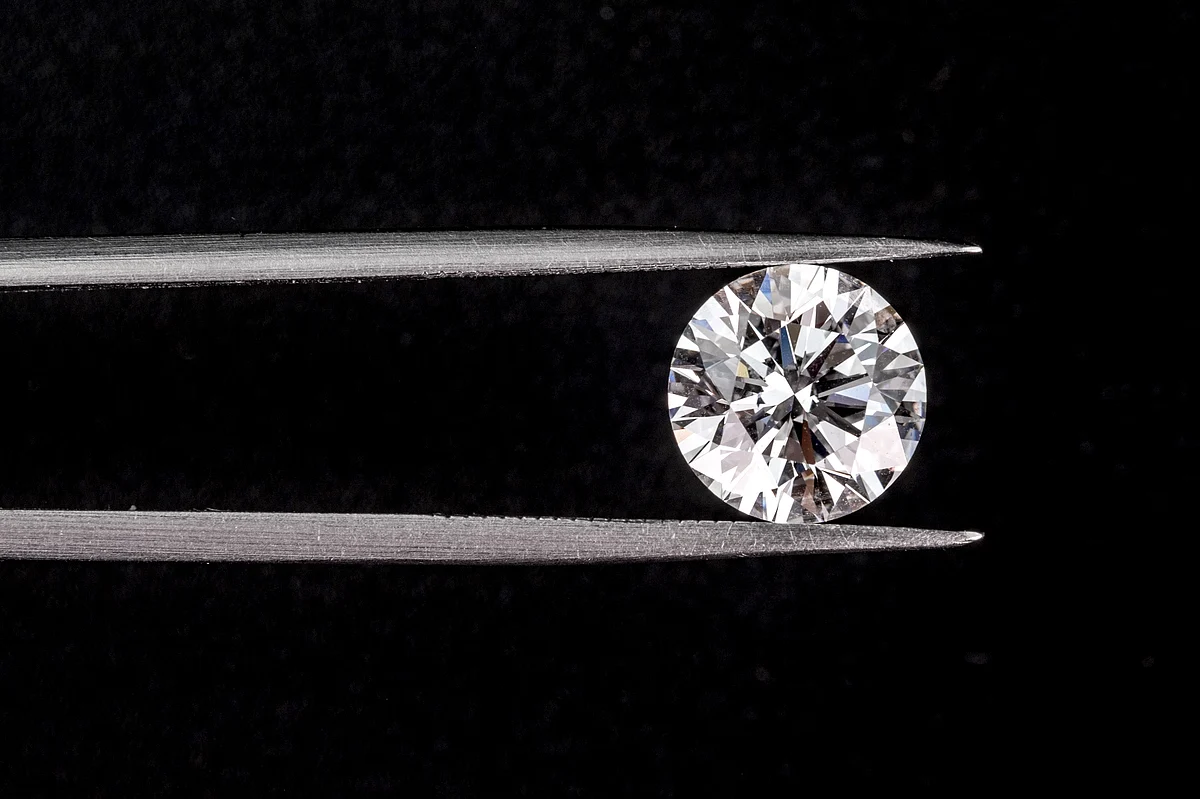
While the world anxiously waits to see the outcome of the tough new trade tariffs announced by US President Donald Trump, it could be good news for Dubai’s diamond industry.
The world’s youngest player in the diamond market, Dubai has flourished since the pandemic with companies moving their operations to the city when the world closed the skies, making it a rival to the hundreds-of-years-long diamond capital, Antwerp. The connectivity to Africa, proximity to India, and ease of doing business all made it the obvious location for companies to relocate.
The city’s rough diamond trade has grown significantly in the past five years. The total value of rough imports and exports amounted to $21.34 billion (Dh78 billion) in 2023, compared with $16.77 billion (Dh61.5 billion) and $14.28 billion (Dh52 billion) in 2018 and 2019 respectively, according to data from Dubai Customs.
The value of its polished trade, meanwhile, came to $16.91 billion last year, about double of what it was in the two years before the pandemic.
Diamond expert Alex Peterfreund from Espeka Diamonds, based in the diamond exchange in DMCC, told KT LUXE that it is likely Dubai will be a huge winner because of the major global tariff revision.
Other diamond players, meanwhile, will be hit by far higher US tariffs: India around 27 per cent, the European Union by around 17-20 per cent, and Israel around 17-20 per cent.
More than this, it could position Dubai as a major manufacturing hub as businesses such as those in India relocate to the emirate. As tariffs look at the source or origin of a product, moving that to Dubai will allow companies to capitalise on the UAE’s lower tariff rates and increase profit.
It is creating a sense of hope in Dubai where traders have felt the toll of a growing lab-grown diamond industry, hitting natural diamonds by around 50 per cent, according to diamond expert Martin Rapaport, also based in DMCC.
Rapaport says that this excess stock in India, which will be hit, could be turned into jewellery in Dubai, according to ‘substantial transformation’ laws, allowing Indian traders to get around the tariffs while sending new business to the emirate.
With the ease of opening businesses in Dubai and the proximity of India to the Emirates, Dubai looks set to gain.