Editor’s Note
The US Supreme Court has ruled that tariffs imposed by former President Donald Trump exceeded constitutional authority, marking a significant judicial rebuke of his “Made in America” trade policy.
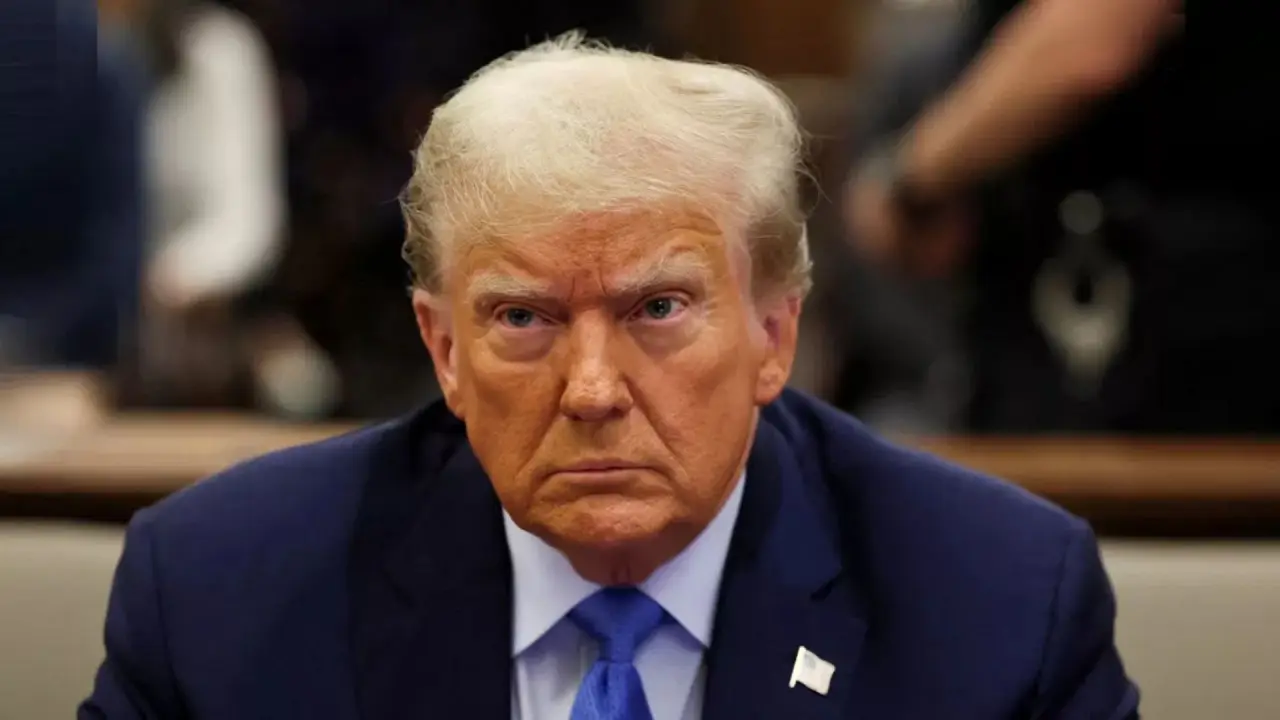
The US Supreme Court has dealt a major blow to former President Donald Trump, declaring the global tariffs imposed by him as unlawful. The court stated that Trump overstepped his constitutional limits. This decision is a significant setback for Trump’s economic policies. Trump had described the tariffs as necessary for “Made in America,” but the court has ruled them unconstitutional.
In a historic and far-reaching ruling delivered on Friday, the court completely declared the broad tariffs imposed by Trump on foreign trading partners using his emergency powers as illegal. The 6-3 majority decision made it clear that the President cannot implement tax-related policies at his own discretion. This ruling is a decisive blow to the Trump administration.
The bench, headed by Chief Justice John Roberts, fully upheld the lower court’s decision which stated that the Republican President’s move was completely outside his jurisdiction. Six justices of the court held that these duties, imposed by citing an old 1977 law, were utterly illegal and unconstitutional. The Chief Justice wrote that the President must essentially seek Congressional approval to justify his claims of extraordinary powers.
During the decision, there was complete consensus among the justices that the US Constitution grants the supreme power to levy taxes and duties only to the Parliament, i.e., Congress. In his opinion, Chief Justice Roberts argued that the constitutional framers never delegated the power to impose tariffs to any executive branch or the President alone. This arrangement was made to maintain democratic balance so that no single individual could exert complete control over the country’s complex economic policies.
The Supreme Court’s stance is a major blow to Donald Trump’s broad economic blueprint, which he considered the main pillar of his tenure. His aggressive policy of imposing duties on trading partners to benefit the domestic economy is now entangled in legal complications. This is the first major case related to Trump’s policy agenda that reached the Supreme Court directly. This decision has significantly weakened the diplomatic and economic strength of his future trade agreements.
Although the decision came by majority, three conservative justices on the bench clearly expressed their dissent. Justices Samuel Alito, Clarence Thomas, and Brett Kavanaugh held views completely different from the Chief Justice. In his dissenting opinion, Justice Kavanaugh wrote that although the disputed duty policy might not seem economically prudent, based on legal history and precedents, the President has the authority to do so. He argued that according to the constitutional text, these duties are completely valid.
The profound impact of the court’s decision will not only be felt within the United States but also on overall global trade relations. Now, the Trump administration will not be able to suddenly impose tariffs on any country without any legislative process. This has provided major relief to all of America’s key trading partners, and there is strong hope for stability in global markets. Now, the President will have to work together with Congress to implement his trade policies, which is a major challenge for him.
