Editor’s Note
The 2026 collector car market has opened with unprecedented fervor, as demonstrated by the record-shattering auction of five iconic Ferraris. This explosive start signals a market not merely heating up, but reaching a boiling point.
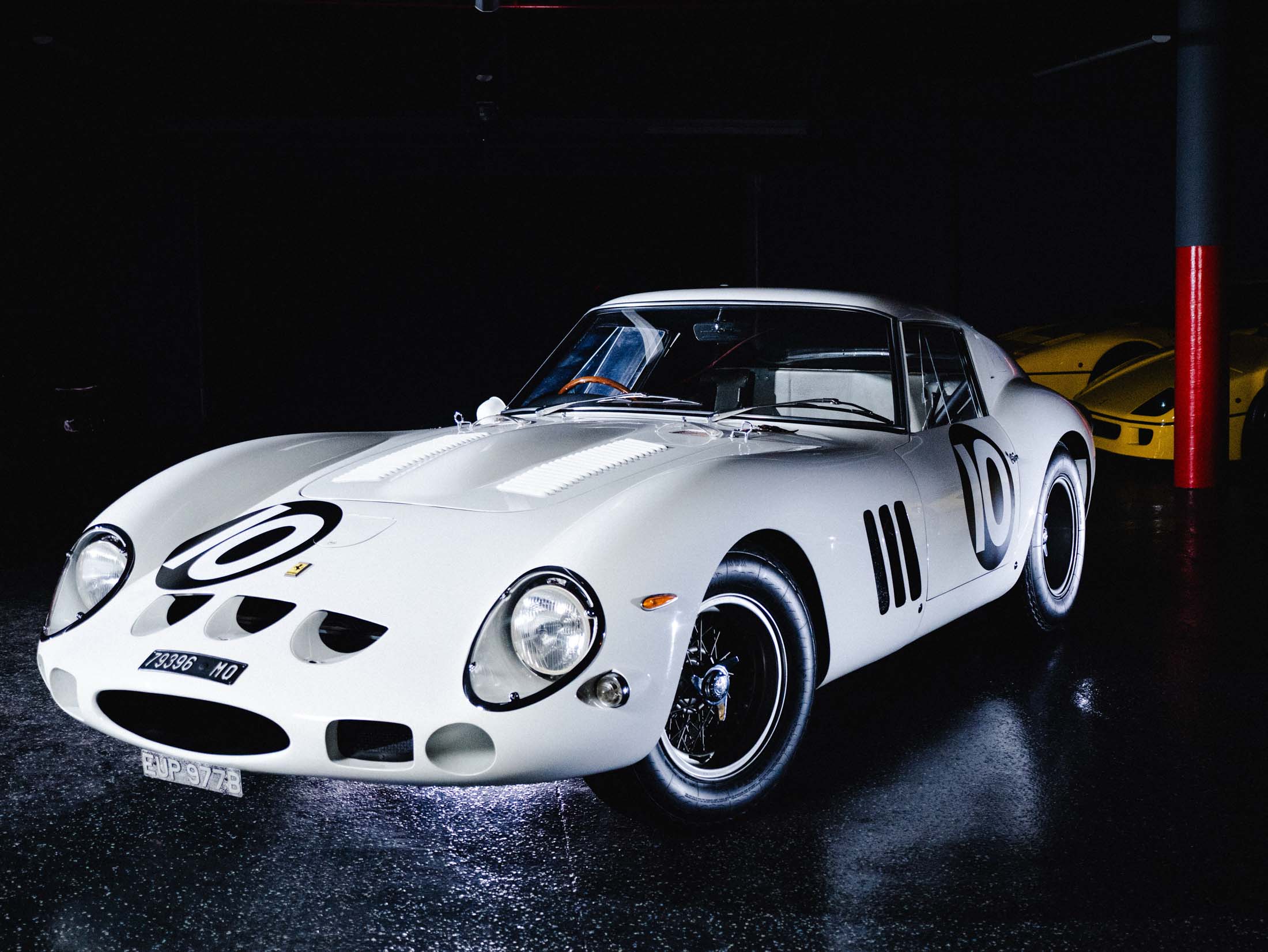
The 2026 collector car auction season has started with a bang. On January 17th in Florida, the “Ferrari Five” — the 288 GTO, F40, F50, Enzo, and LaFerrari — shattered records in just two hours. The message to the market is clear: it’s not just hot, it’s boiling.
A concrete example: the Ferrari 288 GTO soared to €7.82 million (against a previous record of around €4.05 million in 2022). And while everyone was already looking at the ceiling, a 1962 Ferrari 250 GTO sold for €35.42 million. Extremely rare (36 units), this one had a detail that turned heads: it was the only one painted white from the factory. Its new owner, David Lee (head of a Los Angeles jewelry house), summarizes the market psyche:
In total, the sale reached €407.40 million, almost double last year’s figure… with fewer lots. Analysts are clear: this is not a statistical anomaly. It’s a cruising speed boosted by hungry enthusiasts and aggressive investors.
Across three major auction events in January, the total value of classic cars sold jumped by approximately +80%, while the volume of listings barely moved. Meanwhile, the new car market is struggling: sales declined at the end of 2025 with prospects for further decline in 2026, weighed down by interest rates, confidence, employment, and cooling interest in electric vehicles. In the “collectible” universe, however, the desire to spend shows no sign of weakening.

The classic car market in the United States is projected to reach €25 billion by 2032 (compared to about €6.68 billion in 2018 and €11.70 billion in 2024). Driven by buyers seeking tangible long-term assets… and by an entire ecosystem that makes buying, owning, and reselling more “fluid.”
Another driver: fortunes reducing their exposure to ultra-volatile assets (like cryptocurrencies) and repositioning themselves on rare and tangible “trophies.” In short: an exceptional car becomes both an object of desire and a store of value — sometimes more socially acceptable than a purely financial portfolio.
And now, fuel has been added to the fire: mobile apps for buying and tracking prices, a constant stream of content on YouTube/Instagram/TikTok, and motorsport culture that makes vintage “cool” 24/7. You see a Countach in Malibu or a spot in South Beach? It ends up as a viral video. Virality doesn’t explain everything… but it clearly fuels demand.
Online auction platforms are benefiting fully. Bring a Trailer, for example, announced €1.56 billion in sales last year (+14.3% vs. 2024). Major auction houses are also accelerating, and surrounding services (membership, insurance, assistance, early access) are turning curious onlookers into repeat buyers.
The boom does not affect everyone equally. The market is “bifurcating”: on one side, exceptional cars (rare specifications, minimal mileage, surgical condition, clear history), and on the other, the rest. Auction houses and platforms have understood this: they are industrializing the digital experience and hunting for new clients with more efficient, more premium, simpler offers.
A 2005 Porsche Carrera GT was sold for the equivalent of €2.85 million during a January sale in Arizona.
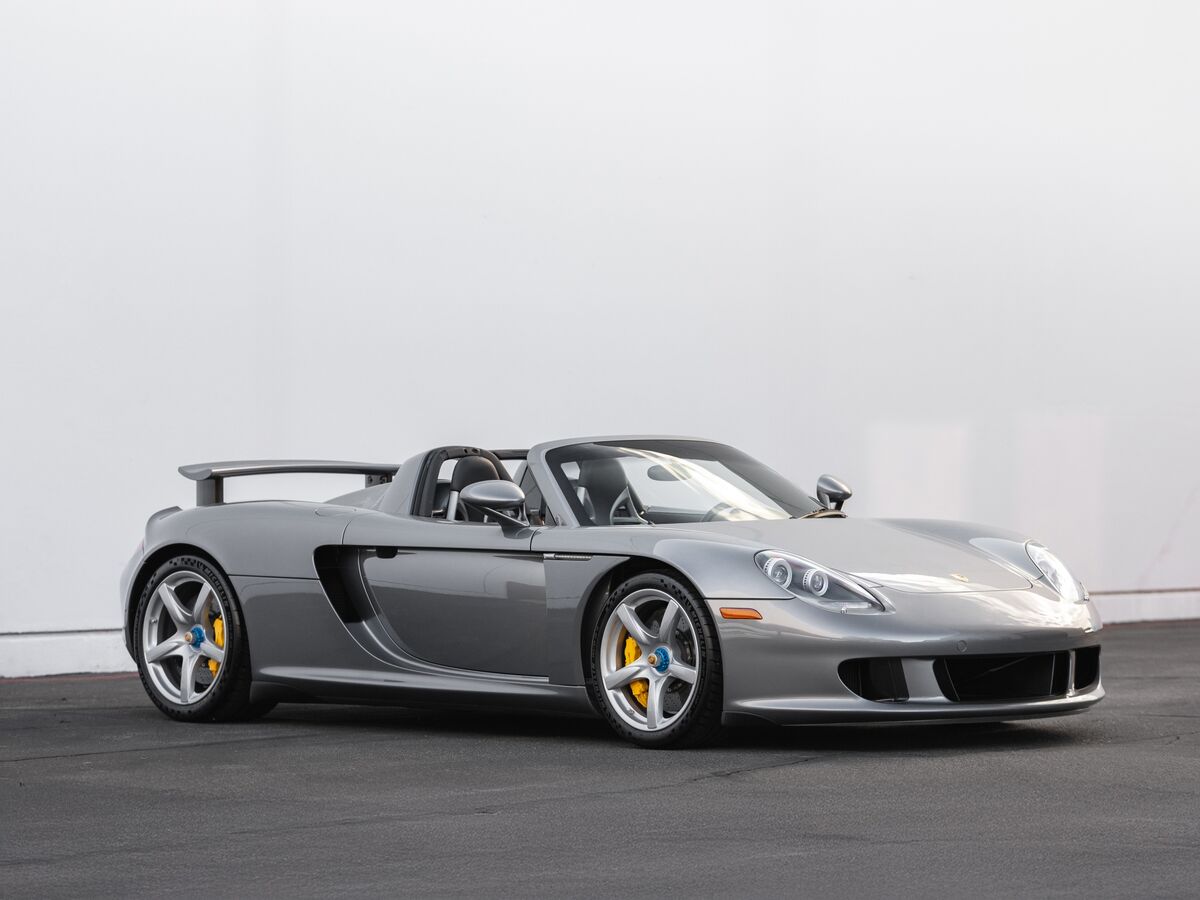
Growth is coming mainly from “modern classics”: post-1990 supercars, Lamborghini, Ferrari, McLaren, Bugatti… and certain very modern Porsches following the trend. Buyers love the radical design, rarity, and the feeling of “owning a piece of an era.”
The market pays a clear premium for: unique spec, low mileage, perfect condition. This is where the money is concentrating.
And there is new blood. A massive share of bidders and buyers at some international sales last year were first-time participants. On the collector car insurance side, a majority of quote requests now come from buyers aged 59 and under. Translation: the average age of the enthusiast is shifting downward.
Why? Nostalgia + purchasing power. People in their forties and fifties can finally afford the cars that populated their posters and music videos: the Ferrari F40s, the icons of the 90s, and the models that embodied success on screen.
But be careful: not everyone is buying for “emotion.” Part of the market has become clinical. People buy for expected appreciation, period. And when stratospheric prices are publicly displayed, the herd effect is immediate: everyone wants “their” example before the next price level.
In this context, the rise of specialized investment funds (portfolios of collector cars) is logical: exposure to the market, without the constraints of ownership. But it’s a different game: you often don’t have the car, you have a ticket on its value.
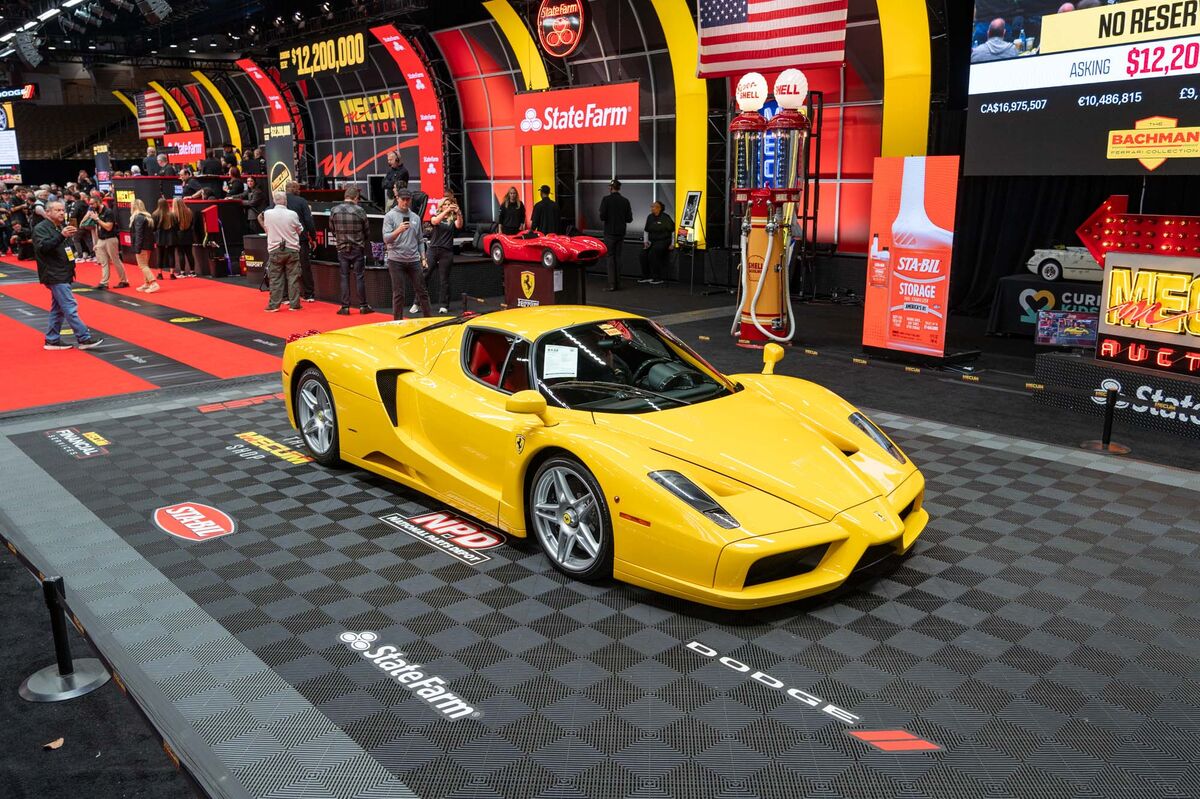
Among “Youngtimers” (20 to 30 years old), mileage has become an obsession. Recent examples: a very low-mileage Ferrari Enzo seen at €8.10 million (≈ $9.6 million converted), and a LaFerrari Aperta around €10.23 million.