Editor’s Note
This article highlights a critical gap in the jewelry industry’s ethical sourcing efforts. While major brands are making progress, the inability to guarantee supply chains free from human rights abuses underscores the need for greater transparency and accountability.
Major jewelry companies are improving their sourcing standards for gold and diamonds, but most cannot assure their consumers that their jewels are not tainted by human rights abuses, Human Rights Watch (HRW) stated in a report released on Tuesday, November 24.
In its report “Sparkling Jewels, Opaque Supply Chains,” the humanitarian organization analyzed 15 jewelry and watch brands regarding their efforts to prevent and address human rights abuses and environmental damage in their gold and diamond supply chains.
Additionally, “the COVID-19 pandemic demands even greater vigilance from jewelry companies to identify and respond to human rights abuses,” Kippenberg stated.
With COVID-19, mine workers have been affected by closures, depriving them of income. Where industrial mining has continued, miners work close to each other in enclosed spaces and sometimes even live together in hostels, putting them at greater risk.
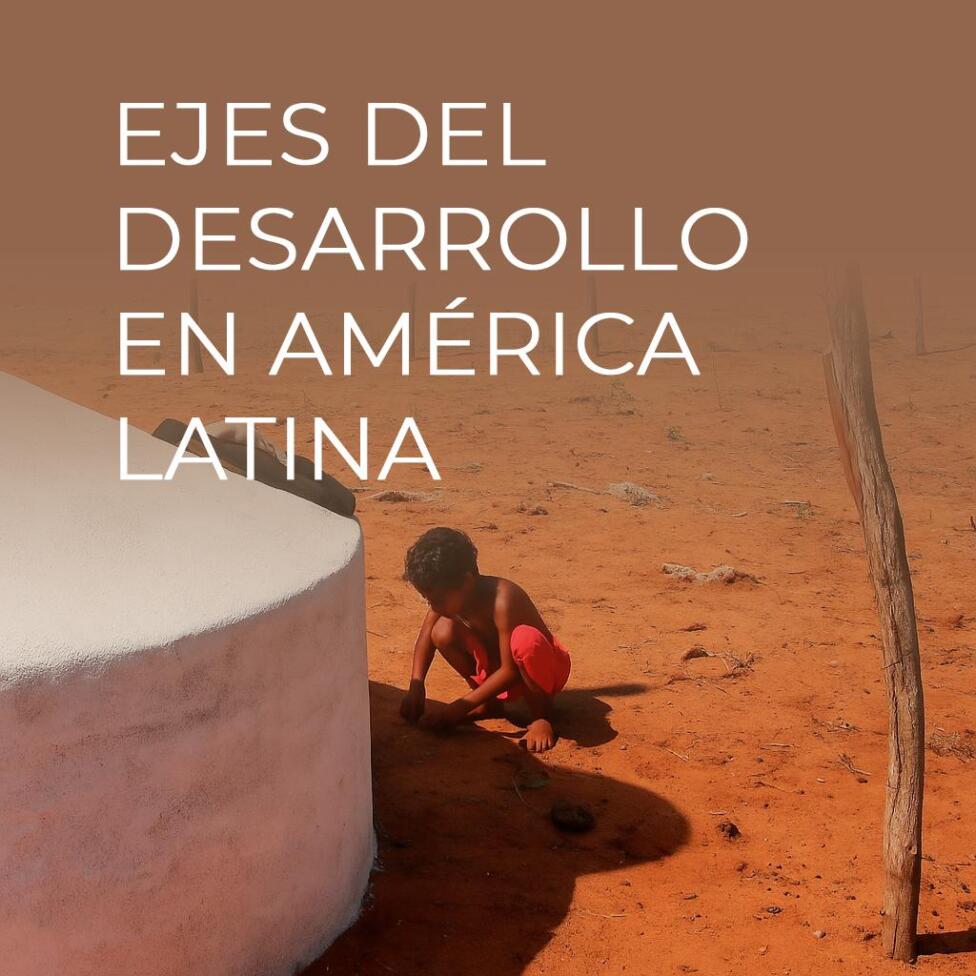
In some small-scale mining areas, child labor and illegal mining and trade have increased.
HRW said that in Venezuela, armed groups known as “unions” control illegal gold mines and have committed horrific abuses against residents and miners, including punitive amputations and torture.
In Zimbabwe, the state-owned Zimbabwe Consolidated Diamond Company has hired private security agents who have mistreated residents accused of diamond extraction, even threatening them with dogs.
Hazardous child labor occurs in small-scale gold mining areas in Ghana, Mali, the Philippines, and Tanzania, as children are exposed to mercury used in the process. Children have died in mining accidents.
HRW recalled that according to the United Nations Guiding Principles on Business and Human Rights, jewelry and watchmaking firms have the responsibility to conduct human rights and environmental due diligence to ensure they do not cause or contribute to abuses.

The report examined 15 major firms with annual sales of $40 billion, representing 15% of the sector: Boodles, Bulgari, Cartier, Chopard, Chow Tai Fook, Cristo, Harry Winston, Kalyan, Mikimoto, Pandora, Rolex, Signet, Tanishq, TBZ, and Tiffany & Co.
Of these, 11 have taken some “due diligence” measures, such as improving the traceability of their gold or diamonds, sourcing only recycled gold to avoid risks related to newly mined gold, or strengthening their codes of conduct for suppliers and selecting them more rigorously.
However, most do not identify the mines of origin for their gold or diamonds, nor do they assess or address conditions in these mines. Few have reassessed their supply chains to detect risks related to COVID-19 or taken steps to protect workers’ rights in those chains.
HRW concluded that none of the 15 could be rated as “excellent,” but it rated two (Tiffany & Co. and Pandora) as “strong” for taking significant steps toward responsible sourcing, three (Bulgari, Signet, and Cartier) as “notable,” and three (Boodles, Chopard, and Harry Winston) as “adequate.”
In turn, Chow Tai Fook, Christ, and Tanishq were classified as “weak,” and four (Kalyan, Mikimoto, Rolex, and TBZ) could not be classified due to a lack of disclosure of their sourcing practices.