Editor’s Note
**Editor’s Note:** This article draws on firsthand sourcing, including a Facebook poll of gem cutters and the couple’s personal travel experiences, to explore the intersection of craft, labor, and the history of American gem cutting.
A few years ago, the couple took a year-long road trip across America, making stops at various lapidary clubs and major jewelry hubs along the way for a project Prim was working on about the history of American gem cutting.
Once a relationship is established, Prim says a jeweler might even start asking their cutter to source material for them at trade shows to bring back and cut to their specifications.
She worked in a jewelry store for a while before making the leap to becoming a full-time, independent gemstone cutter.
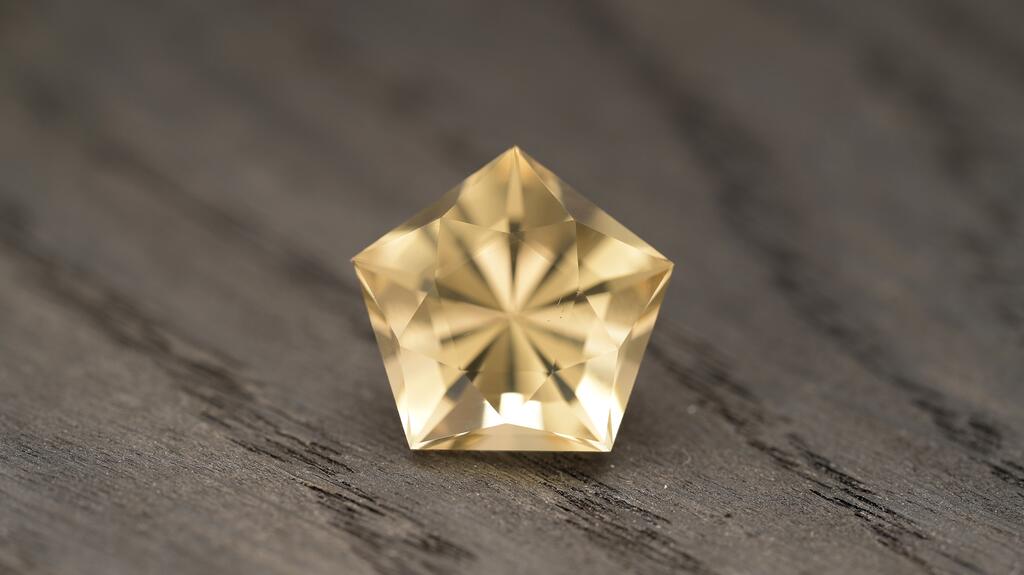
An 18-karat gold ring from Olivia Sugarman Jewelry titled “She Who Dares the Night” set with a 2.37-carat heated sapphire from Dry Cottonwood Creek, Montana, cut by Jenna Sloane, and accented with 1 carat of D-color, VS clarity diamonds and 1 carat of color-enhanced diamonds.
May 14, 2026
The next generation of lapidarists are entrepreneurial, engaged online, and see the craft as a means for artistic expression.
Lauren McLemore
[email protected]
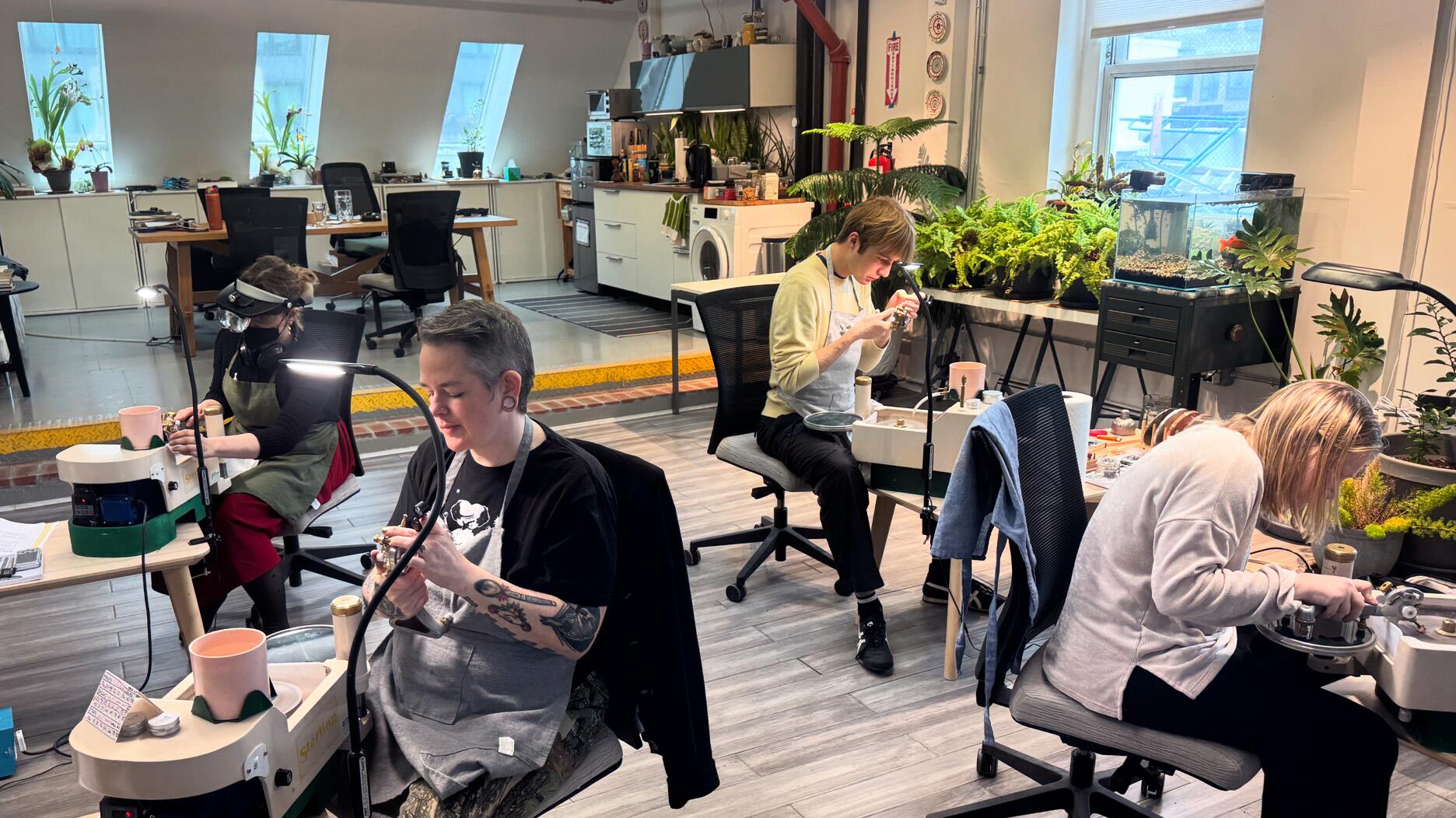
A group of Faceting Apprentice students in Brooklyn, New York; Faceting Apprentice is a gem-cutting school founded in 2019 by lapidarists Justin K. Prim and Victoria Raynaud. For the State of Colored Stones story in the 2026 State of the Majors issue, National Jeweler interviewed young American gemstone cutters about how they are approaching their craft and connecting with other cutters, both online and off.
Editor’s Note: This story first appeared in the print edition of the 2026 State of the Majors.
From its inception, gem cutting in America has been defined by innovation and artistic expression. Those traits are still at the core of the trade today, enriched by the evolution of technology.
Today’s young American lapidarists are largely self-taught, and they look to online platforms to get connected, find resources, and make sales.
For many, it’s a hobby, but for some, it’s their main gig.
In a culture where a commercial workshop setting isn’t appealing, making a full-time career of cutting colored gemstones in the modern industry landscape requires initiative, passion, and strong relationships.
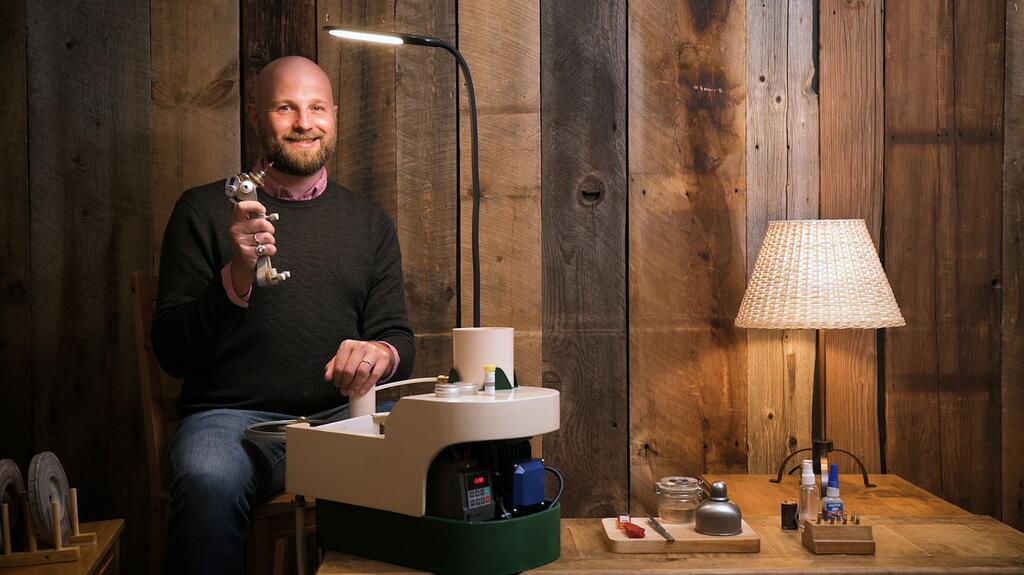
Justin K. Prim is a teacher, gemologist, and lapidarist at Magus Gems, which he runs with his wife, Victoria Raynaud, who is also a gem cutter.
Based in France, they have a gem-cutting school, Faceting Apprentice, where they offer virtual and in-person classes in Lyon, as well as a twice annual two-week class in Brooklyn, New York.
Justin K. Prim is a teacher, gemologist, and lapidarist at Magus Gems. He and his wife are the owners of Faceting Apprentice, a gem-cutting school that offers both online and in-person courses.
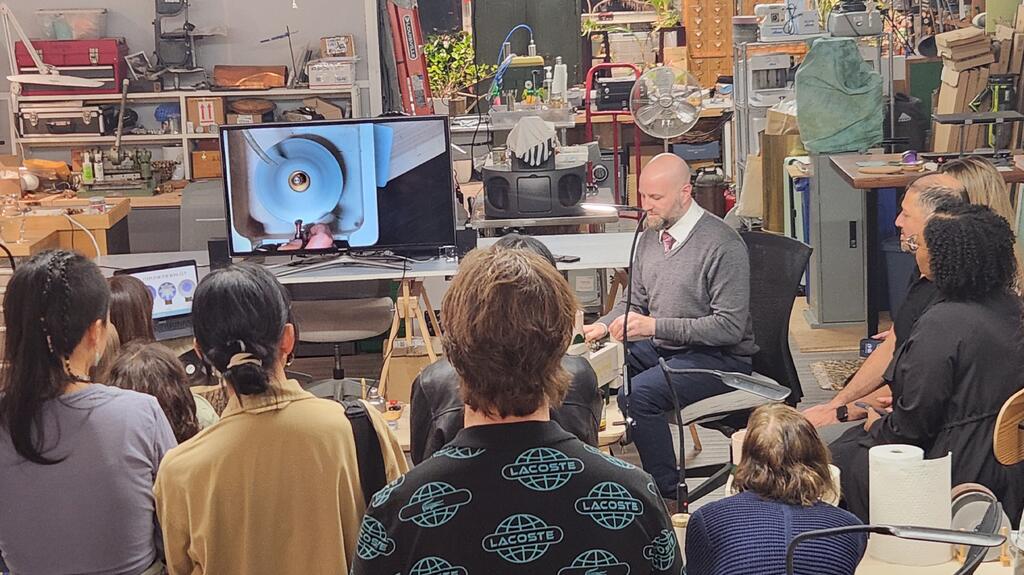
Prim also has a YouTube channel, @JustinKPrim, about gemstone cutting, providing not only instructional content, but also videos about different machines, different cultures, history, and techniques.
Visits to several cutting workshops confirmed what they already knew—there is a shortage of commercial gemstone cutters in America.
Historically, faceting was a trade that required years of meticulous practice to master.
Training was hands-on, and techniques were guarded knowledge. In some cultures, this is still the norm.
In Prim’s next book, which is forthcoming, he writes that America developed its own gemstone cutting industry in isolation, disconnected from the apprenticeship traditions of Europe.