Editor’s Note
Richemont, the world’s third-largest luxury group, is making a strategic entry into Barcelona’s premier shopping avenue, Paseo de Gracia, with the first Spanish boutique for its high-end jeweler Van Cleef & Arpels. This move underscores the continued allure of prime retail locations for luxury conglomerates.
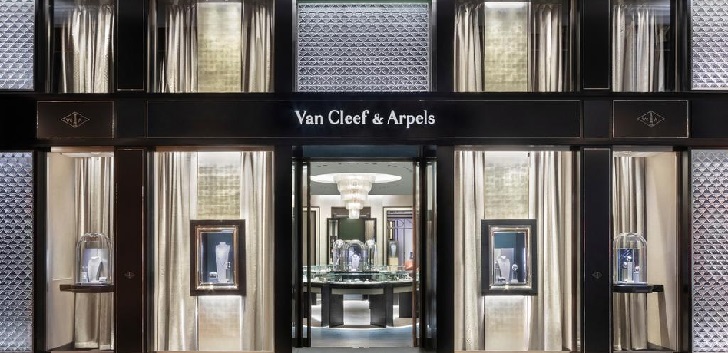
Richemont is joining the ‘Monopoly’ on Paseo de Gracia. The luxury conglomerate, the world’s third-largest by revenue, has chosen the Barcelona avenue for the first opening of Van Cleef & Arpels in the country, according to real estate sources who spoke to Modaes.es.
The firm will take over from Hermès at number 77 Paseo de Gracia, once the French company completes its move, which is planned for this year. Hermès signed the lease for number 81 (previously occupied by Stuart Weitzman) before the pandemic and will renovate and expand the space.
Van Cleef & Arpels entered the Spanish market in 2012 through Rabat, which became one of the brand’s eight exclusive European distributors. This will be its first directly operated store in Spain.
This is not Richemont’s only move on Paseo de Gracia. The company is currently renovating the flagship store of its crown jewel, Cartier, located at number 43. During the renovation, the brand has opened a pop-up store at Casa Batlló. Furthermore, the Swiss group also operates other brands on the avenue, such as Montblanc, which occupies a large corner location at number 99.
Over the last two years, transactions have been frequent on Barcelona’s main luxury axis, which was heavily impacted by the drop in international tourism. Between deals delayed by the pandemic and opportunities arising from the crisis, the flow of movements has been constant.
In the luxury sector, the main players have been Armani, which moved to the former Desigual location; Tiffany, which left the Mandarin Oriental to set up in a 400-square-meter space opposite the Rabat store; and Philippe Plein, which took over the former Brioni location in the luxury hotel.
Major retail and sportswear brands have also been active: Nike opened a flagship store at the end of 2020 through Percassi; Adidas will follow suit this year and will set up in a 2,300-square-meter macro-location in the historic Catalana Occidente headquarters; and H&M is in the process of expanding its flagship store by absorbing the adjacent space, previously occupied by Piquadro.
Van Cleef & Arpels was founded in 1906 and is one of the world’s largest producers and distributors of high jewelry and watches. Richemont acquired a 60% stake in the company in 1999, when Van Cleef had only eight stores. The deal valued the brand at 460 million Swiss francs.
The firm now has a network of 139 stores and has been led by Nicolas Bos since 2013. Like most luxury conglomerates, Richemont does not disclose revenue by brand.
The jewelry division (which also includes Cartier and Buccellati) contributes 57% of the group’s revenue, with earnings of 7.459 billion euros in the last fiscal year, ended March 31, 2021. It is also the only business area that exceeded the revenue of the previous year.
