Editor’s Note
This article explores the strategic positioning of lab-grown diamonds within STAR JEWELRY’s portfolio, highlighting how the company uses its experimental sub-brand, SJX W, to target a specific market segment while preserving the main brand’s traditional identity.
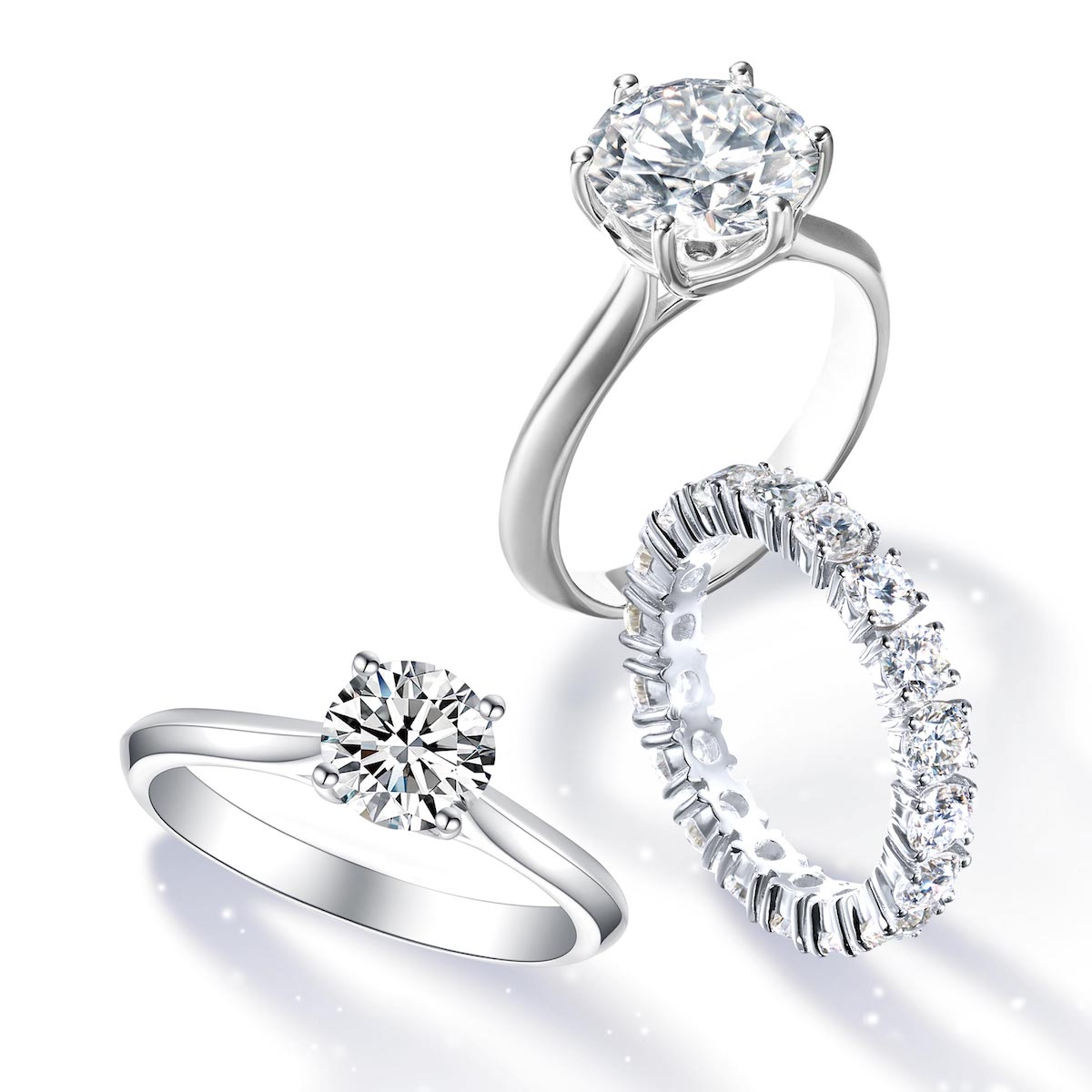
STAR JEWELRY does not offer lab-grown diamond jewelry under its main brand. However, its experimental sub-brand “SJX W,” which launched in 2020, has been proposing lab-grown diamond jewelry from its inception. Derived from the “SJX” brand popular with many athletes and celebrities, SJX W started with the aim of offering genderless design jewelry for “sophisticated adult women to enjoy.” Miho Watanabe, Executive Officer and Head of the Marketing Division at STAR JEWELRY, stated:
There were periods when stable supply of lab-grown diamonds was difficult due to the impact of the COVID-19 pandemic and the war in Ukraine. Now, with technological innovation, an increase in manufacturers, and intensified competition driving down lab-grown diamond prices, Watanabe notes, “Recently, I get the impression that prices have stabilized within expected ranges.” However, she confirms there are no plans to introduce lab-grown diamonds under the core “STAR JEWELRY” brand in the future. She further commented on the market’s direction:
She also pointed out the need for added value when selling lab-grown diamond jewelry:
“NEXT DIAMOND NEW YORK” is a brand based in New York that entered the Japanese market in 2021. It has a permanent shop at Matsuya and holds pop-up events across Japan. Mio Ninomiya, President of NEXT DIAMOND, who is knowledgeable about the US market, shared her insights:
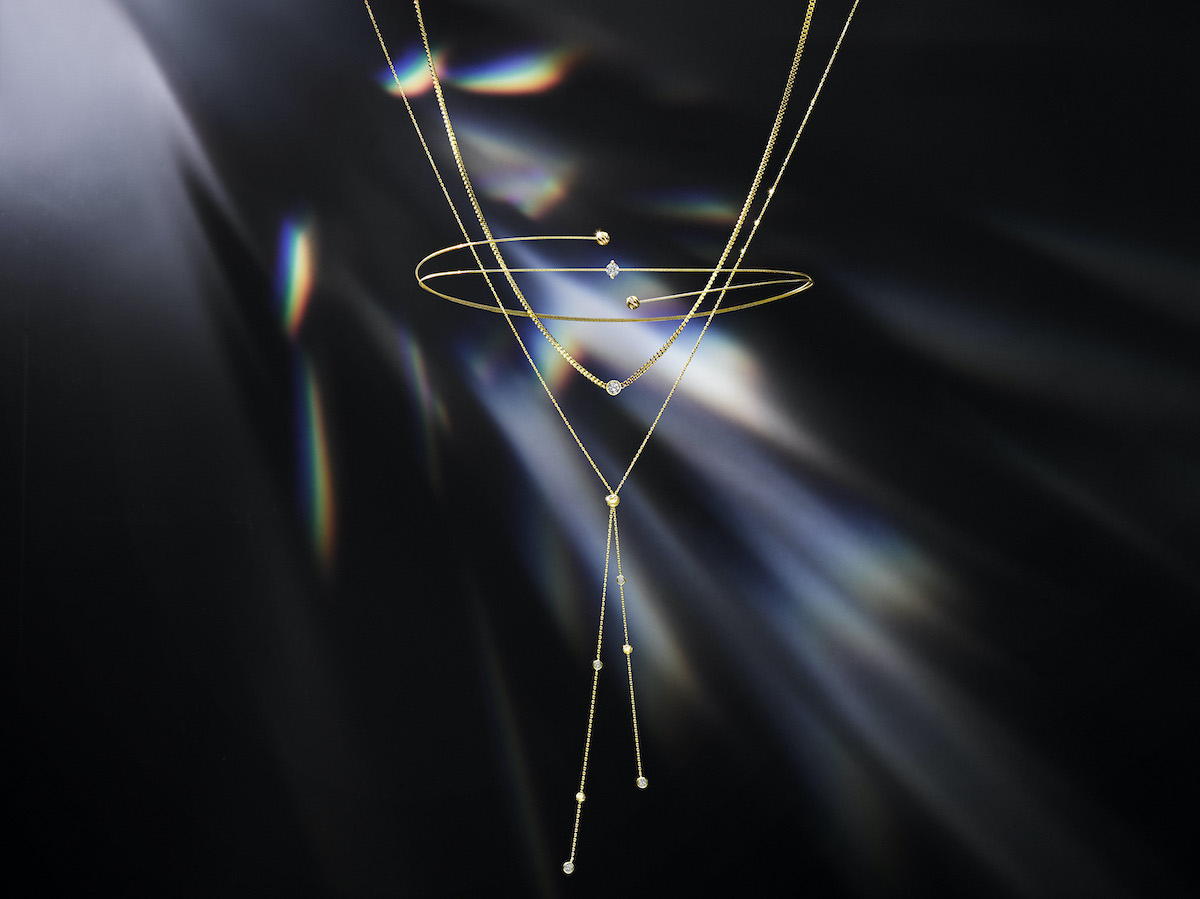
Regarding current challenges in the lab-grown diamond market, President Ninomiya stated:
She noted that recently, many brands are entering the lab-grown diamond market focusing solely on the point that “jewelry can be made cheaply.” This sometimes leads to misunderstandings and troubles due to insufficient knowledge about gems and diamonds. She added:
“NEXT DIAMOND” operates stores within department stores, providing lab-grown diamond jewelry with reliable quality and transparent pricing, earning customer support. She emphasized:
It is expected that more consumers will choose lab-grown diamonds in the future due to ethical perspectives and cost-performance.
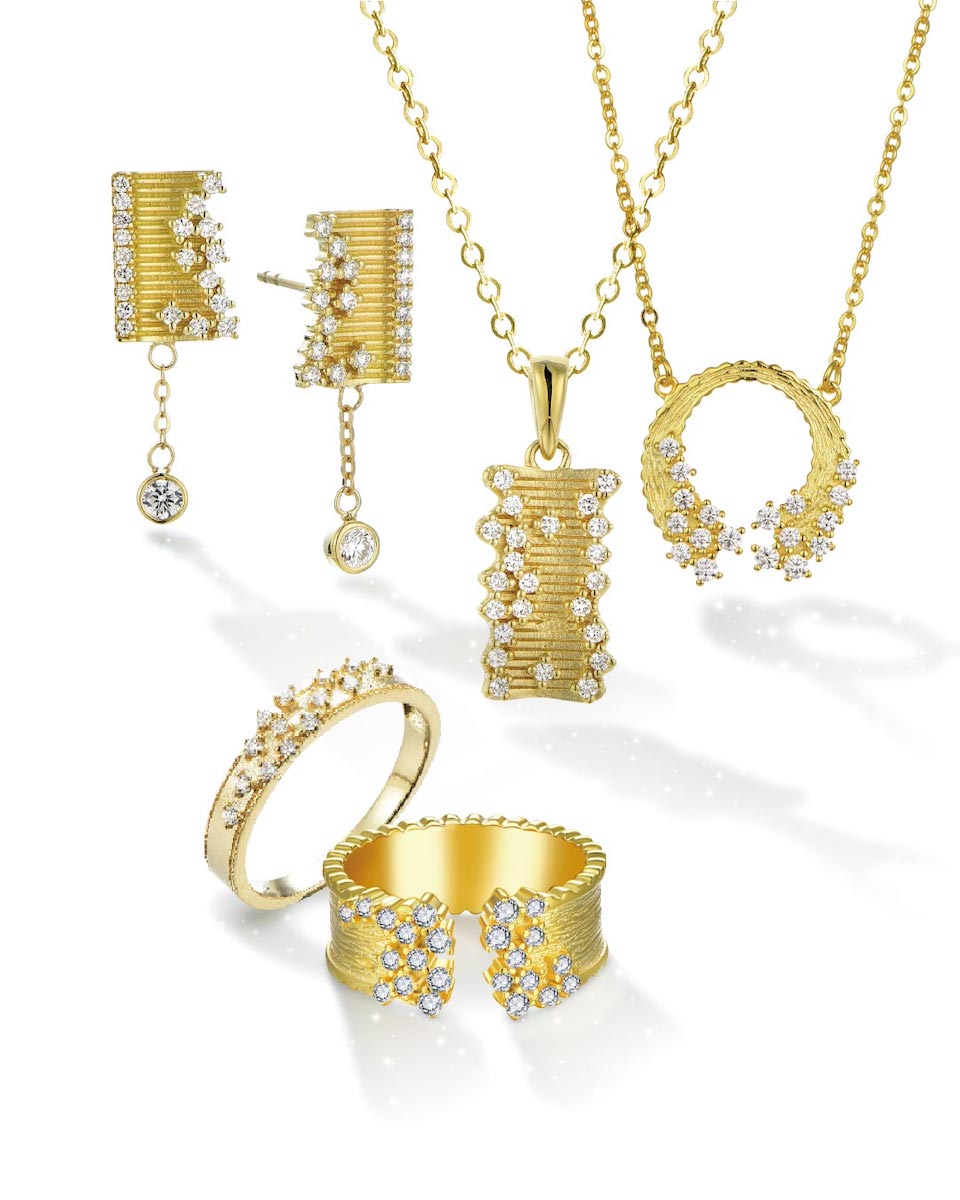
For those who want to enjoy lab-grown diamonds as accessories, design and price will be prioritized. On the other hand, for those choosing them for bridal purposes, solid quality guarantees and a brand story they can empathize with will become necessary. Lab-grown diamonds are spreading not as a substitute for natural diamonds but as a new choice. In the developing Japanese market, both brands and consumers should first have correct knowledge about lab-grown diamonds. Unlike natural diamonds, lab-grown ones are not rare, but their essence is completely the same. If natural diamonds are branded goods, lab-grown diamonds are the non-branded version of the exact same product. Some people might choose the non-branded version. However, for the lab-grown diamond market to grow, the key will be how much added value, such as design and brand story, can be attached to it.