Editor’s Note
This analysis highlights key factors behind the recent drop in gold and silver prices, pointing to constrained real yields and stable inflation expectations as primary drivers.
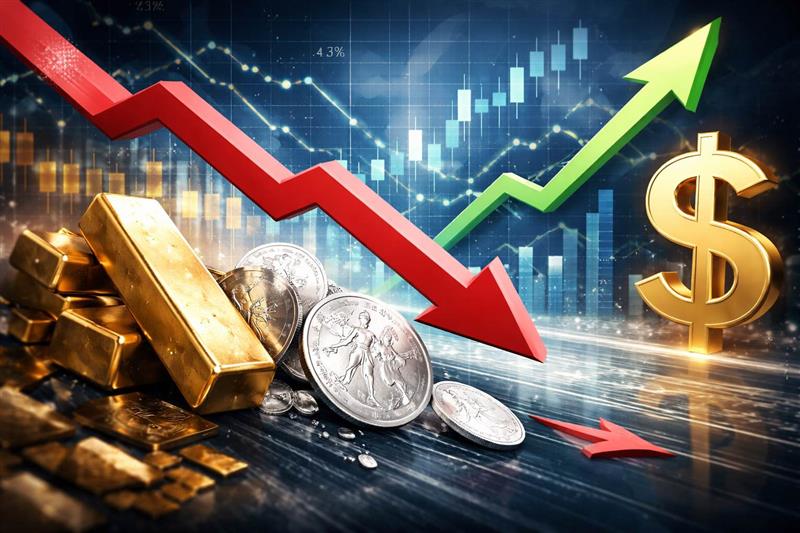
Gold and silver do not generate cash flow. This simple fact is not a weakness under normal circumstances, but when investors can earn high real yields in government bonds, it becomes a constraint on pricing. The clearest way to understand this pressure is to compare nominal yields, real yields, and inflation expectations.
The yield on the 10-year Treasury bond is approximately 4.26%.
The 10-year real yield is approximately 1.90%.
The ten-year breakeven inflation rate is approximately 2.34%.
These levels collectively indicate that the market is not signaling fears of a runaway inflation period. Inflation expectations remain stable in the low-to-mid 2% range. Consequently, the pressure on metals stems from the increased real compensation required to hold long-term investments and for cash. Historically, this type of real interest rate environment is unfavorable for gold and silver, as it expands the range of defensive investments.
This dynamic explains why metal prices often decline even when investor confidence in their long-term future remains. When real yields rise or remain elevated, gold prices typically fall, unless new buyers emerge whose motivation is not primarily financial, such as central banks or retail investors who are less price-sensitive. In the short term, it is usually financial sector players who determine marginal pricing.
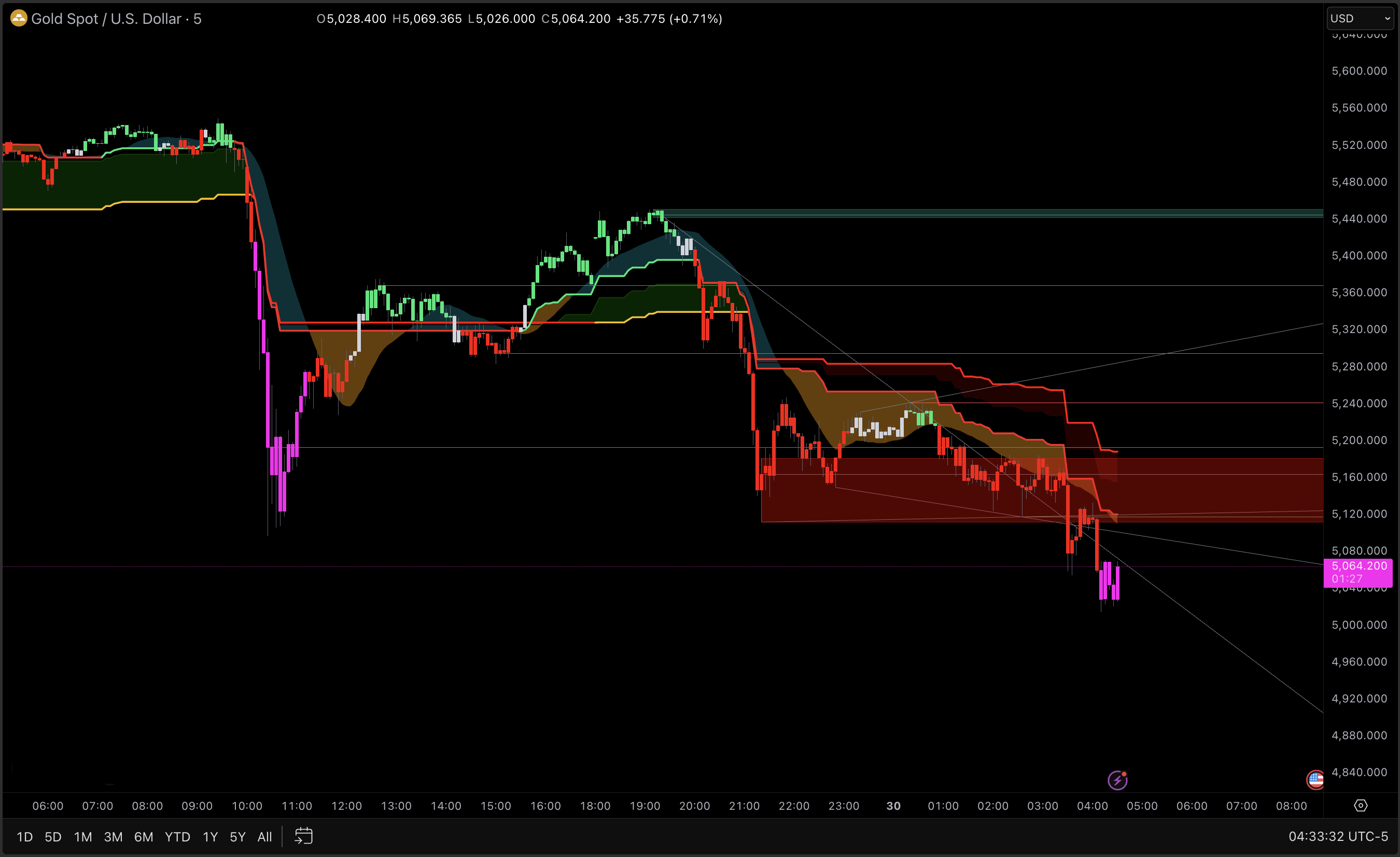
The recent decline in gold and silver prices is primarily due to sharp changes in real interest rates and the value of the US dollar, not a sudden loss of confidence in precious metals. As real returns increase, gold and silver must justify their place in a portfolio relative to higher risk-free returns, a dynamic the market is rapidly implementing. The current decline represents a specific, interest rate-driven correction within a period of structurally higher volatility for metals.
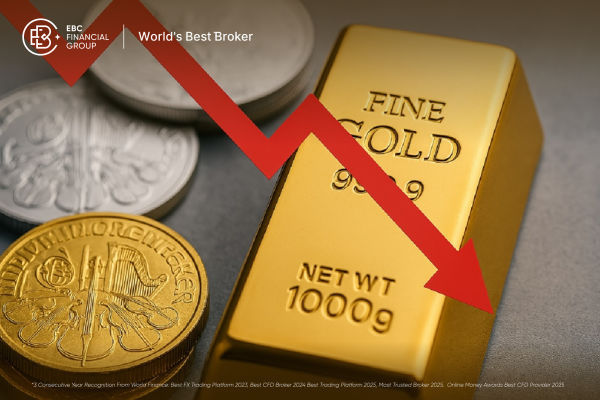
Prices have shown notably uneven fluctuations recently. Silver is exhibiting symptoms similar to leveraged gold, as it plays the dual role of a monetary safe haven and an industrial commodity. In the latest session, gold futures fell by approximately 7.2%, settling around $4,952.36, while silver futures dropped by about 15.55%, falling to around $95.14. This divergence typically signals a shift towards tighter financial conditions and risk reduction, not a complete abandonment of safe-haven investment options.